
The major problem with electric cars is starting to disappear, and Europe wants to take advantage of it before anyone else.
11/10/2026 14:00
Updated to
11/10/2026 14:00
The European automobile market is undergoing one of its biggest changes in recent years in 2026. Electric cars have rapidly gained prominence among new registrations, and at the same time, the available options have expanded into price segments that previously had much weaker representation.
From January to August, 1,641,333 fully electric passenger cars were registered in the European Union, accounting for 21.7% of total registrations, up from 15.8% during the same period in 2025. Meanwhile, gasoline and diesel vehicles together saw their share drop to 29%, while hybrids maintained their lead with 36.6% of the market.
Europe Maintains Control Despite Growth of Chinese Brands
A significant part of this progress comes from the sharp increase in available models. Nearly 40 electric vehicles were launched in the first six months of 2026, with another 20 set to be introduced in the second half of the year, bringing the annual launch count to around 60—almost four times higher than the average recorded between 2021 and 2025. The European catalog now features over 150 alternatives.
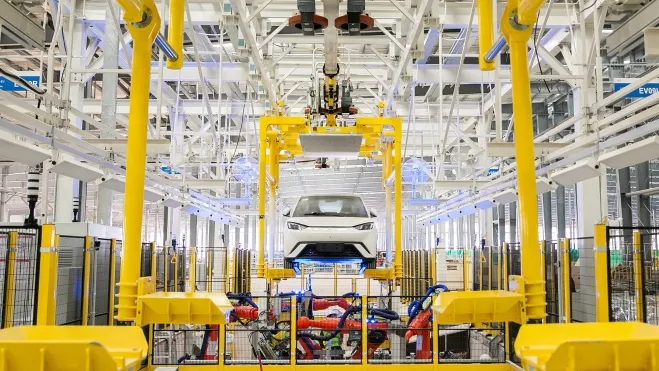
European manufacturers continue to hold the greatest influence in this market segment. Their vehicles account for nearly 60% of all available electric cars, and they introduced 16 new models in the first half of the year. Chinese manufacturers added another 11 models, accounting for around 21% of the total catalog, despite the strong growth of their brands in various European markets.
The most significant changes are starting to occur below 25,000 euros
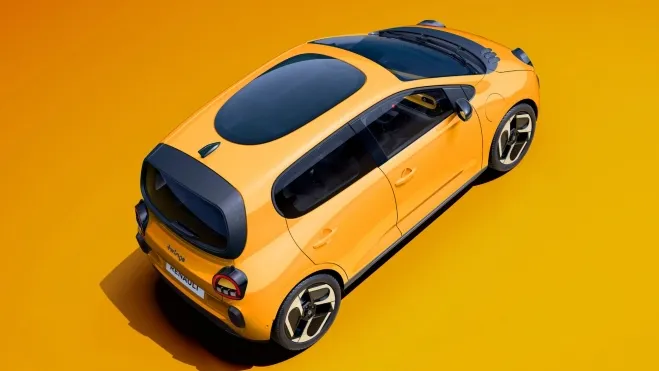
The expansion of the catalog is also reaching one of the segments that have so far most limited the growth of electric vehicles: entry-level models. By the end of 2026, there will be 16 electric vehicles with a starting price below 25,000 euros, double the number from a year earlier, and four of them will cost even less than 20,000 euros. Transport & Environment estimates that sales of vehicles in this price range will be seven times higher than those in 2024.
Among the proposals expanding this category are models developed by Volkswagen Group, as well as those from Renault, Dacia, or Stellantis. The next phase is expected to arrive around 2028, when about a dozen electric vehicles should already be available at prices equal to or below 20,000 euros, with alternatives near 15,000 euros beginning to appear.
The electric car industry is advancing, though Europe still moves at different speeds
Growth is also not uniform across member states. During the second quarter of 2026, 19 out of the 27 European Union countries reached their highest quarterly share of electric vehicles to date, and for the first time, these vehicles slightly surpassed purely gasoline-powered cars over an entire quarter across the EU as a whole.
National differences remain very significant, however, and depend on factors such as government subsidies, disposable income, or charging infrastructure. As a result, the electric vehicle market is rapidly expanding with an increasing range of options, but hybrids still remain the most widely registered technology, and existing fleets are still largely dominated by internal combustion engines.