
The 'elephant in the room' of electric cars worldwide is growing: if no solution is found, it will be impossible to resolve.
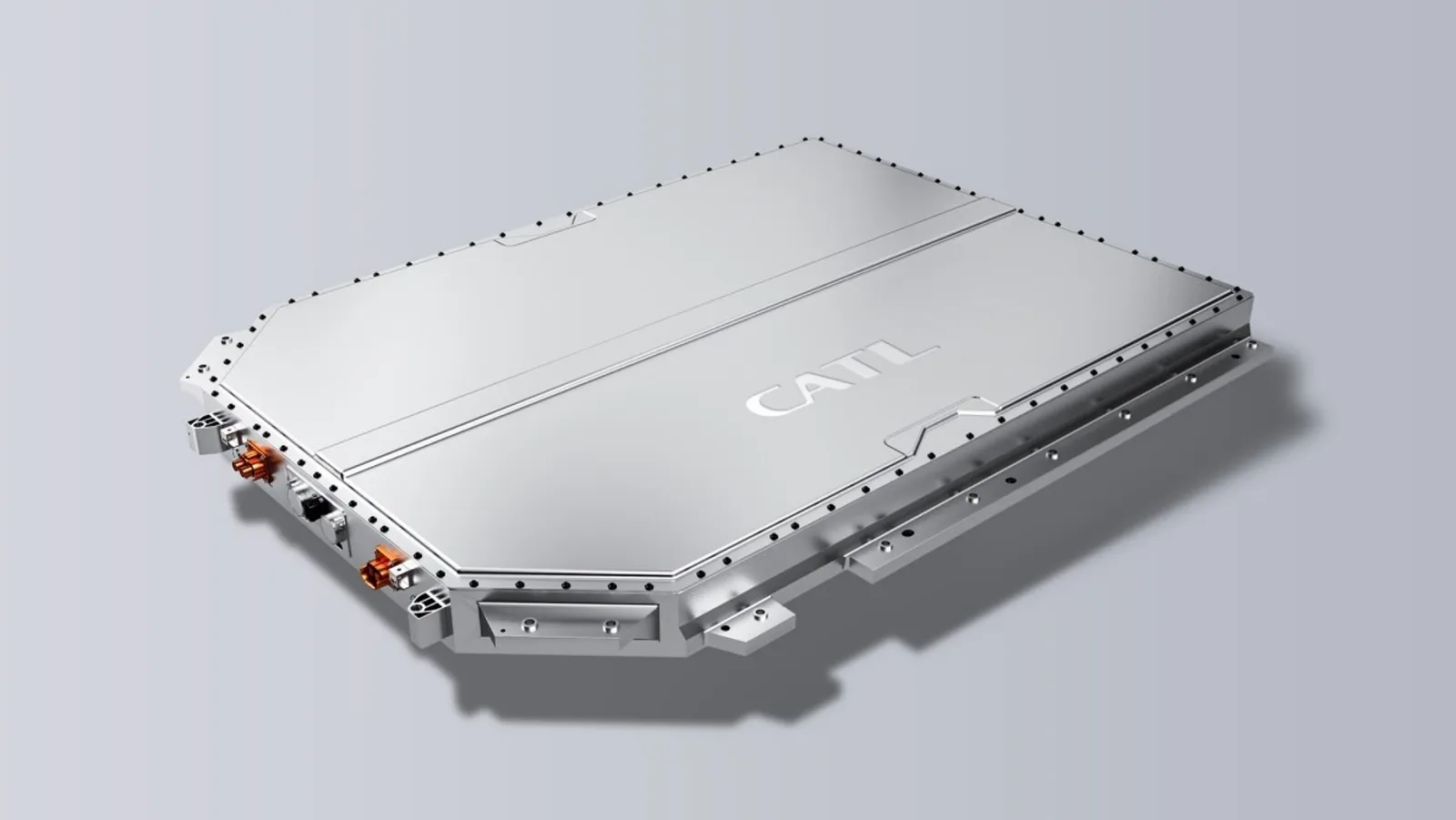
The race to dominate electric vehicles is not being decided solely in automobile factories. The battery, one of the most expensive and strategic components of any electric vehicle, is increasingly concentrated in the hands of Chinese manufacturers, to the point that its share of the global market has grown strongly again in 2026.
Data collected by SNE Research from January to August shows that seven Chinese companies are now among the top ten suppliers in the world, accounting together for 73.3% of the market—3.6 percentage points higher than a year ago. The gap is even more pronounced at the top of the rankings, where CATL and BYD alone account for more than half of all batteries installed in electric vehicles.
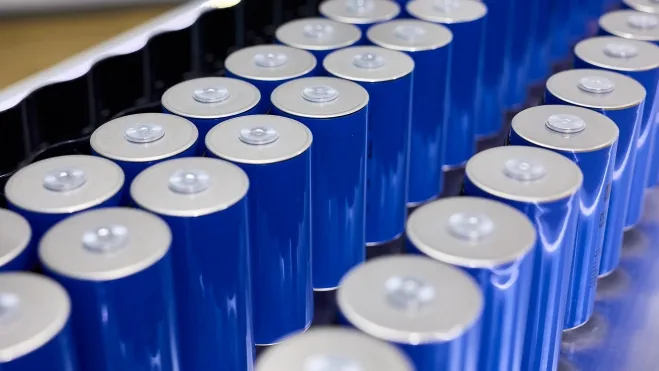
Two manufacturers account for over half of the market
The global market saw approximately 844.2 GWh of capacity traded from January to August, a 19.7% increase compared to the same period in 2025, including batteries used in electric vehicles, plug-in hybrids, and conventional hybrids. The growth rate remains high, though August saw an annual increase of 14.3%, lower than the growth recorded in July.
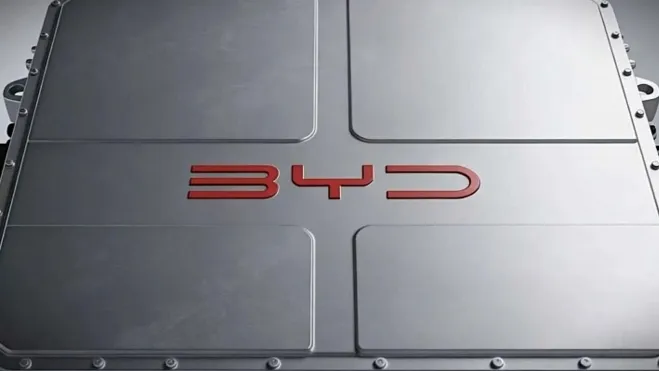
CATL remains far ahead of the rest with 333 GWh installed and a 39.4% market share, after increasing its capacity by 25.2% in just one year. BYD holds second place with 127.9 GWh and a 15.1% share, meaning the two companies together account for 54.6% of global demand, although BYD has lost ground from the 17.1% it held during the same period in 2025.
China’s growth extends far beyond CATL and BYD
The main difference from other markets is that China does not rely solely on its two largest manufacturers. CALB has reached 44.4 GWh with a 32.6% growth rate, Gotion High-tech has reached 41.5 GWh after growing by 47.1%, and Eve Energy is at 29.5 GWh with a 53.9% increase, while Svolt has reached 22 GWh and continues to expand its international presence.
The strongest growth among the top 10 is seen in Rept Battero, which has nearly doubled its capacity in one year to reach 20.3 GWh, raising its global share to 2.4%. The combined performance of these companies explains why the share of the seven Chinese manufacturers in the top ten increased from 69.7% to 73.3% in just twelve months.
South Korea and Japan lose market share while China accelerates
Outside of China, the situation is much less favorable. LG Energy Solution remains in third place with 68.3 GWh, but its share drops from 9.6% to 8.1% despite a slight increase, while Panasonic produces 29.7 GWh and sees its share fall from 4.1% to 3.5%; SK On is the only company in the top 10 that experiences a direct decline in volume, with an annual drop of 14.5%.
This trend results in a market that becomes increasingly concentrated around the Chinese industry, due to both the scale of CATL and BYD and the progress of their competitors. While the seven Chinese companies in the top 10 account for 73.3%, the three South Korean manufacturers included in the ranking have reduced their combined share to 12.7%, a gap that reflects how much wider the divide between the two groups has become over the past year.