
Renault’s CEO, François Provost, after spending 889,000,000 €: “We arrived a bit late.”
The European automobile market is facing significant pressure, which is prompting many manufacturers to pay closer attention to markets outside the continent. Brazil is one such market: several brands, especially Chinese ones including BYD, have been investing heavily there for years to launch new models, particularly electric ones. For the Renault Group, this raises a direct question: how to achieve growth and electrification beyond its home market of France.
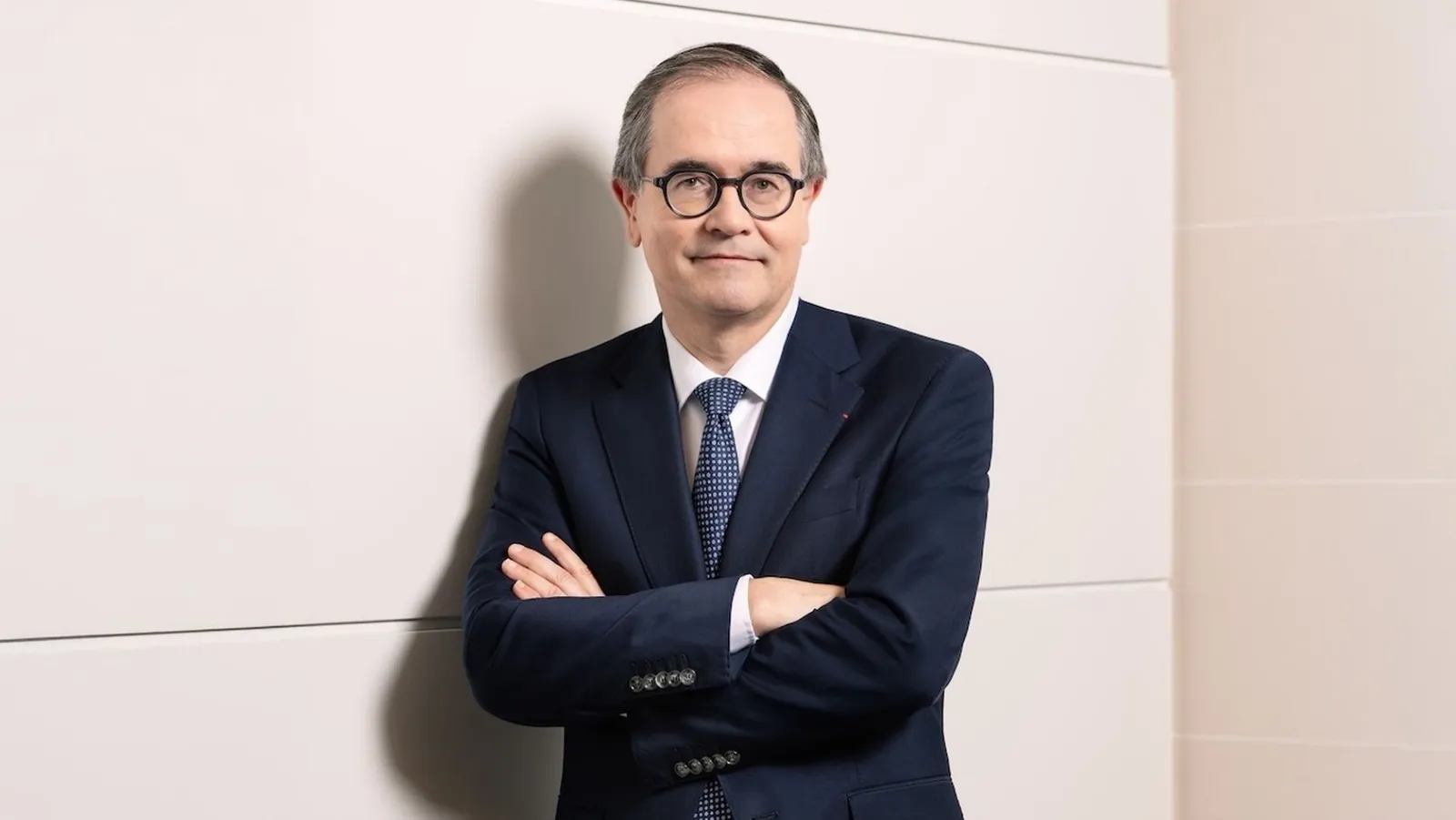
The responses were given by François Provost, CEO of the Renault Group. The group has been collaborating with Chinese manufacturer Geely since last year and operates a joint plant in Curitiba, where in addition to its own products, the Geely EX2 and EX5 models are also manufactured. According to Provost, Renault has been active in South America since the late 1950s and operates the Curitiba facility since 1998, achieving results that the brand considers successful. Recently, Geely and Renault expanded their partnership with a contract worth 889 million euros.
Local production as a condition for competition
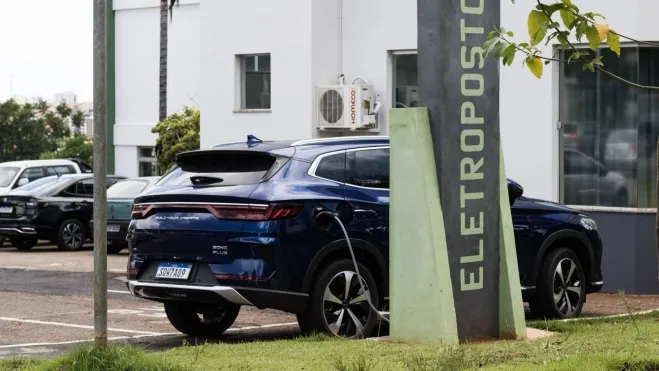
To remain competitive in international markets, Provost believes cars should be developed and manufactured as locally as possible. That’s why Renault is now expanding its partnership with Geely: an additional 319 million euros will be invested by 2027, raising the total investment in Renault Geely do Brasil to 899 million euros.
Provost doesn’t hide that this expansion comes later than that of other manufacturers. He admits it bluntly: “We arrived a bit late, that’s true.” According to him, the group first had to sort out matters in Europe before it could focus on other markets like Brazil. This region, like Europe, is filled with Chinese competitors who are challenging the traditional status quo of the market.
A regulatory pressure affecting the entire sector
Asked about Brazil’s significance compared to Europe, Provost pointed out the immense pressure facing the European automobile market—a problem that affects not only France and Renault but virtually all countries and brands on the continent. According to his analysis, European regulations over the past few years have made cars excessively expensive. Therefore, he advocates freezing these regulations for ten years; otherwise, he warns, cars will become even more costly for consumers. The costs, he insists, must come down collectively.
Hybrids are fine, but no “fake” microhybrids

To date, Renault has focused its electric models, such as the Renault 4, Renault 5, and Megane E-Tech, on the European market. Provost also notes a clear trend toward electrification in South America, though he adds that the electric motor is just one of the options available. In a country like Brazil, with its ethanol engines, hybrid technology also comes into play, which Renault will indeed offer. However, he draws a clear line on one point: “pure microhybrids are a deception,” and such systems will not be provided.
According to Provost, the local market adapts quickly, especially in terms of electric vehicles, and cooperation with Geely plays a key role here by enabling Renault to enter the electric vehicle market much faster. By 2030, the group has set a goal to achieve half of its sales outside Europe and increase the share of electric and hybrid vehicles in those markets to 50%. The CEO emphasized that markets like Brazil should not be underestimated, as 40% of growth outside China’s central regions, the United States, and Europe comes from India.
Open to new partnerships, but with region-specific considerations
Regarding potential new collaborations, including ties with Nissan and Mitsubishi, Provost is initially open to the idea. Outside Europe, he explains, Renault is more flexible when considering such agreements; in Europe, however, the group prefers to keep technology under its own control. He also does not expect to sign many alliances outside the continent, only those that “truly add value.”
Provost finds support in the futuREady strategic plan, whose strong results in the first half of the year demonstrate, according to him, that it is “more than just a strategic plan”: it is becoming a completely new way of working for Renault Group. As a growth-oriented plan, futuREady already delivers tangible results, such as a 10% increase in revenue, which Provost attributes to the strong product momentum brought about by the plan.