
The CEO of Volkswagen Group speaks clearly about the crisis in the European auto industry: "This business model is under enormous pressure.
13/10/2026 17:30
Updated to
13/10/2026 17:30
The European automotive industry is facing one of its most challenging periods in decades. Pressure from Chinese manufacturers, the costs associated with transitioning to electric vehicles, and the need to offer increasingly affordable cars are forcing major companies to reconsider their strategies.
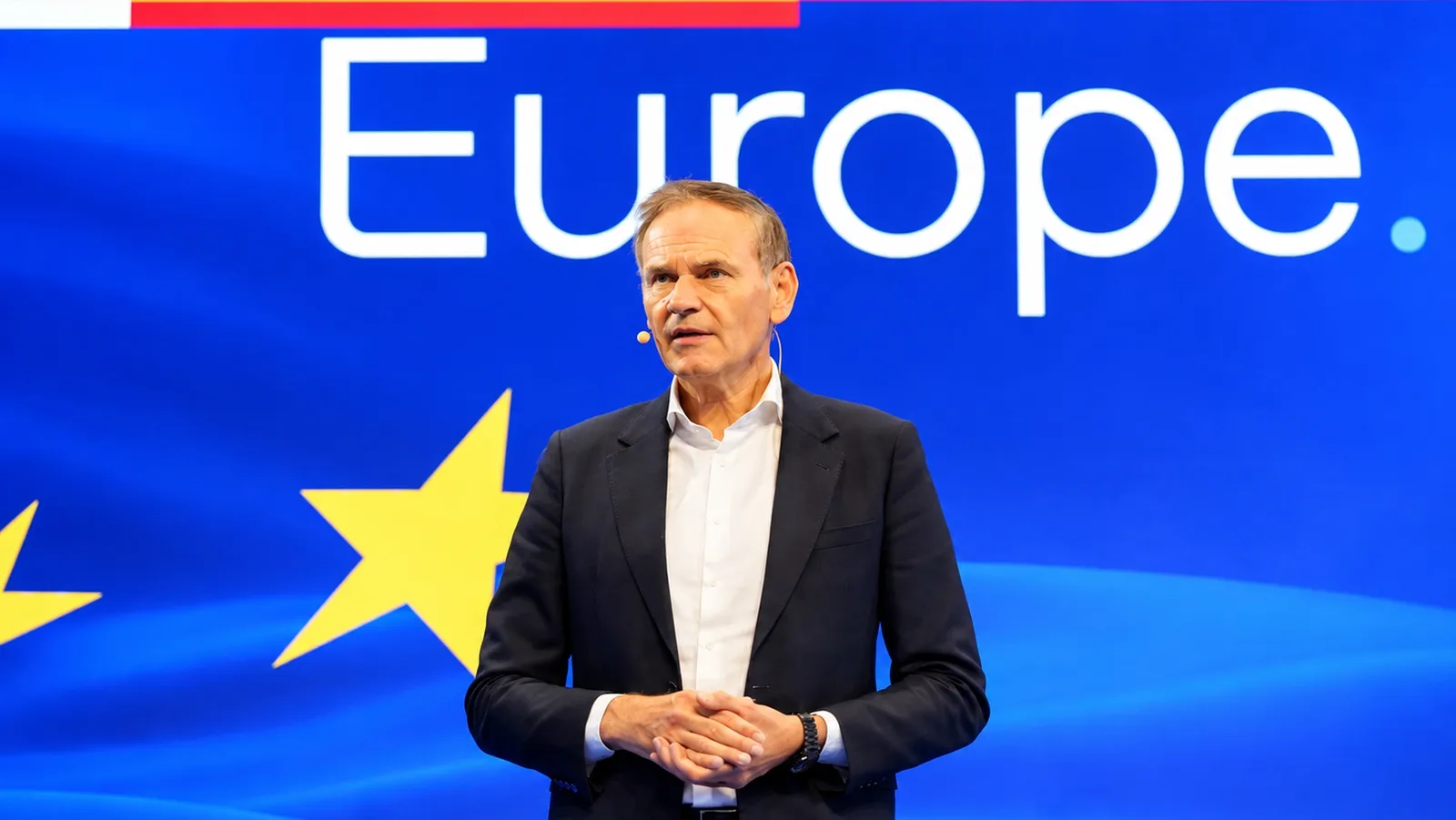
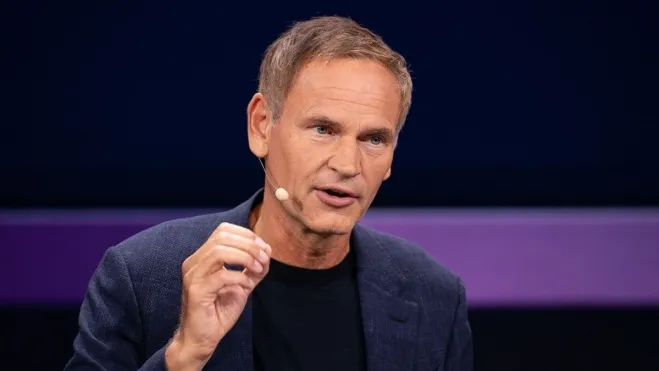
Oliver Blume, CEO of Volkswagen Group, spoke openly about this situation during his address at the Paris Automotive Summit held on Tuesday as part of the Paris Motor Show. His assessment is particularly significant given Volkswagen’s substantial influence in the European industry.
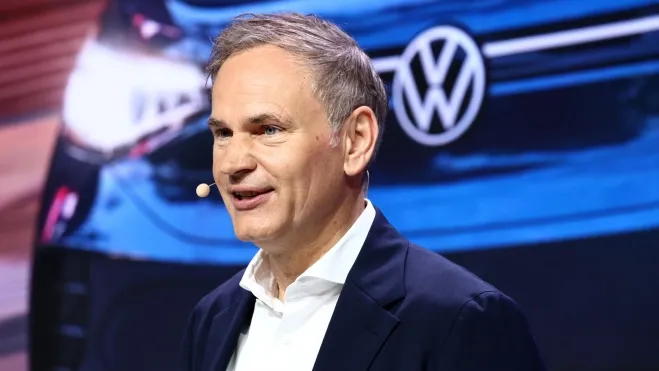
According to Reuters, the original source of these statements, Blume believes that the business models of European generalist automakers are under “enormous pressure” due to increasing competition from China and the rapid changes taking place in the market.
Volkswagen, Stellantis and Renault at the center of the pressure
Blume focused particularly on Volkswagen, Stellantis, and Renault. These three groups together account for over 60% of automobile production in Europe, so their difficulties have consequences that extend far beyond the individual performance of each manufacturer.
The problem is that all of them need to launch more affordable electric cars while trying to keep costs under control and protect their profit margins. This is an especially complicated equation for mass-market manufacturers, which traditionally operate with lower profitability than premium brands.
Add to this pressure the rapid growth of Chinese manufacturers. Their presence has reached record levels at this year’s Paris Motor Show, turning the event into a demonstration of these companies’ growing interest in gaining ground in the European market.
The concern is not limited solely to the price of imported cars. Manufacturers such as BYD, XPeng, and Leapmotor are also advancing their plans for European production, a strategy that could help them bypass some trade barriers while expanding their local presence.
Blume calls for more support for European manufacturing
The CEO of Volkswagen Group believes Europe needs conditions that allow its manufacturers to compete on equal terms. Therefore, he advocates for more flexible regulations and greater incentives specifically aimed at manufacturing within the continent.
Blume has previously defended the “Made in Europe” principle in Paris, a proposal that seeks to tie certain government subsidies and incentives to ensuring that a significant portion of production and added value is generated within the continent.
The executive believes companies that want to sell in Europe should do so under comparable conditions and also contribute to creating jobs and industrial activity in the region. The goal is to prevent the transition to electric vehicles from weakening one of Europe’s key industries.
Blume also warned that the sector cannot continue relying on exports generating profits to fund its transformation indefinitely. The shift in balance in China and the growth of its automakers have altered a model that was particularly profitable for major German conglomerates for years.
Volkswagen faces its own transformation
Blume’s remarks come as Volkswagen undertakes a major restructuring effort to cut costs and regain competitiveness. The group is reviewing its production capacity, simplifying its product lineup, and working to accelerate the development of new electric vehicles.
China is one of the main drivers behind this change. Volkswagen’s profits in that market have declined significantly over the past decade, while local manufacturers have gained ground, especially thanks to the growth of electric vehicles and much faster development cycles.
The German automaker is trying to leverage some of that knowledge through its partnerships in China. Volkswagen works with XPeng to accelerate technological development, while Stellantis is pursuing a similar strategy with manufacturers like Leapmotor.
The challenge for Volkswagen and other European automakers now is to apply that transformation to sufficiently affordable electric cars without further compromising their profitability. For Blume, achieving this will require changes within the companies themselves, as well as a European industrial framework to support that transition.