
Stellantis CEO Antonio Filosa says the deal with China is positive and he wants to replicate it in more European plants.
14/10/2026 11:00
Updated to
14/10/2026 11:00
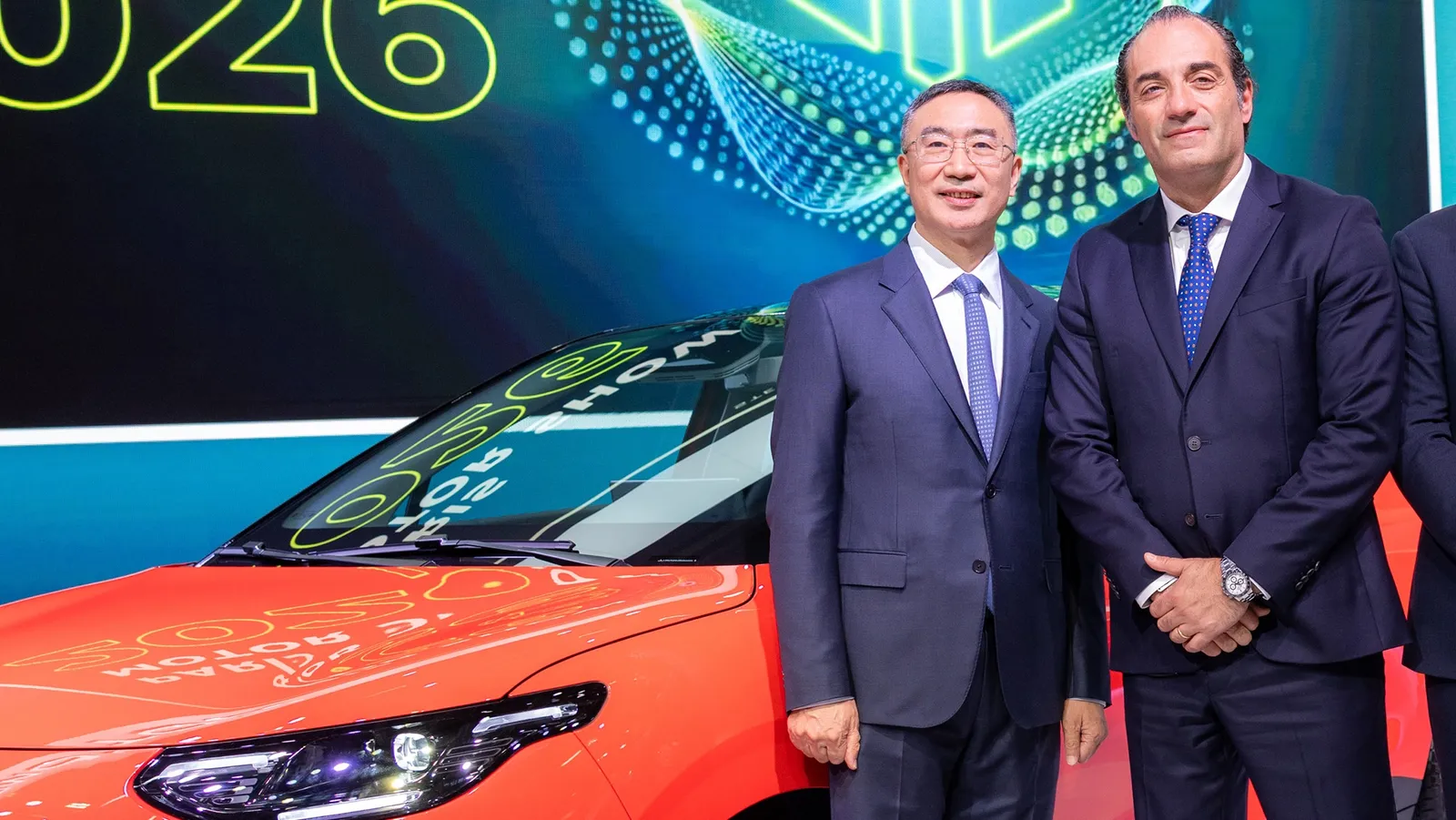
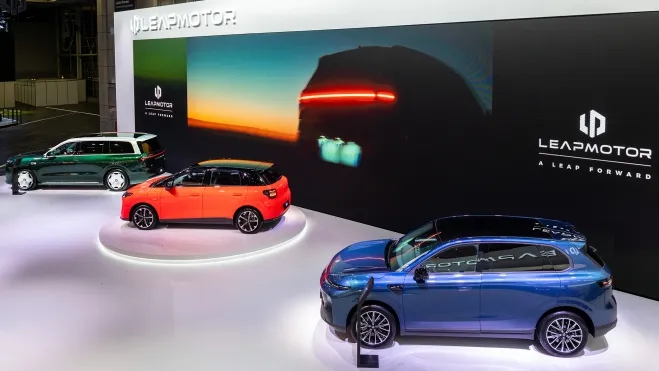
Stellantis is considering expanding the collaboration model it already has with Leapmotor in Zaragoza to other European plants. Its CEO, Antonio Filosa, believes partnerships with Chinese manufacturers can help the group gain competitiveness by combining Asian technology and electrification capabilities with European industrial capacity. The first major step will be at Figueruelas, where Stellantis plans to produce an Opel electric SUV using Leapmotor’s technology by 2028. Filosa has also confirmed Leapmotor’s production in Villaverde and assured the continuation of the K9 van in Vigo.
The strategy represents an interesting shift from the more defensive approach Europe has taken so far in dealing with the arrival of Chinese manufacturers. Rather than merely competing against them from outside, Stellantis aims to integrate some of their technology into its own European factories.
Filosa explained at the Paris Motor Show that this model could be expanded beyond Zaragoza.

Zaragoza Might Be Just the Beginning
The Figueruelas plant is preparing to produce a new 100% electric Opel SUV in 2028 using technology from Leapmotor.
For Stellantis, this type of collaboration allows it to combine two different strengths: on one hand, the technological advancement and expertise in electrification from Chinese manufacturers; on the other hand, the factories, distribution networks, and industrial knowledge accumulated in Europe.
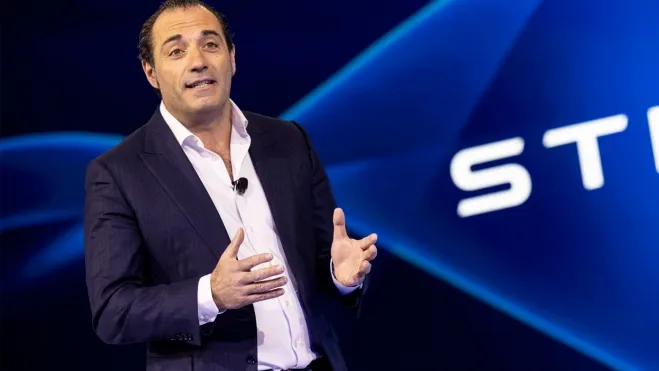
Filosa explicitly left the door open to repeating this approach: “We don’t want to close plants; instead, we are looking for good partners with whom to form alliances and grow, with whom to share our logistics capabilities and knowledge, as in Zaragoza with Leapmotor, and perhaps at other plants as well.”
The group also aims to maintain at least a 51% stake in the joint ventures it develops.
Villaverde Will Also Have Leapmotor Production
Spain could thus become one of Europe’s key laboratories for this strategy. Filosa confirmed that the Villaverde plant in Madrid will undertake Leapmotor-related production, a decision Stellantis had previously announced and which, according to the executive, ensures industrial continuity for the facility.
This message is significant because the group insists its goal is not to further reduce its European production network but rather to find projects that can fill factories currently operating at capacity below full utilization.
Vigo Keeps the K9 Production
The third Spanish factory has also received a signal of continuity. Stellantis will maintain K9 van production in Vigo, although some of its manufacturing will shift to Turkey starting in 2027.
The division will be geographical: units produced in Vigo will remain primarily destined for the European market, while the Turkish plant will supply other regions.
China shifts from rival to industrial partner
This move reflects how significantly the relationship between European and Chinese industries is changing. Filosa acknowledges that competition from China has “shaken” the European sector, especially in technology and electrification, but Stellantis seems determined to turn some of that pressure into an industrial opportunity.
The logic is clear: if Chinese brands have competitive technology and Europe retains factories, suppliers, and production expertise, collaboration can become another way to maintain activity and employment on the continent.
That’s why Zaragoza could end up being more than just an isolated project. If the model works, Stellantis is already considering replicating it at other European plants.