
90% fewer emissions: ships that can switch fuels
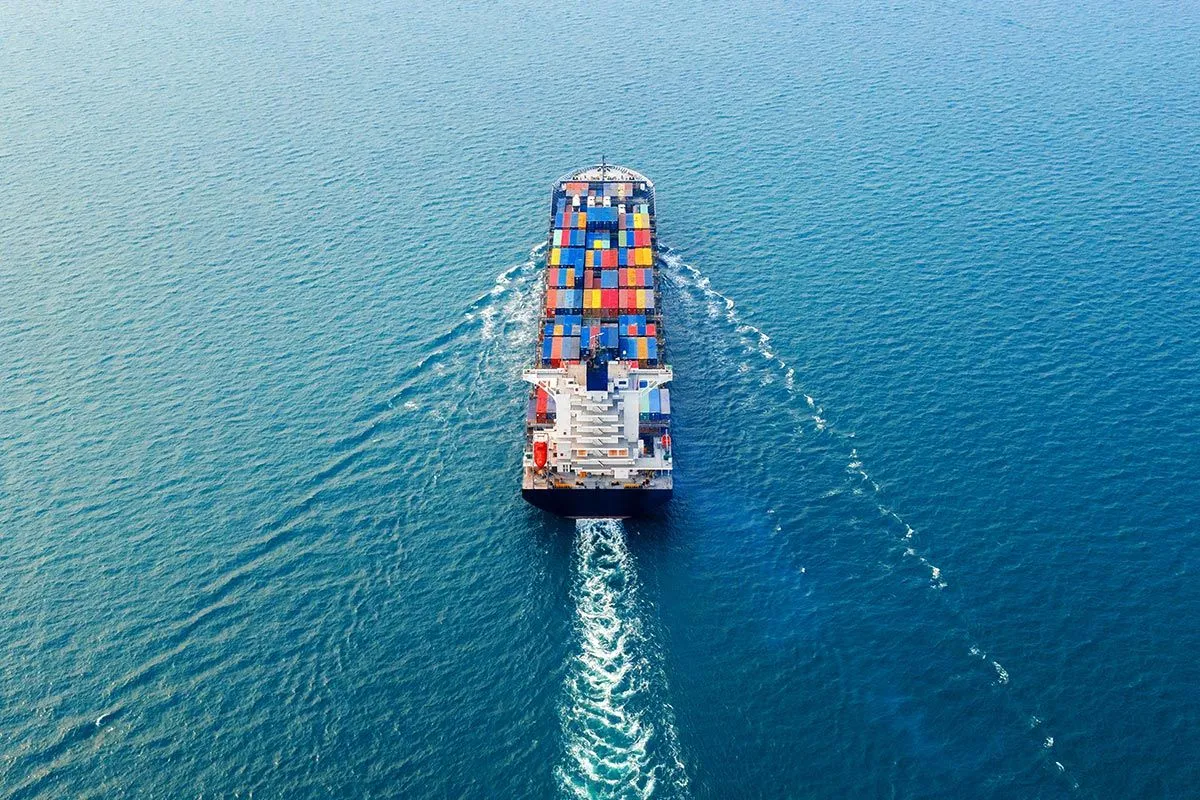
Maritime transportation is facing one of its greatest challenges in the coming decades. Large ships require enormous amounts of energy to travel thousands of kilometers, and at the same time, companies are seeking to reduce emissions that have so far been closely linked to the use of heavy fuels. The problem is that replacing them outright is not simple, especially when it comes to international routes and ships that remain in service for decades.
That’s why some of the most interesting solutions do not necessarily involve choosing a single fuel from the start. This is precisely the approach adopted by Mitsui O.S.K. Lines (MOL) and Vale with a project that will enable the deployment of a new generation of giants capable of adapting to changing conditions.
The agreement covers the construction of two large mineral carriers equipped with a propulsion system capable of using three different fuels, a feature designed to provide greater flexibility during their long international routes.
Three fuels and the door open to two more
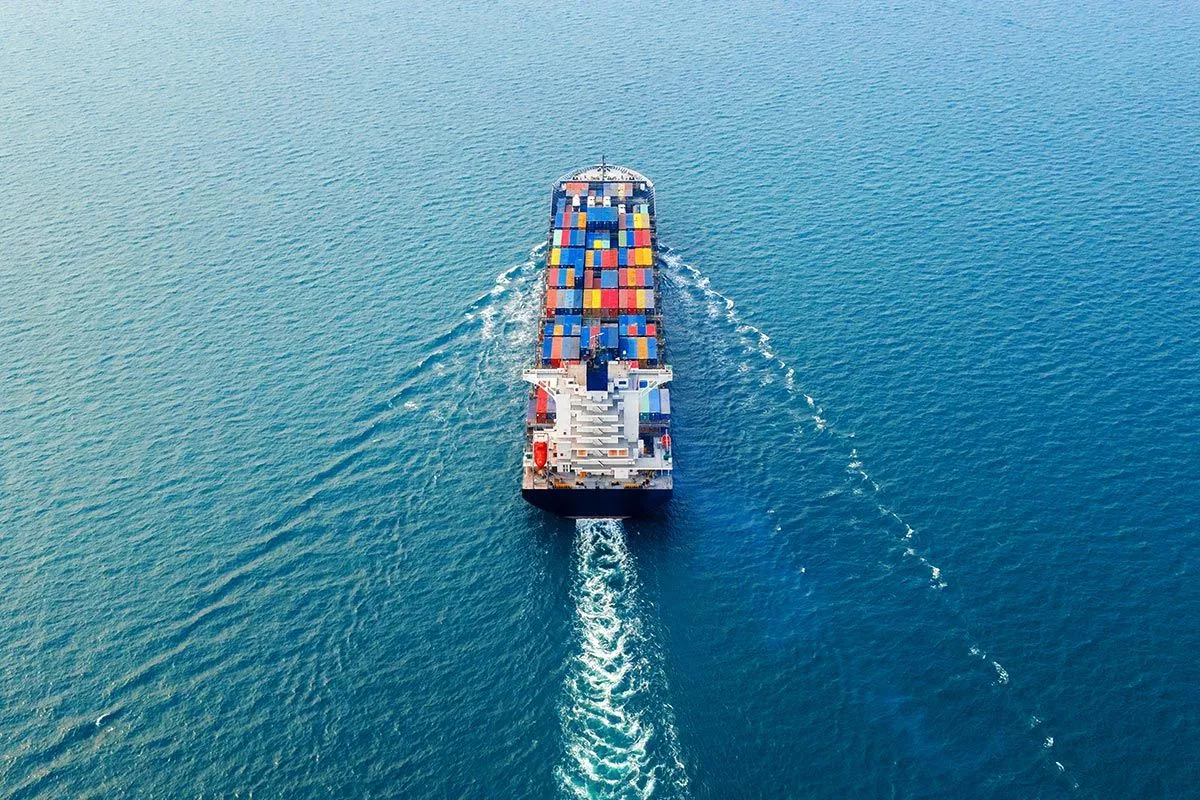
MOL Ocean Bulk, a subsidiary of Mitsui O.S.K. Lines responsible for its international operations with large cargo ships, has signed a 25-year iron ore transportation contract with Vale International. The two vessels will be delivered in 2030 and are primarily intended for transporting iron ore from Brazil to various international markets, with China being one of the main destinations.
Each vessel will have a capacity of 210,000 metric tons and will be equipped with a propulsion system that can use ethanol, methanol, or heavy fuel oil. The ability to switch between these three fuels will allow for the selection of the most convenient option at any given time, depending on availability, price, and emission reduction capabilities.
Ethanol is precisely one of the elements that draws the most attention to this project. According to data provided by Vale and compiled by MOL, its use can reduce carbon emissions by up to 90% throughout the fuel’s entire life cycle compared to heavy fuel oil. In other words, the calculation takes into account not only what is emitted from the ship’s chimney but also the production of the fuel and its subsequent use.
Methanol provides an alternative option when ethanol is not available or when its economic conditions are not sufficiently attractive. As a last resort, ships will still be able to use conventional heavy fuel oil. This combination can be particularly useful on routes that traverse different markets, where not all ports have the same infrastructure to supply alternative fuels.
But the project goes even further. The two ships will be designed to use both liquefied natural gas and ammonia in the future, preventing their propulsion systems from being limited to the technologies available at the time of construction. MOL describes them as ships ready for LNG and ammonia, keeping the option open to adopt these alternatives as technology and supply infrastructure evolve.
The idea makes sense considering the typical service life of a large merchant ship. Building a ship today with only one specific technology in mind could become a problem in 15 or 20 years if that fuel loses its competitiveness or an alternative with much lower emissions emerges.
The new carriers will also be 299.95 meters long and 50 meters wide, dimensions that give an idea of the scale of these ships. Their function will be to transport enormous quantities of iron ore across the oceans as efficiently as possible.
In addition to the propulsion system, various technologies aimed at reducing energy consumption will be incorporated. This is an important point because reducing emissions does not depend solely on using a cleaner fuel: the less fuel a ship needs to transport a certain amount of cargo, the lower its emissions will be as well.
For Vale, the project is part of its strategy to reduce emissions associated with the maritime transport of its iron ore. These emissions are part of what is known as its Scope 3 footprint, meaning those that occur indirectly along the company’s value chain.
MOL, on its part, aims to use these ships as a platform to advance the decarbonization of maritime transport and achieve its goal of zero net greenhouse gas emissions by 2050. The company will also work with its partners throughout the ethanol and methanol supply chain, from procurement to ship supply and refueling.
The real challenge will lie precisely there. It’s not enough to build ships capable of using alternative fuels if it turns out to be difficult to find them at the ports where they need to refuel. Developing an international supply network will be just as important as the technology of the engines themselves.
And that is probably the main advantage of these two giants: they don’t force a decision today on what the ultimate fuel for future maritime transport will be. They can use ethanol, methanol, or heavy fuel oil from the moment they go into service, and they will also be ready to incorporate liquefied natural gas or ammonia later on.
With a projected operational life of several decades, that flexibility may end up being far more important than any figure achieved in initial tests. Marine transportation is entering a phase where there is still no clear winner among fuels, and these two ships from Vale and MOL have been designed specifically to navigate through that uncertainty.
