
DS F3VER Concept: this is the new face of DS Automobiles
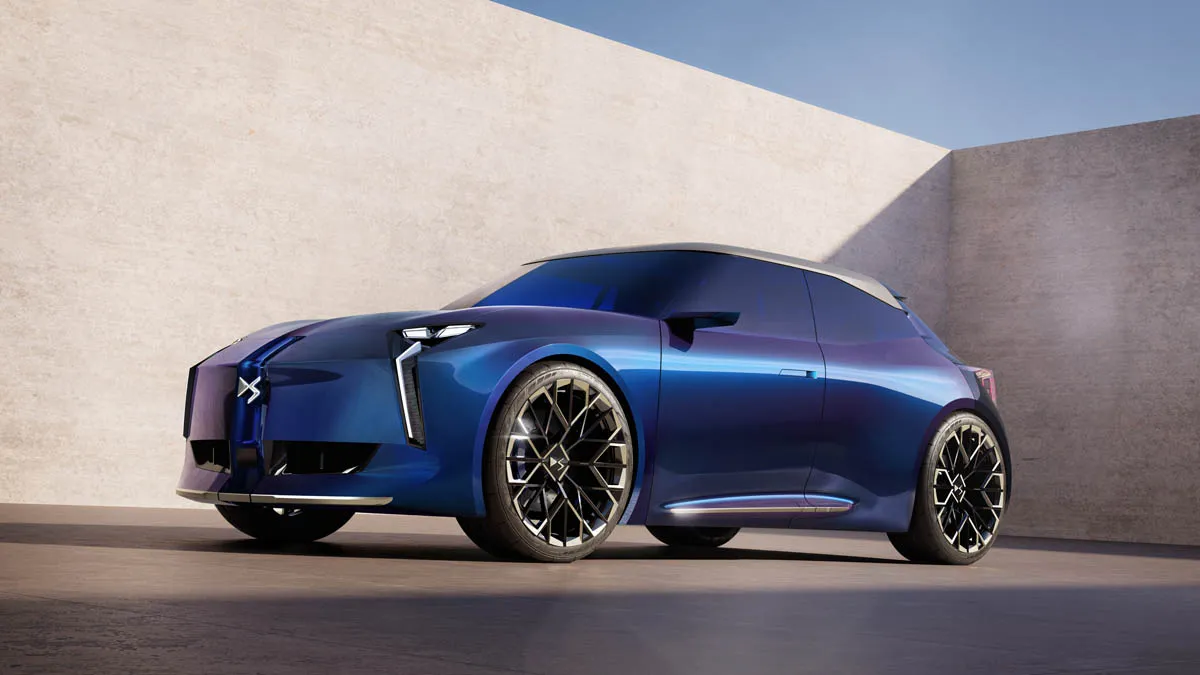
The DS F3VER Concept shows how DS Automobiles intends to design its future electric models. With striking lighting, unique color combinations, and surprisingly ample interior space, the French brand clearly pursues its own distinct direction. But behind this distinctive appearance lie some interesting technical ideas as well.
DS seeks a more recognizable identity
DS Automobiles has never hidden the fact that it aims to be different from established premium brands. The brand, which became independent in 2014 and takes its name from the legendary 1955 Citroën DS, has a history in which distinctive French design plays a key role. Unique materials, refined details, and a strong sense of character have long been its foundation. With the DS F3VER Concept, the brand takes things a step further. This all-electric concept car, unveiled at the Paris Motor Show, gives us an early glimpse of the design language we can expect to see in future DS models.
While models like the electric DS N°8 already demonstrate how the French brand combines design and luxury, the DS F3VER Concept takes it a significant step further. The bodywork appears sharper and more muscular, with the distinctive lighting playing a key role in the design. The result is a car that aims to stand out distinctly from the many electric crossovers already on the market.
This is not mere luxury. DS operates in a segment where brands such as Audi, BMW, and Mercedes-Benz have built strong reputations. In such a market, a beautiful interior and comfortable suspension alone are not enough. You must also offer something that competitors lack. With the F3VER, DS strives to further refine its unique identity.
The compact DS F3VER Concept offers surprisingly plenty of space
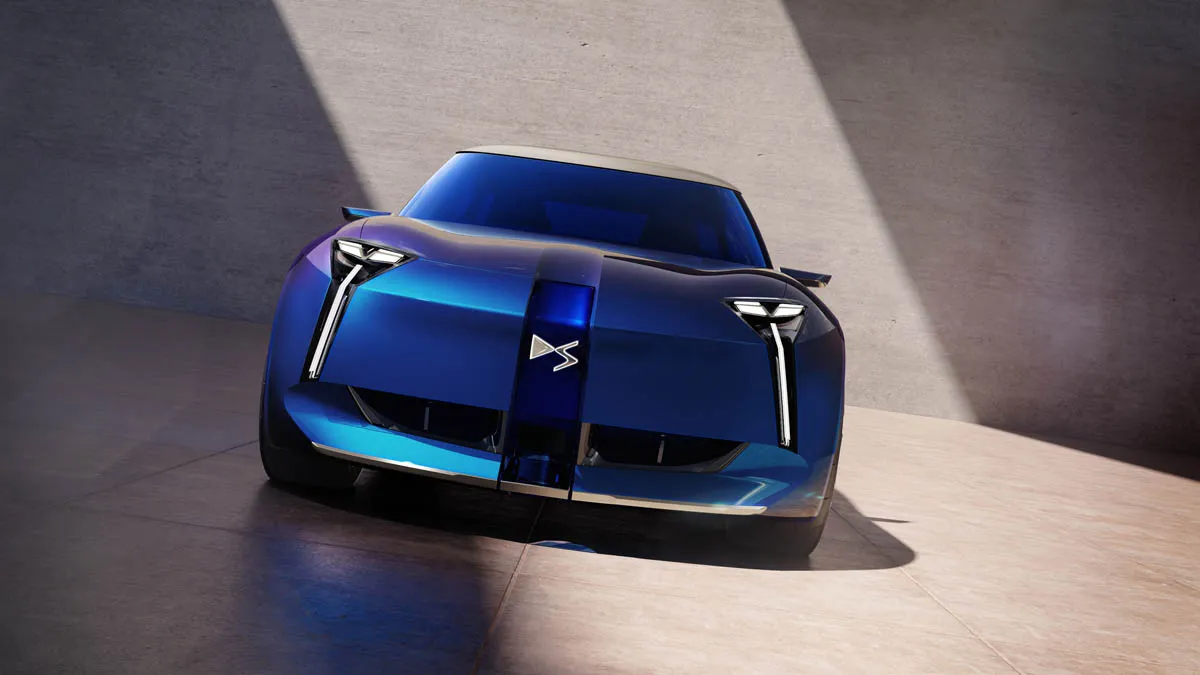
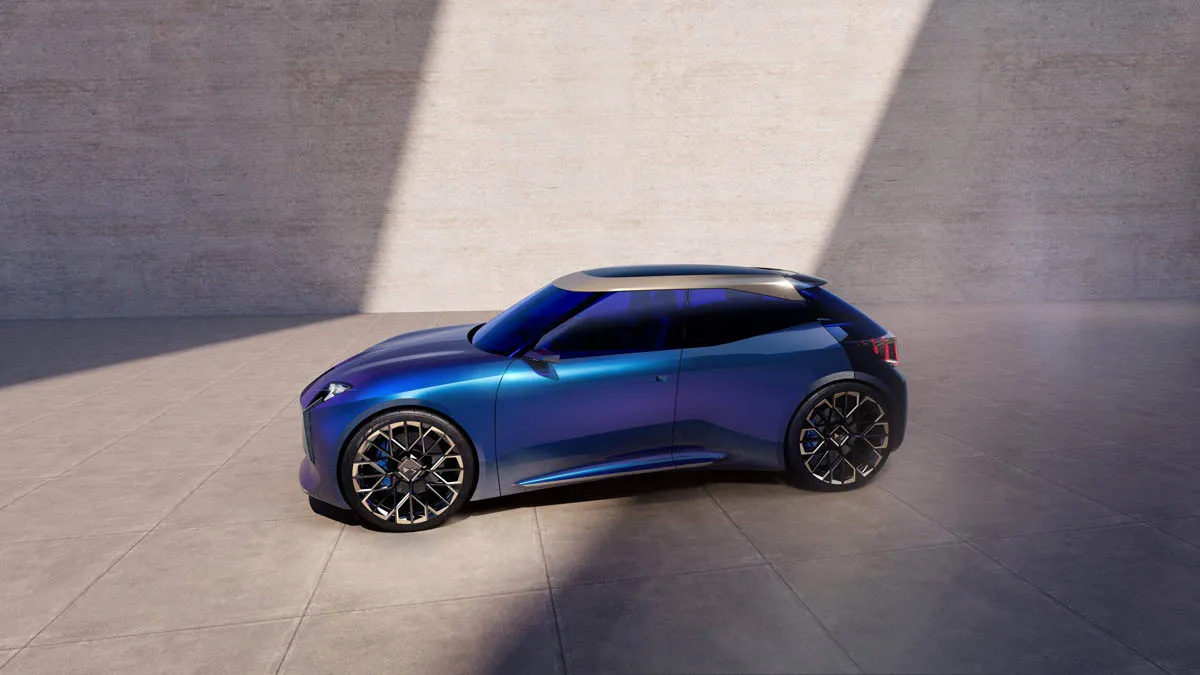
At 4.19 meters in length, the DS F3VER is a compact car. It’s 1.84 meters wide and 1.46 meters high, giving it proportions that resemble those of a sporty hatchback rather than an SUV. Its relatively low body and robust shoulder line contribute to its dynamic appearance.
What’s more interesting is what DS manages to achieve with these dimensions. The wheelbase measures 2.70 meters, which is quite generous for a car of this size. According to the manufacturer, this results in an interior that ranks among the most spacious in its class. The 400-liter trunk volume is also a solid figure for a compact hatchback.
By introducing the DS F3VER Concept, DS demonstrates that an electric vehicle doesn’t necessarily have to be tall and SUV-like to offer ample interior space. It is the combination of a relatively low chassis, a long wheelbase, and compact exterior dimensions that makes the F3VER interesting. However, it should be noted that this remains a concept vehicle. It is not yet known how much of this space will be retained in any potential production version.
A completely new look for DS
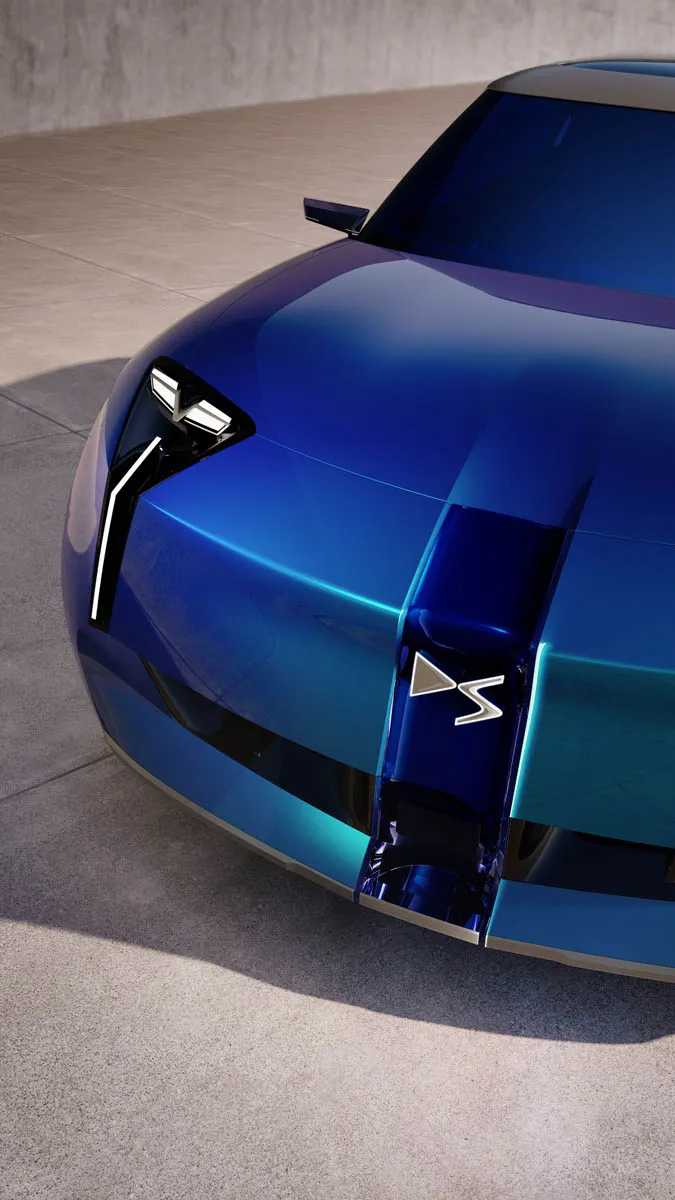
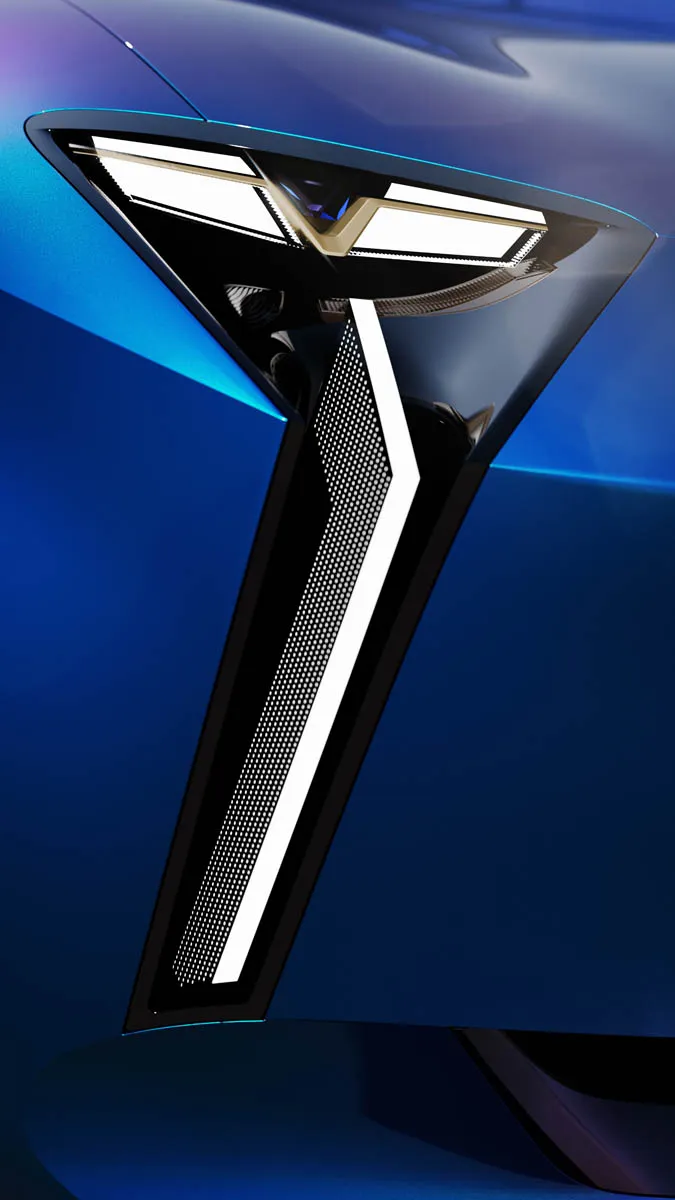
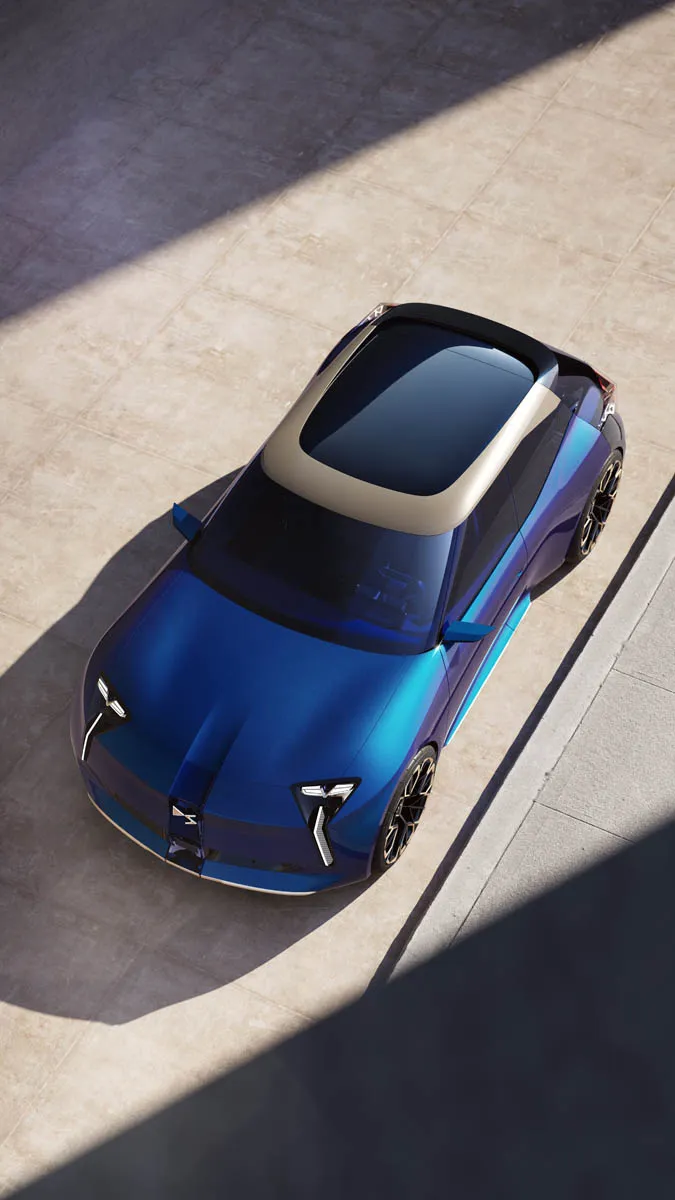
The most striking feature of the F3VER is undoubtedly its front end. DS has largely abandoned the traditional grille in favor of a vertical design with the brand logo at its center. On either side of it lies a new lighting setup featuring a distinctive Y-shaped pattern.
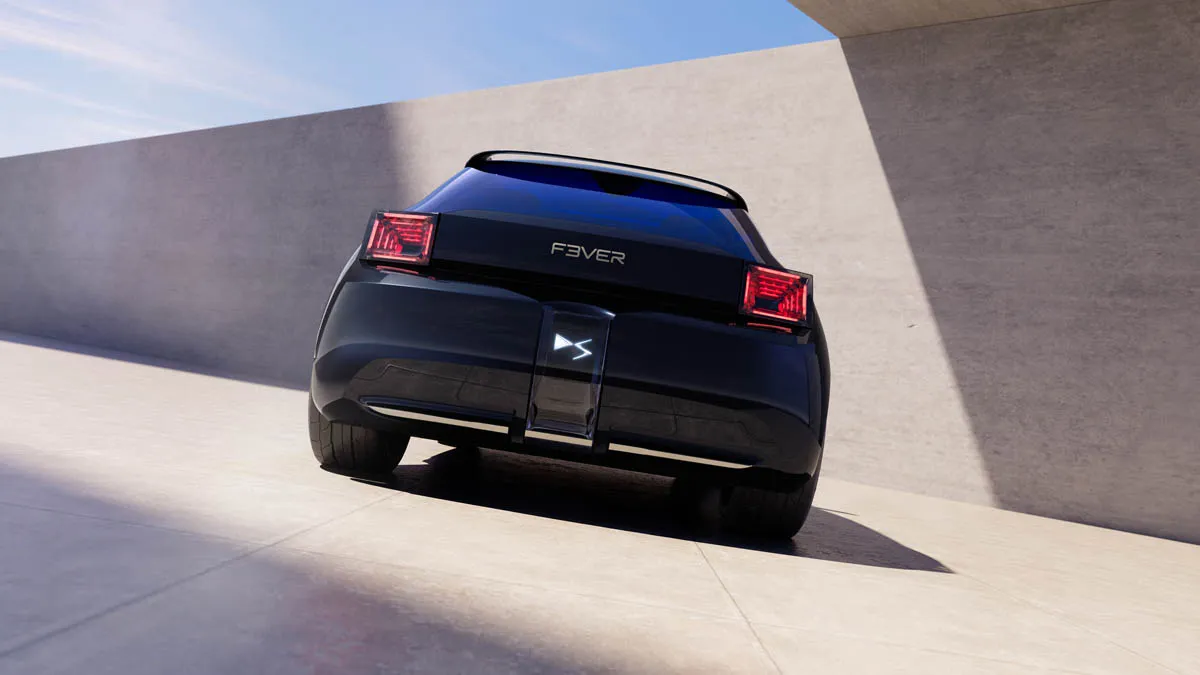
Lighting also plays a key role at the rear. There, the lighting system consists of sixteen LED panels that together create a remarkable depth effect. These panels are mounted on a lightweight magnesium structure, whose design, according to DS, was inspired by the roof of the famous Grand Palais in Paris.
These are details through which DS emphasizes its French heritage without constantly relying on historical models. At the same time, the lighting is more than just a decorative element. The taillights can display various animations to convey information to the surroundings.
DS has not yet clarified exactly how this will work in practice. It is interesting, however, that the manufacturer increasingly views lighting as a means of communication. This places the F3VER within a broader trend where cars can communicate with their environment through light signals.
Personalization goes beyond just a different paint color
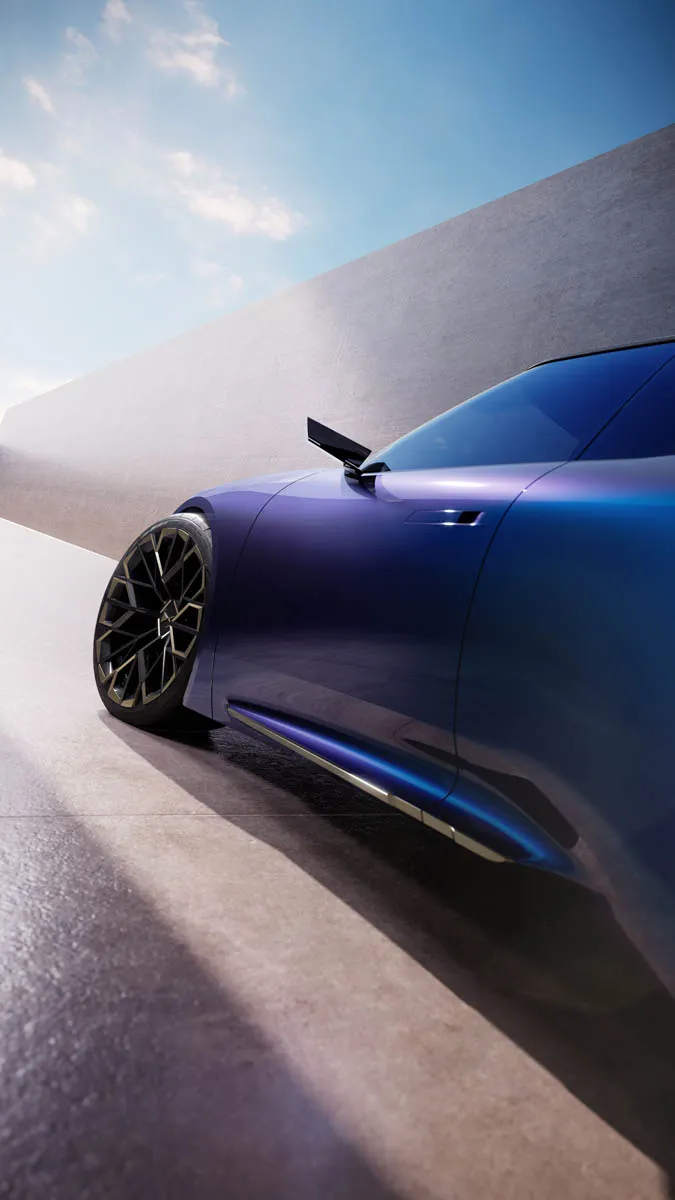
Another important aspect of the design is personalization. DS wants to give buyers more options to give their car a unique character. This starts with the body, where two-tone painting goes much further than we’re used to seeing. The second color isn’t limited to the roof but extends to the trunk lid, sides, and parts of the bumper. Even the roof edge can have a different finish. As a result, the car’s visual proportions change significantly depending on the color combination chosen.
Specifically for the F3VER, DS also developed the Cosmic Blue color. This unique paint changes from bright blue to deep violet depending on the lighting conditions. The effect highlights the different surfaces of the bodywork, giving the car a slightly different appearance each time. Even the wheels are part of this design story. They combine a geometric pattern with champagne-colored accents and the iconic Clous de Paris motif, which DS often uses to reference traditional French craftsmanship.
It remains to be seen whether all these options will eventually be available on production models. But it does show that DS wants to make personalization a stronger focus to distinguish itself from other brands.
Fewer components, less weight, and a smarter design
Behind the striking appearance lies a technical approach as well. DS calls this method “Design Intelligence.” The principle is simple: strive to create a better design with fewer components.
For example, the headlights and daytime running lights are combined into one unit. The bumpers are made as a single piece, and there are no separate plastic parts around the wheel arches. This not only results in a cleaner design but can also offer advantages in production.
A fewer number of components means fewer connections, potentially less weight, and a simpler assembly process. DS also aims to improve aerodynamics, which can directly contribute to lower energy consumption in electric vehicles.
During the development process, the brand utilizes digital tools and artificial intelligence developed within Stellantis. This allows designers to more quickly explore and compare different solutions. The goal is not to replace creative work but to make development more efficient.
It might sound less spectacular than special lighting or color-changing paint, but this approach could ultimately be more important for future DS models.
How electric is the DS F3VER concept actually?
Although DS positions the F3VER as an electric concept car, the brand remains remarkably cautious about sharing technical details. No specific figures are provided regarding the battery pack, power output, or charging speed.
The range is also still unknown at this stage. DS does mention an impressive driving range, but without a WLTP value, it’s difficult to give precise information. It is therefore too early to compare the F3VER technically with existing electric cars.
That’s unfortunate, as it is precisely the combination of compact dimensions, a relatively low chassis, and attention to aerodynamics that could offer interesting possibilities for efficient electric driving. DS already has considerable experience in this area, as proven by the electric DS N°8, which, according to the manufacturer, achieves a WLTP range of up to 750 kilometers. The question is how much of that efficiency DS can transfer to a much more compact model.
From a striking concept car to a real DS?
The DS F3VER Concept is for now mainly a glimpse of what’s to come. DS has not announced a production version, and nothing is known about a possible launch date or price.
Yet it seems unlikely that all these ideas were developed solely for this concept car. The new lighting design, simplified body structure, and emphasis on personalization align well with the direction DS aims to take.
The key question is ultimately how much of this design will make it to series production. Concept cars can indeed be more extravagant than the models that actually end up in dealerships. But if DS manages to retain a significant portion of these ideas, its future electric vehicles could look much more distinctive. And that is exactly what the brand needs to stand out in the competitive premium segment.
Text: Marc Verweij