
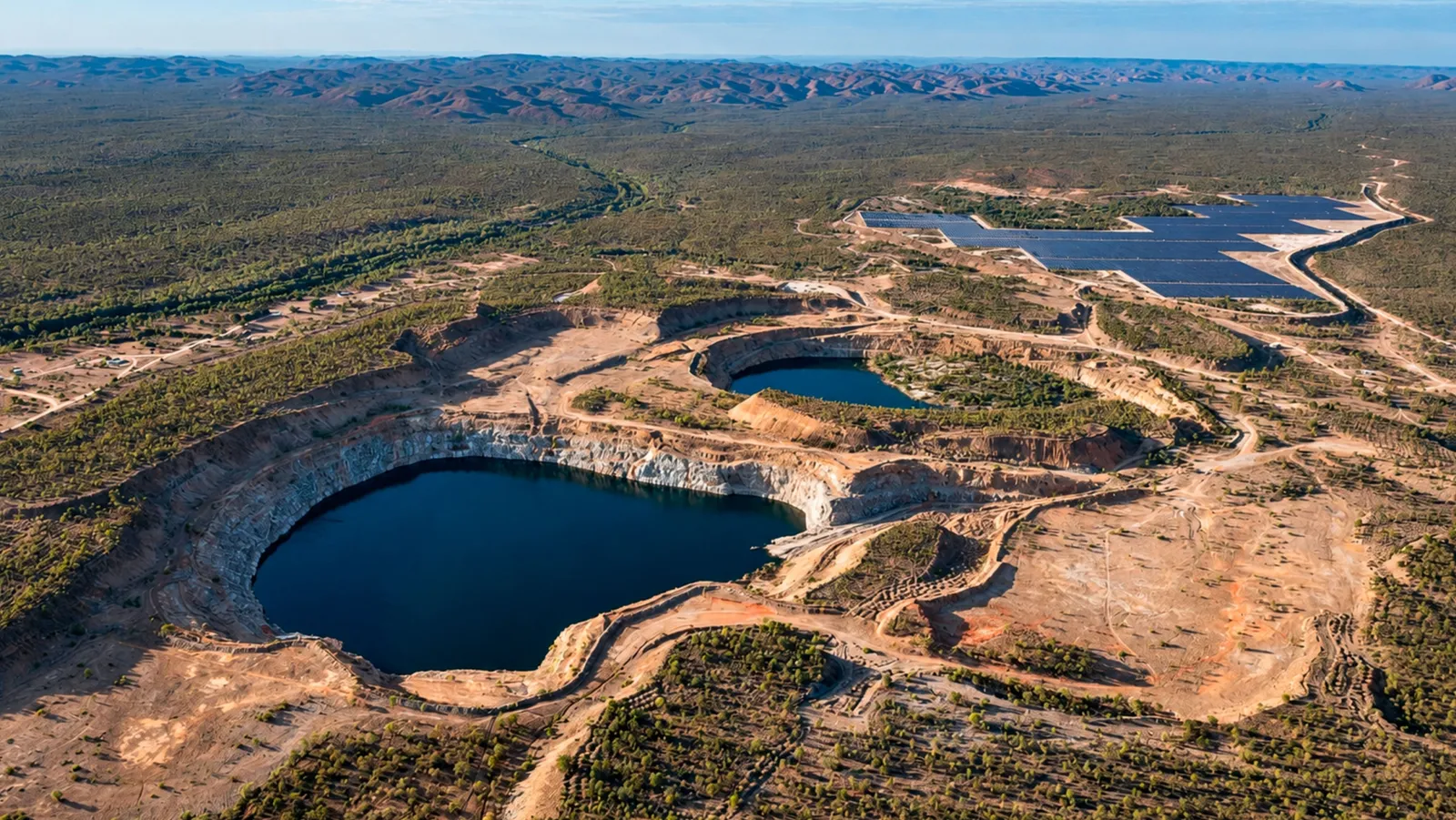
Two massive holes from an old gold mine are about to accomplish what seemed impossible: storing as much energy as thousands of electric cars.
10/10/2026 22:00
Updated to
10/10/2026 22:00
Australia is developing a new facility to strengthen its power grid in Queensland, and this time it isn’t a large lithium battery. The Kidston project will use water and two massive mining shafts to store up to 2,000 MWh of electricity, with a generation capacity of 250 MW and the ability to maintain that supply for about eight hours straight.
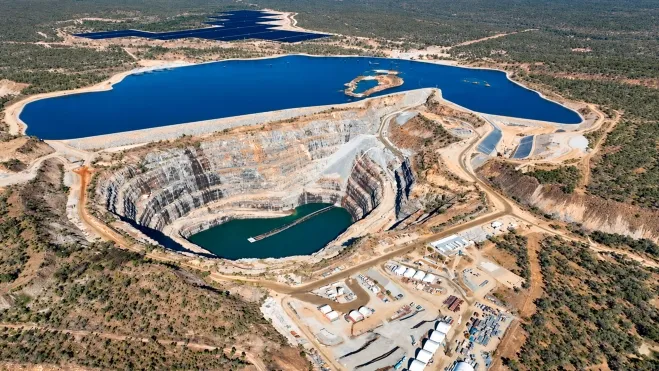
The facility is being built about 270 kilometers northwest of Townsville and utilizes infrastructure that had not been used for its original purpose in decades. Genex Power has transformed the old shafts of a gold mine into the two reservoirs of a reversible hydroelectric plant, a configuration the company claims is the first in the world developed entirely within an abandoned gold mine.
A 2,000 MWh battery that operates by moving water
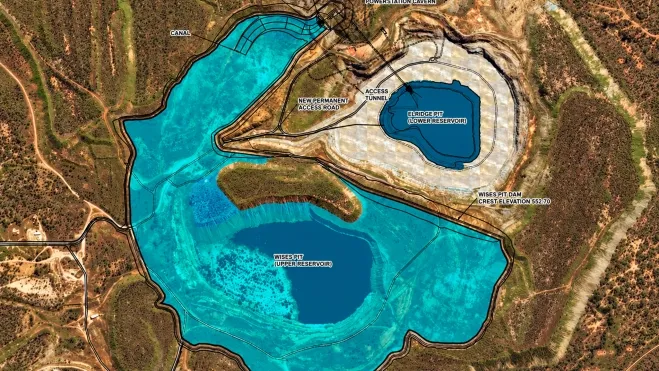
Kidston will store energy by pumping water into a reservoir at a higher elevation during periods of low demand or high availability of renewable energy. When the grid needs to retrieve that electricity, the process will be reversed and water will flow downward into the underground plant, turning turbines and supplying energy back to Australia’s electrical system.
To achieve this, the old Wises and Eldridge wells have been reused, functioning as the upper and lower reservoirs respectively, with a dam about 20 meters high built around the former to increase its capacity. The available height difference is approximately 218 meters, allowing utilization of the natural slope from the mining operation itself without the need for two new large reservoirs.
The core of the facility is underground and consists of two reversible units, each with 125 MW capacity, capable of operating as pumps to lift water and as turbines to generate electricity. Genex claims the system’s response time is under 30 seconds, enabling rapid power supply in response to changes in demand or drops in solar and wind generation.
A mine that has been closed for 25 years will now become part of the power grid
Kidston’s mining operations officially ended in 2001, leaving behind two massive open-pit mines that years later became part of the current energy complex. A 50 MW photovoltaic plant has been operating at this site since 2017, while the new pumping station will allow some of the electricity generated during peak renewable production hours to be stored.
The transformation has required an estimated investment of 777 million Australian dollars, including the necessary transmission infrastructure, and has relied on significant public funding. NAIF provided a loan of up to 610 million Australian dollars, and ARENA committed another 47 million, while the project also includes a power line of about 186 kilometers to connect Kidston to the grid.
Its commissioning, however, will come later than planned. After the project was registered on Australia’s electricity market in November 2025, the expected availability date has been pushed back to around July 22, 2027, from the previous target of October 2026; Genex attributes the delay to the complexity of civil works rather than technical issues with the installation.