
Germany and France seem to want to further relax the ban on internal combustion engines.
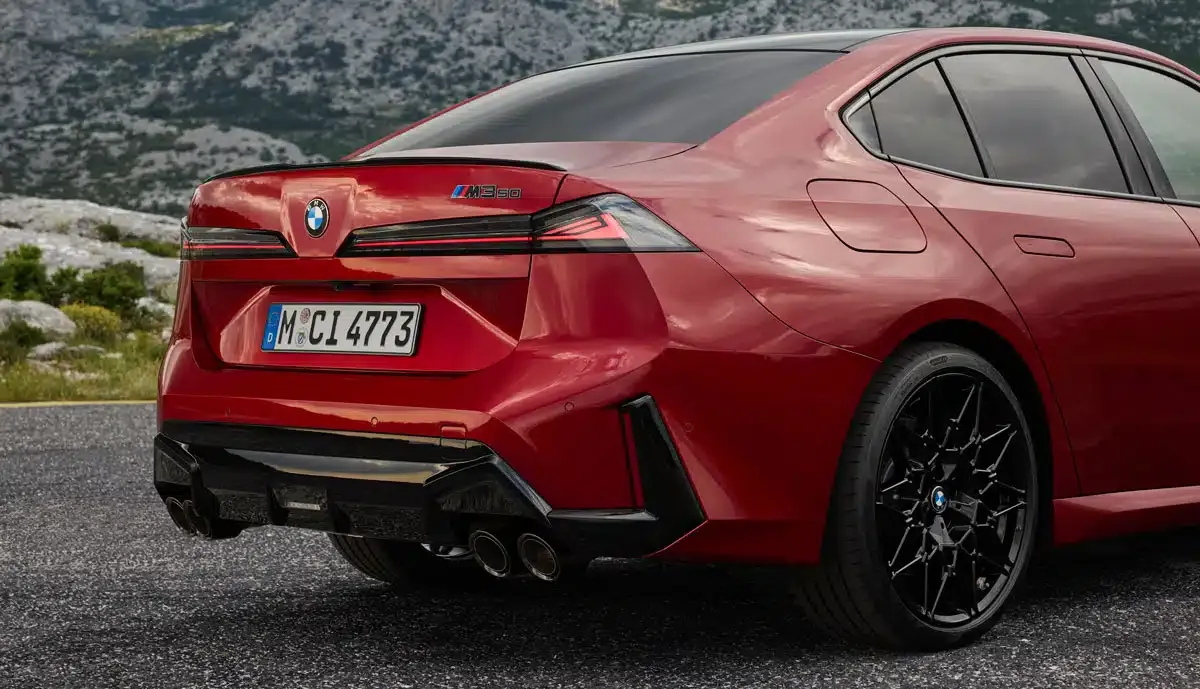
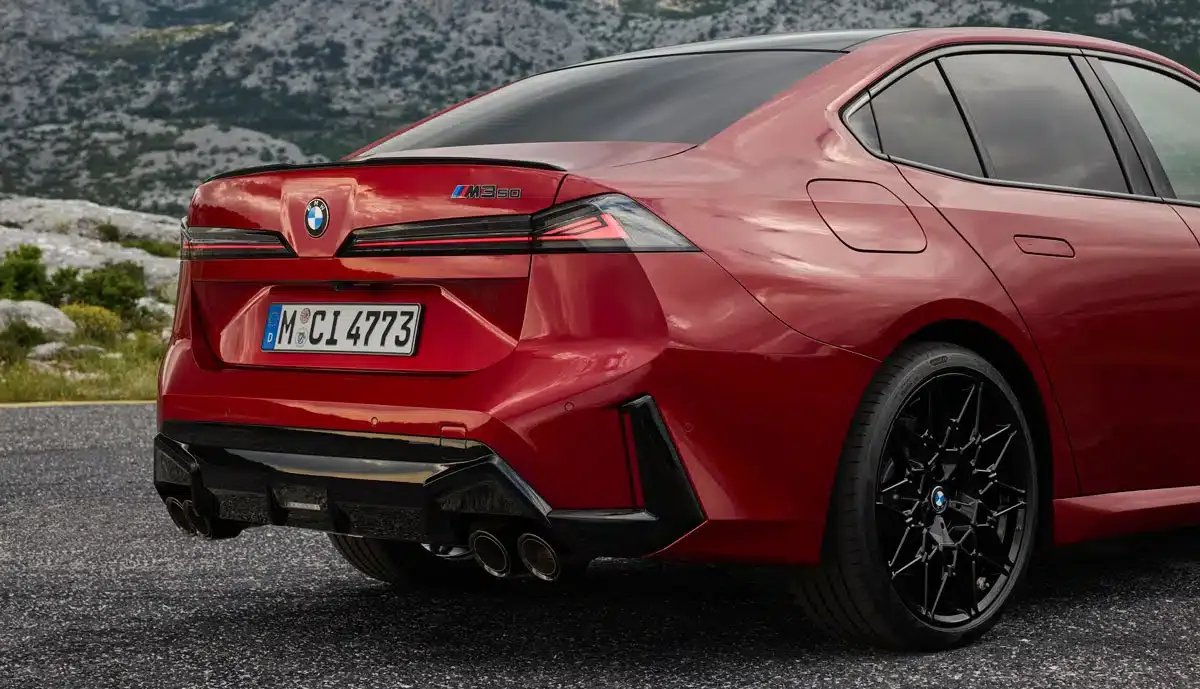
Image: BMW (illustrative)
Germany and France appear to want to further expand the planned relaxation of European CO₂ fleet limits for new passenger cars. According to consistent media reports, Chancellor Friedrich Merz and French President Emmanuel Macron have reached a preliminary agreement on a common position. France is said to be willing to make additional concessions regarding CO₂ requirements, while Germany would in turn support stricter European origin rules for the automotive industry. The details of the agreement are still under negotiation, per these reports.
The situation had already changed by the end of 2025. The EU Commission proposed at that time to lower the target set for 2035 of a 100-percent reduction in CO₂ emissions compared to 2021 to a 90-percent reduction in exhaust emissions. According to the Commission’s draft, the remaining emissions are to be offset through credits for CO₂-low steel produced in the EU and for sustainable renewable fuels.
This could allow plug-in hybrids, so-called range-extender electric vehicles, mild hybrids, and conventional internal combustion engines to play a role in new vehicle registrations beyond 2035, in addition to battery-electric and hydrogen-powered vehicles. The current regulation still sets a target of 0 g CO₂/km or a 100-percent reduction starting in 2035.
The German-French position now being discussed is intended to go beyond this Commission proposal. According to the Handelsblatt, Berlin and Paris want to allow for an additional reduction of ten percentage points without this extra amount needing to be fully compensated. Combined with the existing compensation options, the effective reduction level could theoretically drop to at least 80 percent.
The interim target for 2030 is also set to be part of the discussions. The Commission proposal maintains a 55 percent CO₂ reduction target for passenger cars compared to 2021, but it allows manufacturers to spread the achievement of this target over the years from 2030 to 2032. Germany and France, according to current reports, want to extend this period to 2028 to 2032.
The political compromise also includes industrial policy guidelines. France has long called for European funding mechanisms and regulatory advantages to be more closely linked to production within Europe. Germany preferred broader rules that could include certain trading partners as well. According to recent reports, Berlin is now set to support stricter “Made in Europe” requirements.
“Relaxation only within the framework of a fair package solution”
In response to reports of a German-French agreement to ease EU fleet emission limits, Kerstin Andreae, CEO of the Federal Association of the Energy and Water Industry (BDEW), said, “Europe needs a strong automotive industry—and at the same time reliable guidelines for advancing electric mobility. Allowing vehicle manufacturers relief must not result in reduced investment in charging infrastructure, electrical technology, and new business models. On the contrary, those who want Europe to remain a successful hub must pursue a fair comprehensive solution.”
The energy and charging industry has made substantial investments relying on European frameworks, with Germany exceeding its European targets by nearly 250 percent. “Those who weaken fleet emission limits now must ensure that electric mobility is not hindered,” demands BDEW. “A fair European package solution requires: clear guidance for electric mobility, effective incentives for corporate electric fleets, tax support for electric vehicles, and less bureaucracy in expanding charging infrastructure. This is what a successful industrial policy for Europe should look like.”
Also interesting
About the author
Thomas Langenbucher is an expert in electromobility with professional experience in the automotive industry and finance sector. Since 2011, he has been covering electric vehicles, sustainable technologies, and mobility solutions for ecomento.de. Learn more.
Reader interactions
