
From a coal mine to a battery with 8,600,000 kWh of capacity, enough to power 800,000 homes
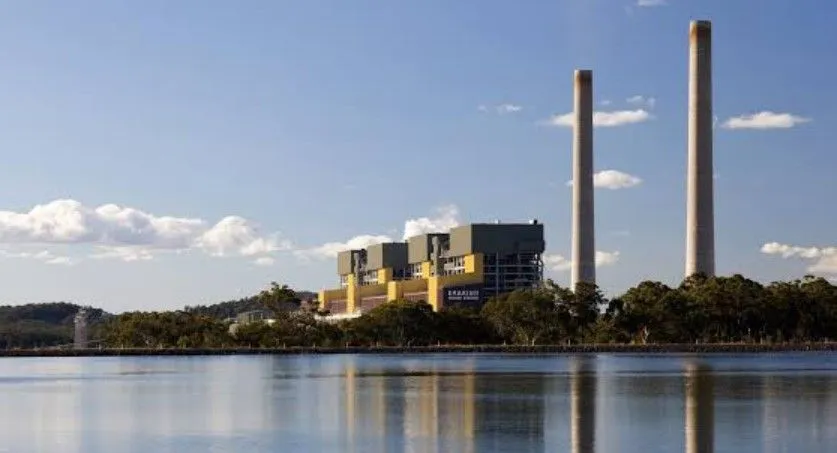
Australia is preparing a major transformation at one of its key power generation sites. The country’s largest coal plant faces closure, but the massive facility it occupies will not disappear from the energy landscape. Instead, it will become a giant battery.
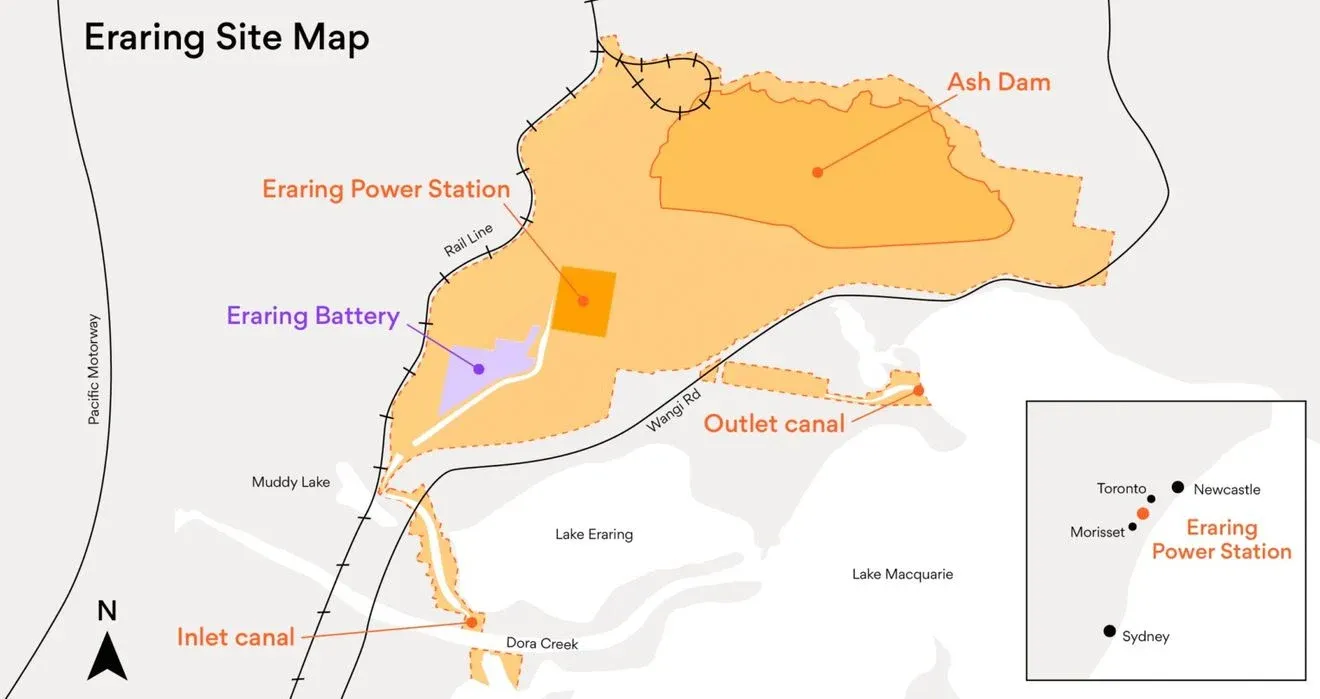
Origin Energy plans to use part of the Eraring facility in New South Wales to further expand an existing battery under construction. The goal is for the complex to store electricity from renewable sources and release it back into the grid when it is most needed.
A battery capable of replacing gas during peak pricing hours
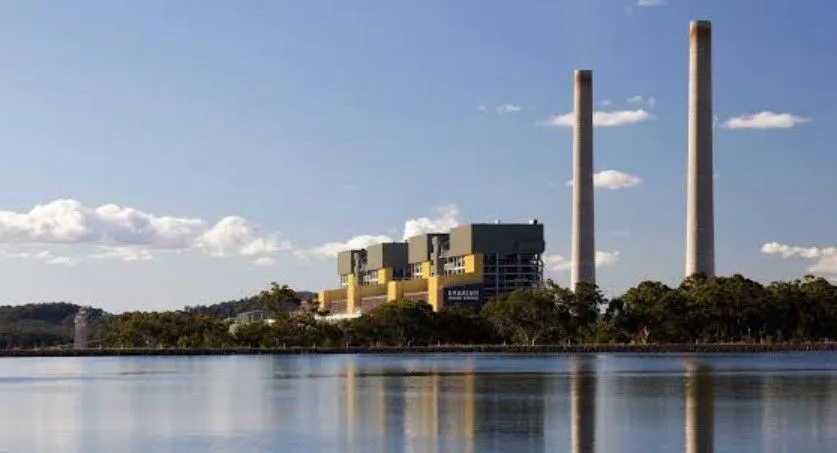
Eraing is currently Australia’s largest power plant, with 2,880 MW of capacity, but its closure is scheduled for April 2029. However, the company is already working on its transformation.
Once the entire project, which will be developed in phases, is completed, the battery complex will have approximately 1,200 MW of capacity and 8,600 MWh of storage capacity. The new facility will begin construction before the coal plant closes in 2028 and will take only 36 months to complete.
If we make a simple estimate assuming an average daily consumption of 10 kWh per household, the 8,600 MWh stored would equal the electricity used in one day by approximately 860,000 homes. Obviously, a battery of this size isn’t used in this manner throughout an entire day, as its main function is to shift electricity over time and cover periods of high demand. But it helps illustrate the enormous amount of energy it can handle.
But this is assuming the batteries power those homes 24 hours a day. In reality, the sun, wind, or hydro power supply part of the day’s energy needs. In Spain, for example, gas usually plays a significant role for about six hours per day, according to figures from yesterday, September 6. If we make a simple estimate assuming an average daily consumption of 10 kWh per household, the 8,600 MWh stored would be enough to meet the energy needs of approximately 3.44 million households during those six hours.
And that’s where batteries of this size can make a difference: instead of relying on combined cycle power plants when the sun goes down and demand rises, the grid can use electricity stored earlier, reducing the need to turn to gas and, in marginal markets like Spain’s, preventing these plants from setting the electricity price during those hours.
We’re not talking about small savings. Again, using yesterday’s data, in the regulated market the cheapest hours were those with higher contributions from solar and wind power, during midday to late afternoon, when the cost per kWh was as low as just 8 cents. In contrast, when the sun goes down and residential demand increases, between 6 p.m. and 9 p.m., gas power comes online and the cost per kWh soars to 32 cents.
And this is probably the most interesting part of the project. A high-capacity battery can fill the gap traditionally occupied by combined-cycle power plants when solar production drops and demand rises, avoiding the need to rely on gas to meet those peaks. In a marginalist market like Spain’s, this also has an important consequence: when a combined-cycle plant is needed to cover the remaining part of demand, it can end up setting the price for all electricity generated during that period.
The operation of a battery allows this dynamic to be changed. It can be charged during hours when there is abundant renewable energy production and low prices, and then discharged during periods of higher demand. It does not eliminate the need for backup generation in all situations, but it reduces the hours when gas is essential to maintain system balance.
The energy transition is not merely about replacing a coal plant with solar panels or wind turbines. It also requires sufficient storage so that electricity can be used when it is truly needed. Projects like Eraring demonstrate how batteries can become a crucial component of this new electrical system.
