
From 6,500 to 2,100 euros: the price gap between gasoline cars and electric vehicles is dropping sharply, making zero-emission vehicles increasingly affordable.
10/10/2026 20:30
Updated to
10/10/2026 20:30
Price remains one of the main barriers for those considering buying an electric car, but the gap compared to gasoline models has narrowed significantly over the past few years. In Germany, one of Europe’s largest automotive markets, that gap is further shrinking after several months of widening in the opposite direction.
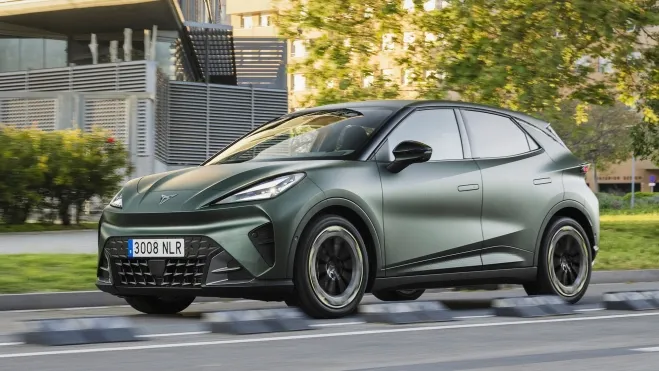
In September, according to the latest analysis by the Center Automotive Research (CAR) led by expert Ferdinand Dudenhöffer, the 25 best-selling electric cars were on average 2,124 euros more expensive than the 25 most popular gasoline models. The average gap has decreased by 125 euros in just one month.
A difference of over 6,500 to 2,124 euros
The long-term trend shows how close the two technologies have become. In October 2024, purchasing one of the electric vehicles analyzed meant paying an average of more than 6,500 euros extra compared to a gasoline car. During the early years of electric mobility’s expansion, this gap even reached 15,000 euros.
By the end of 2025, there was one of the biggest reductions in this gap. In December, it dropped to just 1,328 euros. However, in the first months of 2026, it increased again to 2,363 euros by July. It fell to 2,249 euros in August and has now dropped further to the mentioned 2,124 euros.
Therefore, electricity prices are still nearly 800 euros higher on average than at the time of the smallest gap recorded in December 2025. The outlook changes significantly when expanding the analysis period. Compared to the over 6,500 euros in October 2024, the current gap has narrowed by about two thirds.
Manufacturers raise discounts again
One of the key factors behind this recent change is the discounts. CAR calculates what are known as transaction prices, meaning it takes the list prices and deducts the promotions available online and through various intermediaries. The study also uses data from Germany’s federal transportation authority, the KBA. German government subsidies for purchasing electric cars are not included in this comparison.
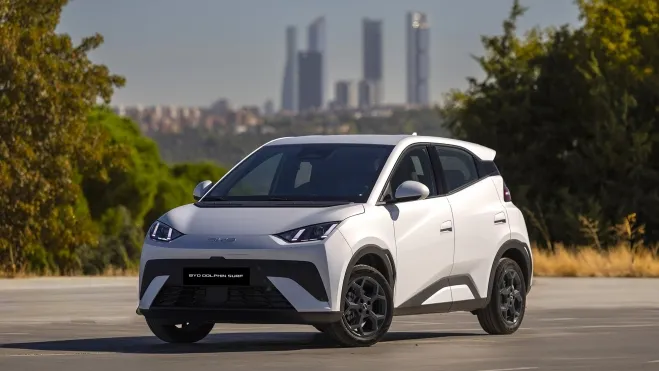
In September, the average discount applied to the 25 best-selling electric cars reached 17.9%, up from 17.4% in August. The difference may seem small, but it represents a shift in trend after manufacturers had previously reduced their promotions amid a more favorable environment for electric cars.
Dudenhöffer linked that reduction in discounts to two factors: rising fuel prices and government subsidies were making electric vehicles more attractive, so manufacturers didn’t need to offer additional promotions to boost sales. Now a new factor is emerging that is putting further pressure on prices to drop.
New cheap electric vehicles are increasing competition
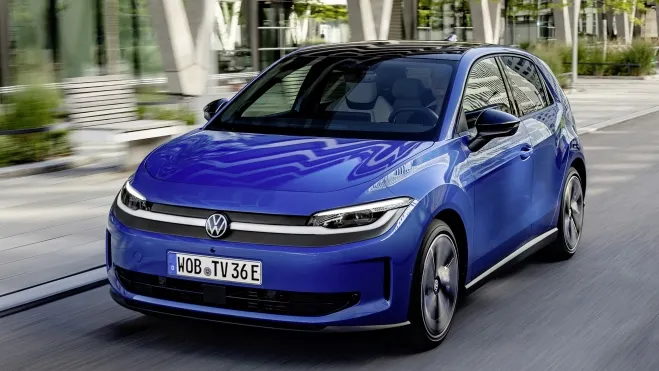
CAR points directly to the arrival of a new generation of cheaper electric cars. Models such as the Volkswagen ID. Polo and other small electric vehicles from the Volkswagen Group are putting pressure on cars already on the market, especially in lower price segments.
Manufacturers are thus forced to offer greater discounts to keep their models competitive against these new offerings. Dudenhöffer also believes this trend could intensify in the coming months as the supply of affordable electric vehicles continues to grow. This aligns with a significant transformation in the European market. There are increasingly more small electric cars at lower prices, which is increasing competition not only between electric vehicles and internal combustion engine models but also among battery vehicle manufacturers themselves.