
Cybercab is already transporting passengers in Austin. FSD in an advanced version
In short:
Tesla has finally launched its robotaxi project
The two-seater Cybercab transported its first passengers in Austin, Texas
Cybercab uses an advanced version of Full Self-Driving
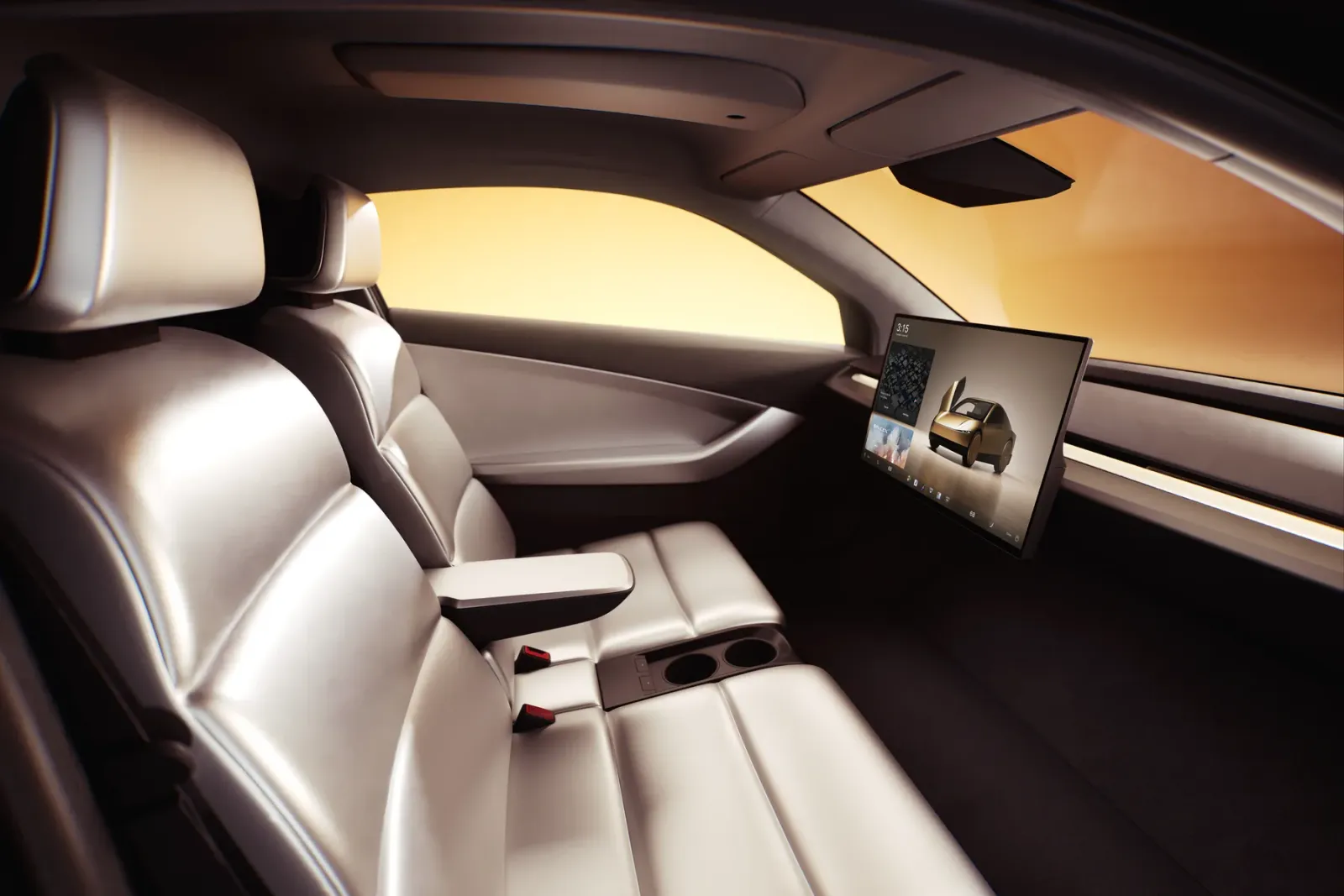
Nine cameras monitor passenger safety. A radar in the ceiling detects whether an adult or, for example, a child is sitting in the seat
Texas remains one of the most supportive states for autonomy
Companies like Waymo, Zoox, and Motional are already operating there
Cybercab in Texas
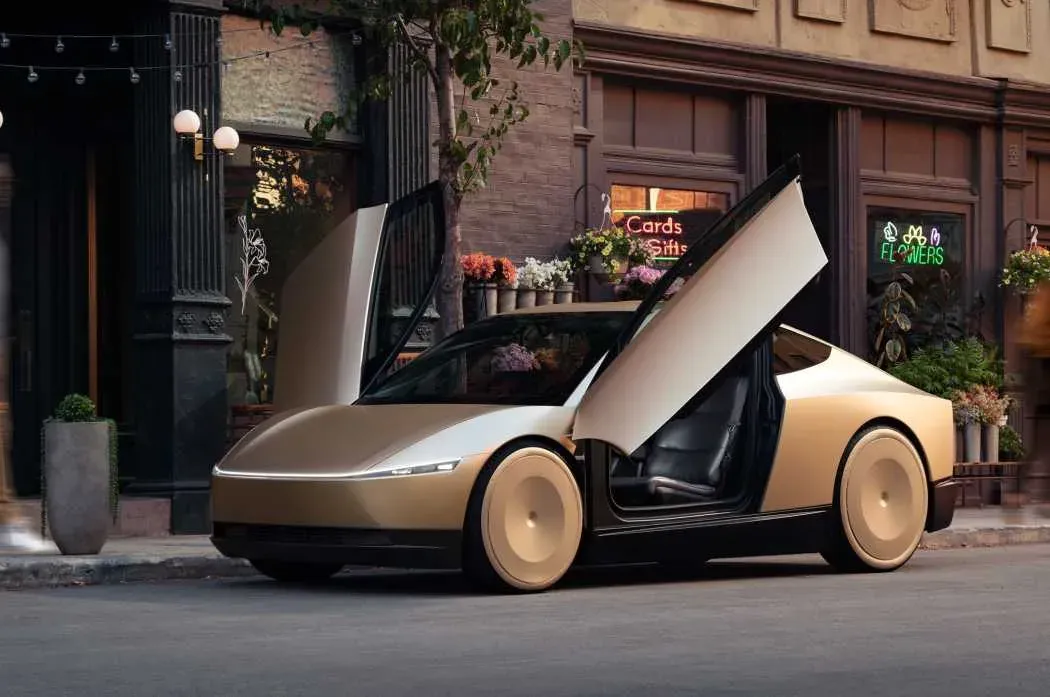
Austin, Texas, Thursday evening. In the city center, as the sun set, Tesla officially launched its most radical project in years: Cybercab, a fully autonomous robotaxi without a steering wheel or pedals. This is the first time a two-seater vehicle designed solely for driverless operation has carried passengers, rather than just employees or invited testers. According to Forbes, “Tesla officially launched the Cybercab service for paying customers in Austin, marking the first public deployment of a two-seater, fully autonomous vehicle.”
The atmosphere surrounding the launch was unusual. Although fans were waiting for a live broadcast, it never happened. Only invited guests attended the closed event, and Tesla — as reported by Drive Tesla — imposed a ban on photos and videos until the end of the presentation. It was only later that the first videos of driving the Cybercab began to appear online, including recordings showing the automatically opening “butterfly doors” controlled via the Robotaxi app.
What was it like before?
Cybercab, first unveiled in 2024, is a vehicle that has been radically simplified. It lacks a steering wheel, pedals, or any manual control elements. As AFP notes, “this golden-colored vehicle has no pedals or steering wheel, and it seats two people — it was designed specifically for driverless taxi services.” Even before the event, Elon Musk posted on X a photo of Cybercab “floating above Austin,” seemingly to emphasize the symbolic moment as Tesla enters a new phase of autonomy.
Tesla did not provide many technical details during the event itself, but data from previous publications helps illustrate the scale of the project. According to Reuters, 314 Tesla robotaxis have been registered in Texas, including 45 Cybercabs that have been ready for commercial operation since Wednesday. It is a small fleet, but significant — as for the first time, driverless vehicles are carrying passengers in regular service.
Positive Reactions
The first customer reviews are enthusiastic. Sawyer Merritt, a Tesla commentator who took one of the inaugural rides, described the driving experience as “smooth,” despite the absence of any manual control elements. Forbes notes that the Cybercab uses an advanced version of Full Self-Driving compared to what’s available in the Model 3, Y, or Cybertruck, with the entire cabin designed for comfort. It features plenty of legroom, individual climate control, a large trunk, and an interface based on Unreal Engine.
The security system setup also makes an impression. Nine cameras monitor the surroundings and interior, while a radar in the ceiling detects whether an adult, child, or infant is in the seat—and automatically activates the appropriate airbags. Tesla claims that passenger data is deleted after each trip.
Will such a taxi be cheaper?
While the debut of the Cybercab is indeed groundbreaking, experts are keeping their expectations in check. Itay Michaeli of TD Securities told AFP that he expects a “slow rollout,” similar to the earlier introduction of Robotaxi, and that Tesla will need to carefully analyze feedback from early users before expanding the service to other cities.
Anthony Townsend from Cornell Tech notes that it remains unclear which business model will prove best in the crowded market for autonomous services. “It was always promised that autonomous taxis would be cheaper than those driven by humans, but it’s not clear whether that’s even achievable,” he emphasizes in an interview with France 24.
Friendly Texas
It’s worth recalling that Texas remains one of the most autonomous-friendly states. Companies like Waymo, Zoox, and Motional are already operating here, while Tesla has been testing robotaxis based on the Model Y since 2025. That’s why this state’s capital was chosen. Cybercab isn’t starting from scratch—it’s being integrated into an existing network that includes Austin, Dallas, Houston, Miami, Orlando, and Tampa. As Tesla states in its materials, “We are changing the way people travel by making transportation more efficient, affordable, and accessible than ever before”—a statement that is now seeing real-world implementation on the streets of Austin for the first time.
Conclusions
Will Cybercab prove to be a game-changer? For now, one thing is clear: Musk’s brand is truly “just beginning,” as Townsend said. And Austin is the place where the future of transportation stopped being a prediction and simply got underway.
Oskar Włostowski