
The first details of the new Citroën 2CV are beginning to emerge, featuring a compact size, simple design, and very low cost.
Next Sunday, October 11, Citroën will unveil a conceptual preview of the new 2CV, a model whose production version is set to launch in 2028. In recent days, the French brand has released numerous images of this concept car, which appears to draw strong aesthetic inspiration from the original 1948 model.
So far, not much information is available about the vehicle. It is known to belong to Stellantis Group’s E-Car family and that its target price, before subsidies, will be below 15,000 euros. Additionally, it has been confirmed that it will be manufactured at Stellantis’ plant in Pomigliano d’Arco, Naples, where it will share the production line with the fourth generation of the FIAT Panda/Pandina.
A few days before its official debut, some details about the new model have begun to surface. The French forum Worldsco reports quotes from Pierre Leclercq, Citroën’s design director, in which he reveals some interesting facts about the project, which is considered crucial for the manufacturer.
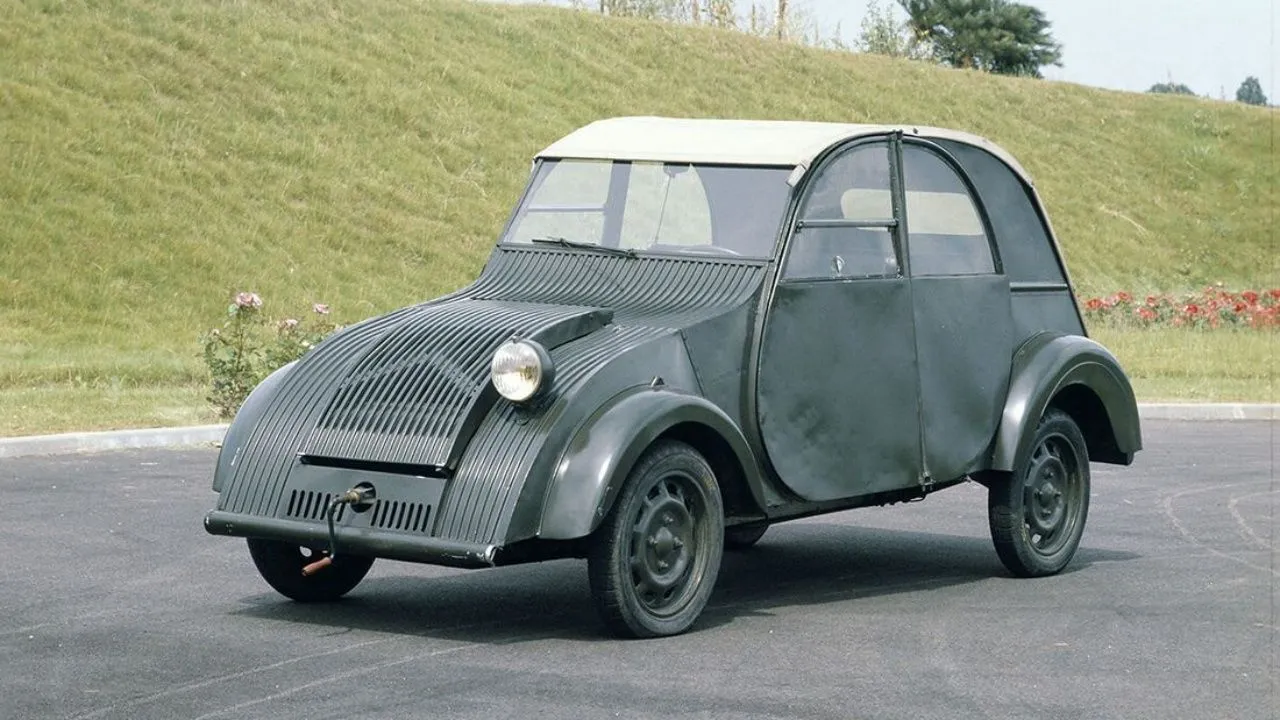
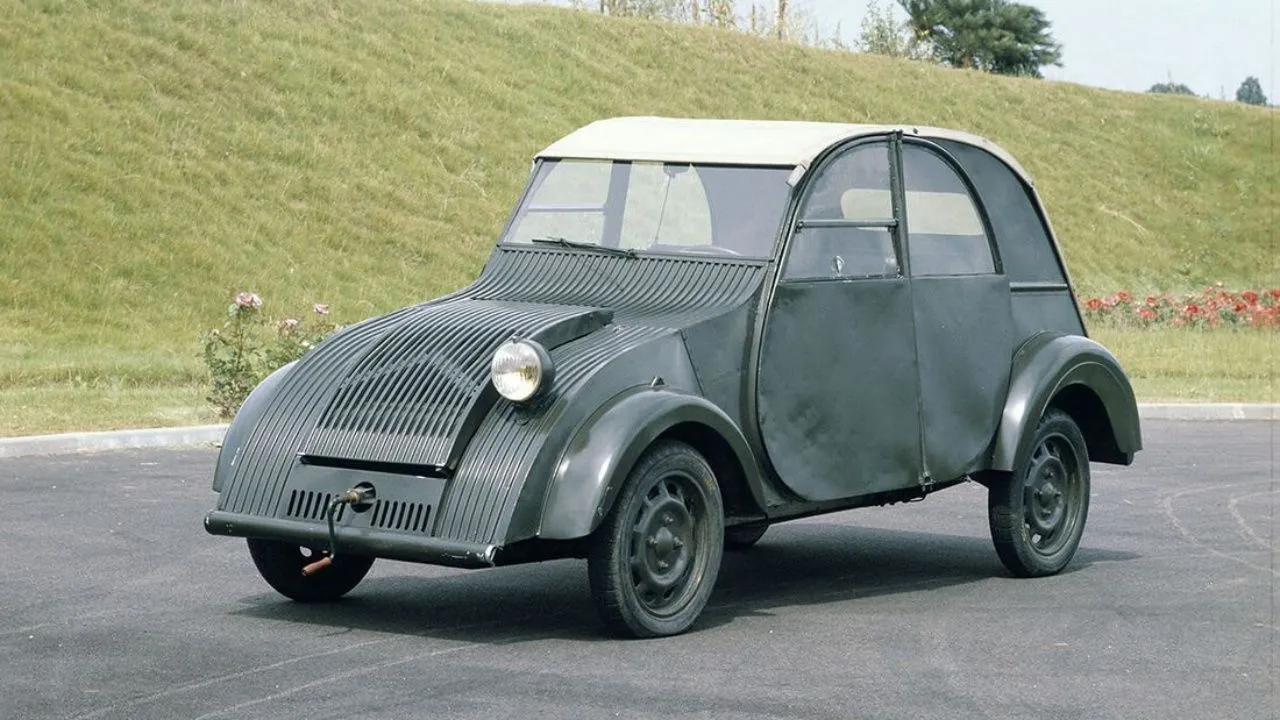
The new 2CV draws inspiration not only from the famous classic from the late 1940s but also from a previous model. Although it was introduced in 1948, the history of the 2CV dates back many years earlier. After Citroën went bankrupt in 1934 and its main creditor, Michelin, took control, the French company began working on the project that would become the foundation of the 2CV: the TPV (Toute Petite Voiture, ‘Very Small Car’).
The new Citroën 2CV will be 100% electric
Citroën’s goal was to create an essential vehicle designed to power rural France. It had to be lightweight, durable, and reliable, easy to maintain, and capable of driving on poor roads. The first prototypes were developed in 1937, and 250 pre-production models were built in 1939 with the aim of introducing the vehicle at the Paris Motor Show. However, the outbreak of World War II ruined these plans, and all the cars were destroyed except for five units that have survived to this day.
The first 2CV differed in many ways from the final model that was released almost a decade later. Although its engine was also a tiny two-cylinder boxer, it was water-cooled instead of air-cooled; moreover, it featured torsion bar suspension, used a duralínox body and chassis, and lacked a starter motor (it was started with a crank).
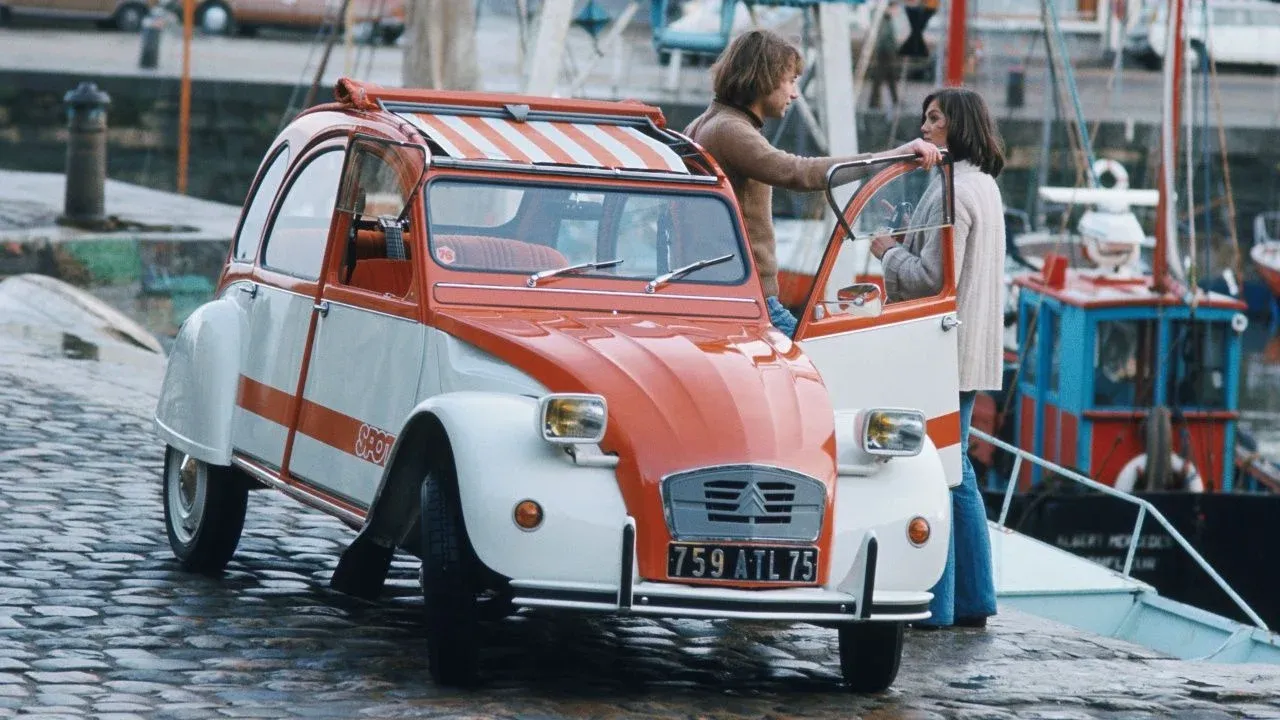
Leclercq reportedly drew inspiration from the extreme simplicity of the TPV to create the new 2CV, which will be simple, affordable, and feature smart solutions. Additionally, the new model will be smaller than the original: while the 2CV was 3.85 meters long, its successor will be 15 to 20 cm shorter.
