
Citroën unveils new 2CV with electric power and classic virtues
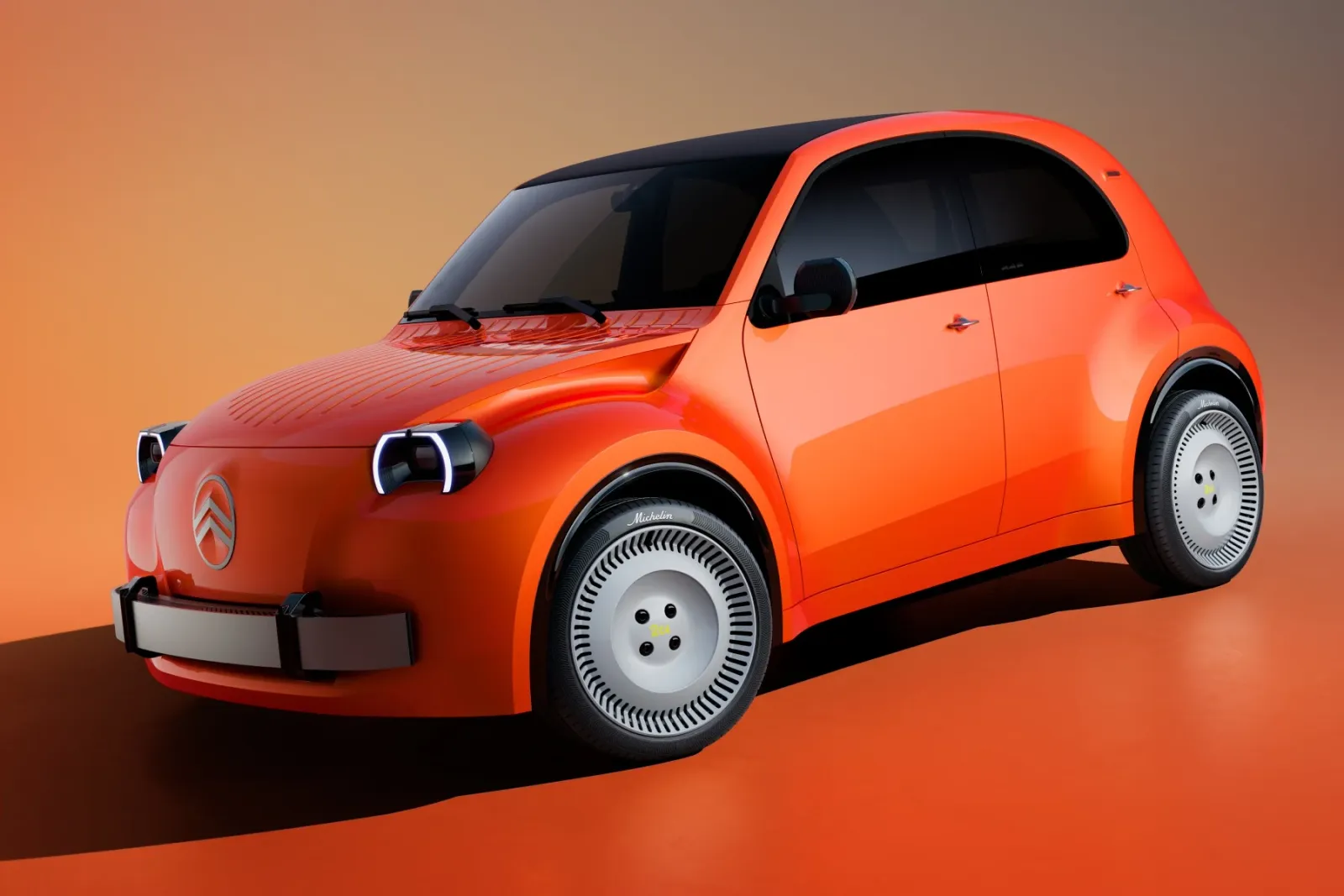
The former success of the Citroën 2CV did not stem from clever marketing or particularly attractive design. It was the versatility, simplicity, and above all, its problem-solving approach to everyday challenges that made it successful. This is precisely where Citroën’s new electric concept car, reinterpreting the 2CV, focuses. Nostalgia plays a lesser role here; instead, it emphasizes returning to the essential elements people need to enjoy mobility in today’s world.
Image: Citroën
The options for electric mobility today are becoming increasingly diverse day by day. More and more electric vehicles tailored to various needs are entering the market, while developers continuously invent new features, gimmicks, and so-called aids to stand out from what already exists. Citroën, however, took a closer look at what has already been available and concluded that it might not be necessary to move away from it at all.
For this reason, the manufacturer introduced the Citroën 2CV Concept at the 2026 Paris Auto Show. The 2CV is making a comeback and is expected to be more needed today than ever: a small car with a practical specification sheet that helps make everyday life simpler and a bit more positive without unnecessary fancy features. How does it achieve this? Citroën designed the 2CV Concept to not include everything that is possible these days, but rather to offer only what truly provides real and tangible value.
Xavier Chardon, CEO of Citroën, describes the philosophy behind the concept as follows: “Reinventing the 2CV doesn’t mean copying a car from the past. It means reinterpreting the qualities that made it unique back then: its simplicity, accessibility, and the freedom it offered its users. With the 2CV Concept, we bring this spirit into the present to make electric mobility simpler, more human-centered, and more desirable. The world has changed, but the idea remains the same: to make life better with Citroën.”
The exterior resembles the historic 2CV.
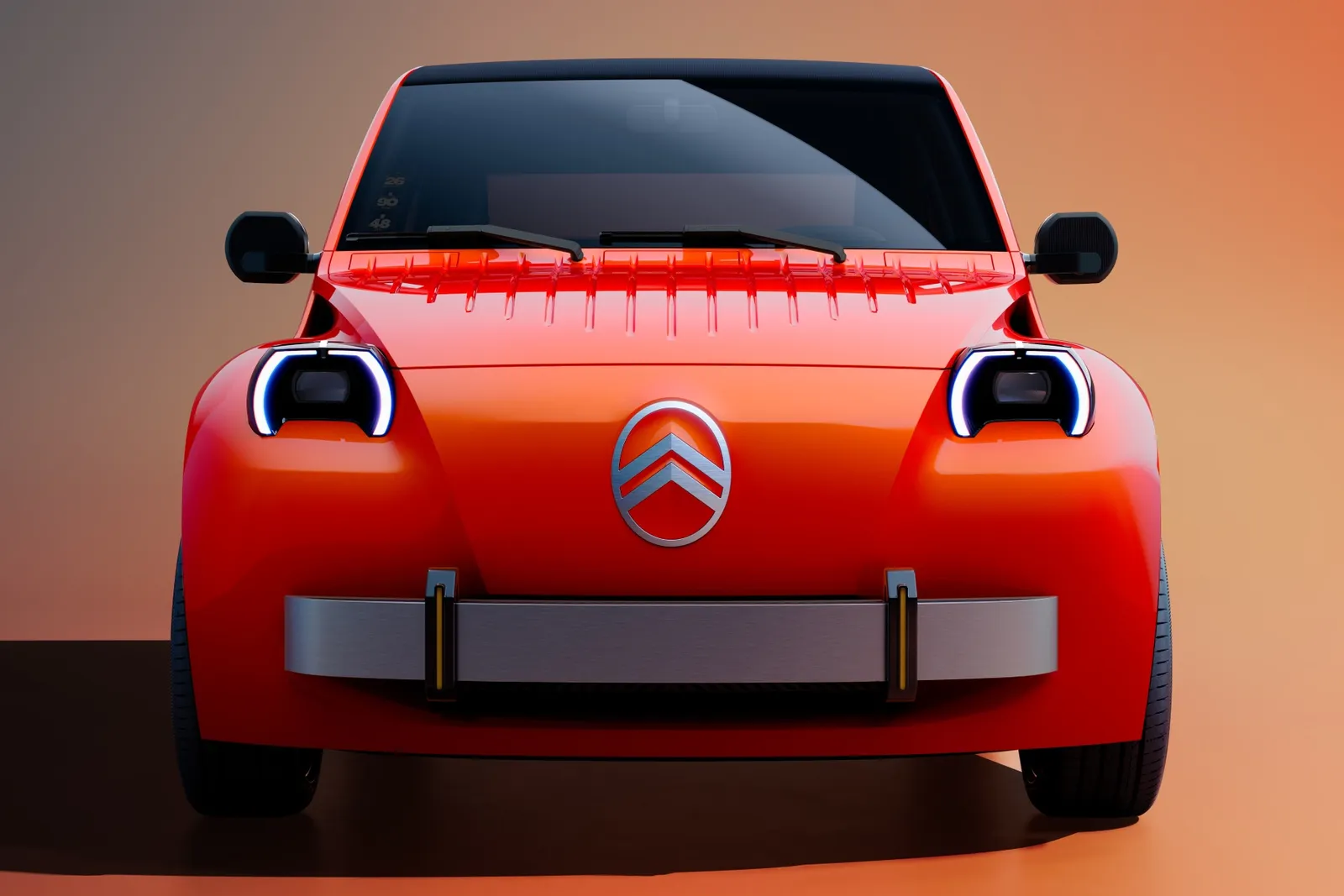
From the outside, its line work and numerous small details echo the 1948 model without fully embracing a retro design. The standalone headlights, slightly flared fenders, and vertical seams on the hood and trunk lid are just a few of the thoughtfully incorporated homages to the Ente.
By drastically reducing unnecessary functions, the new Series 2CV is intended to weigh only about one ton. The folding roof also contributes to weight reduction, visually bringing the concept much closer to the original model. This weight savings are meant to lower operating costs and allow for smaller batteries to provide a practical range for everyday use.
Despite its simplicity, Citroën has also developed a new monitoring system for tires in collaboration with Michelin. The “universal digital tire twin” is a virtual computer model that calculates the current condition of the tire—such as pressure, temperature, and wear—in real time. Using this data, the car detects environmental conditions and automatically adjusts the driving assistance systems to suit the situation. It also enables monitoring of tire condition.
- 1/15
- 2/15
- 3/15
- 4/15
- 5/15
- 6/15
- 7/15
- 8/15
- 9/15
- 10/15
- 11/15
- 12/15
- 13/15
- 14/15
- 15/15
Simplified and practical interior
The interior is kept minimal, making it easy to stay organized. Instead of a cluttered screen landscape and an overburdened multifunctional steering wheel, there are levers, switches, and a small eight-inch central screen with rotary controls. The cockpit display is projected into the driver’s field of view. A tray in the center between the driver and passenger serves as a storage area and, like the radio, features a retro design that allows it to be removed. Referencing the historical specification sheet that outlined safe egg transportation over rough terrain, egg holders are also available in the doors.
The continuous seat bench in the first row is also designed to be removed with a few simple steps and used outside the vehicle. There is also a seat bench in the second row. How much space will be available there in the production version remains to be seen, as the concept car is even shorter at 3.76 meters than the original 2CV. This positions the vehicle between the Ami and C3, not only in terms of dimensions but also in price. Citroën aims for an entry price of around 15,000 euros. The production model is expected to launch by 2028 and comply with EU E-Car regulations (also known as the M1E category). This means it must be manufactured in Europe and cannot exceed 4.20 meters in length. Unfortunately, the 2CV concept car does not yet provide any information on technical specifications.