
Citroën revives the 2CV and promises an electric car for less than 15,000 euros

The French are officially announcing the return of one of the most important models in their history. The new 2CV, which will make its debut as a concept car at the Paris auto show, is set to combine stylistic elements from the iconic “Goose” with electric power and a price below 15,000 euros. The French hope that this car, which enabled millions of Europeans to own vehicles after the war, will once again become a symbol of affordable mobility.
In short:
The French are announcing the return of one of the most important models in their history
The new 2CV will debut as a concept car at the Paris auto show
The model will blend stylistic cues from the iconic “Goose” with electric propulsion
Price? Another affordable model in Europe, under 15,000 euros
Other manufacturers are also tapping into emotional appeal and historical designs
Citroën aims to create a car for “ordinary people” once again
The automotive industry loves legends, but bringing them back rarely succeeds. This time, however, Citroën has decided to revive one of the most recognizable models in European road history. A few days before the opening of the car show in Paris (October 12-18 – note by editor), the brand revealed the first details about the new 2CV, which is set to return as an affordable electric vehicle.
The already released teasers leave little doubt. The designers clearly drew inspiration from the iconic elements of the 1948 model. One can see the semi-circular headlights mounted high on the fenders, the grooved front grille, classic door handles, and the distinctive silhouette with a roof that resembles an umbrella. According to Carscoops, the new vehicle will also retain the proportions and many stylistic details that have defined the famous “Duck” for decades.

Citroën does not hide that it is drawing from its own history. The manufacturer describes the new model as a vehicle that “revives the brand’s icon and brings the spirit of the 2CV to the modern world, making mobility simpler, more accessible, more human, and more desirable.”
Not sentiment, but price
According to AutoNext, the production version of the new 2CV is expected to cost less than 15,000 euros before any extras. This would mean a price point about 5,000 euros lower than the electric Renault Twingo currently available in select markets for just under 20,000 euros. If Citroën can keep this promise by the launch of the series version slated for 2028, it could become one of the cheapest electric cars produced in Europe.
The brand president, Xavier Chardon, deliberately emphasizes the model’s historical significance. During the presentation, he recalled that “in 1948, the 2CV gave millions of people freedom of movement.” Now, nearly eight decades later, it is set to play a similar role in the era of electric mobility. As Citroën’s chief noted, “The new 2CV will democratize electric mobility. It will be 100 percent electric, produced in Europe, and offered at a price below 15,000 euros. It is a true car for people, designed for everyday life,” writes Carscoops.
This declaration fits well into the model’s history. The original Citroën 2CV was unveiled at the Paris Motor Show in 1948. Over 3.8 million units were produced until production ended in 1990. The car was designed to be simple, inexpensive, and practical, with the goal of providing transportation for rural France. Over time, it became one of the greatest symbols of European automotive history.
The new generation is set to be manufactured at Stellantis’ plant in Pomigliano d’Arco near Naples, where the Fiat Panda is currently produced among other models. This project is part of Stellantis’ broader strategy to develop affordable electric vehicles for the European market.
Technical specifications – silence for now
For now, the manufacturer has not revealed the most important technical specifications. It is unknown what capacity the battery will have, what the range will be, or how many seats the car will offer. The French are currently focusing primarily on conveying information regarding affordability and the emotional connection to the legendary predecessor.
And this is where the biggest challenge lies. Appearance alone is not enough. As AutoNext aptly points out, round headlights or a grooved front grille may evoke memories, but the real test will come only when the production version actually reaches dealerships for less than 15,000 euros. After all, it was affordability, not stylistic references, that has been the most important element of the 2CV’s philosophy from the beginning.
The automotive industry has been reviving its legends for years
The return of the 2CV fits into a growing trend of manufacturers turning to their own heritage. In recent years, several icons have made a comeback to the market after decades of existing mainly in the collective memory of automotive enthusiasts.
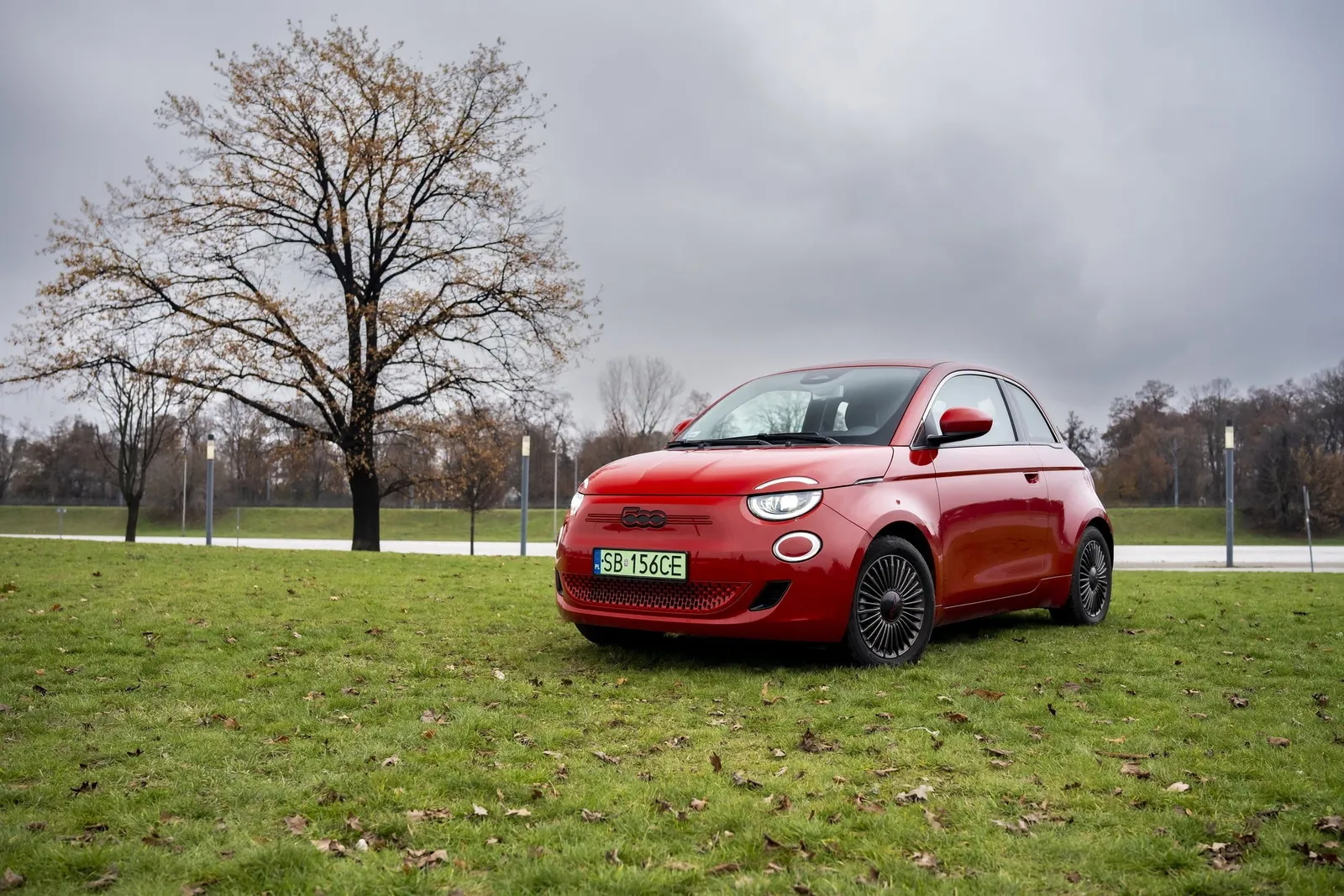
One of the most spectacular examples is the Fiat 500. The Italian brand revived this model in 2007, preserving its distinctive proportions and stylistic ties to the 1957 version. The design was a huge success and served as a model for many subsequent retro reinterpretations.
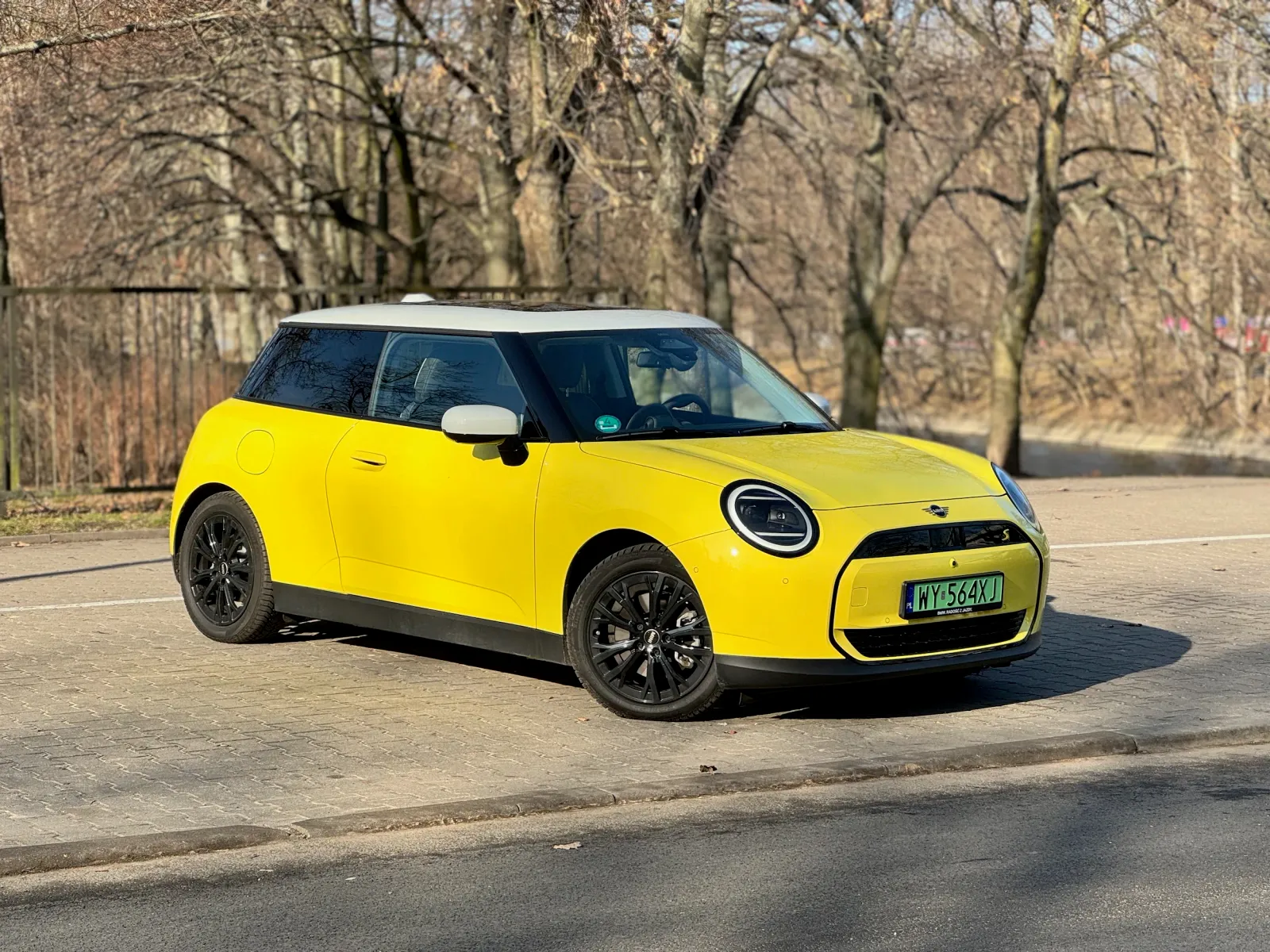
MINI took a similar path. This British legend was revived under BMW’s umbrella, retaining its recognizable design while also incorporating modern technology and contemporary safety standards.
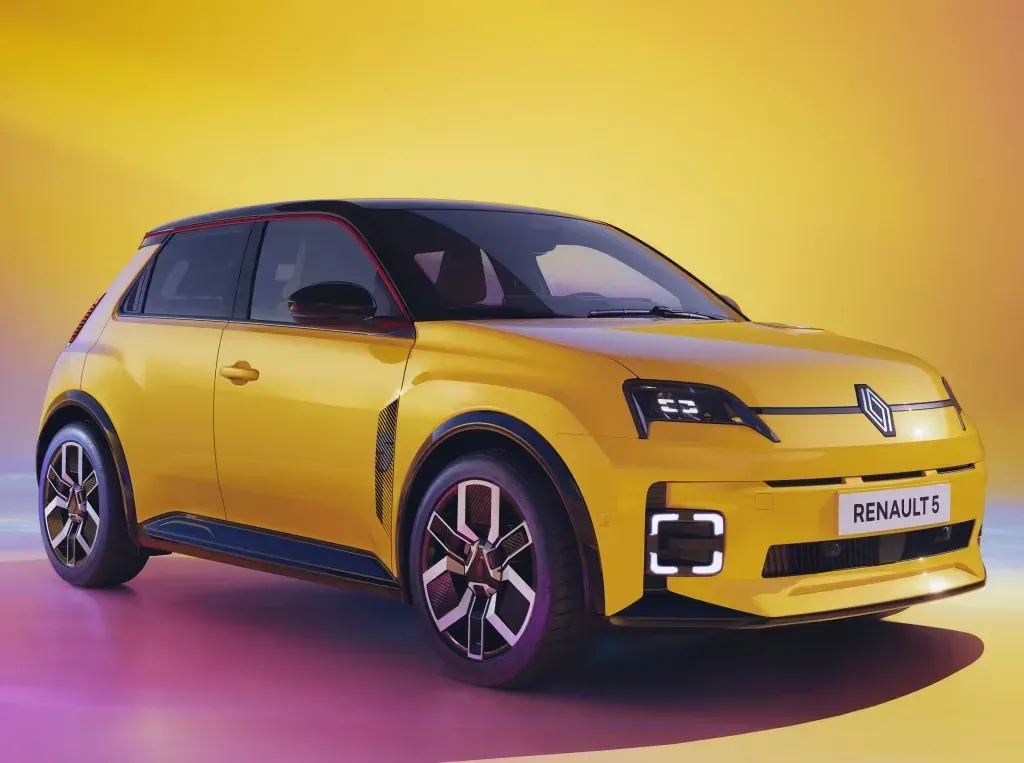
Renault is also increasingly reaching back into its own history. First, it revived the Renault 5 as an electric vehicle, and then announced the return of the Renault 4, which is set to serve as a more practical and family-oriented model in its lineup.
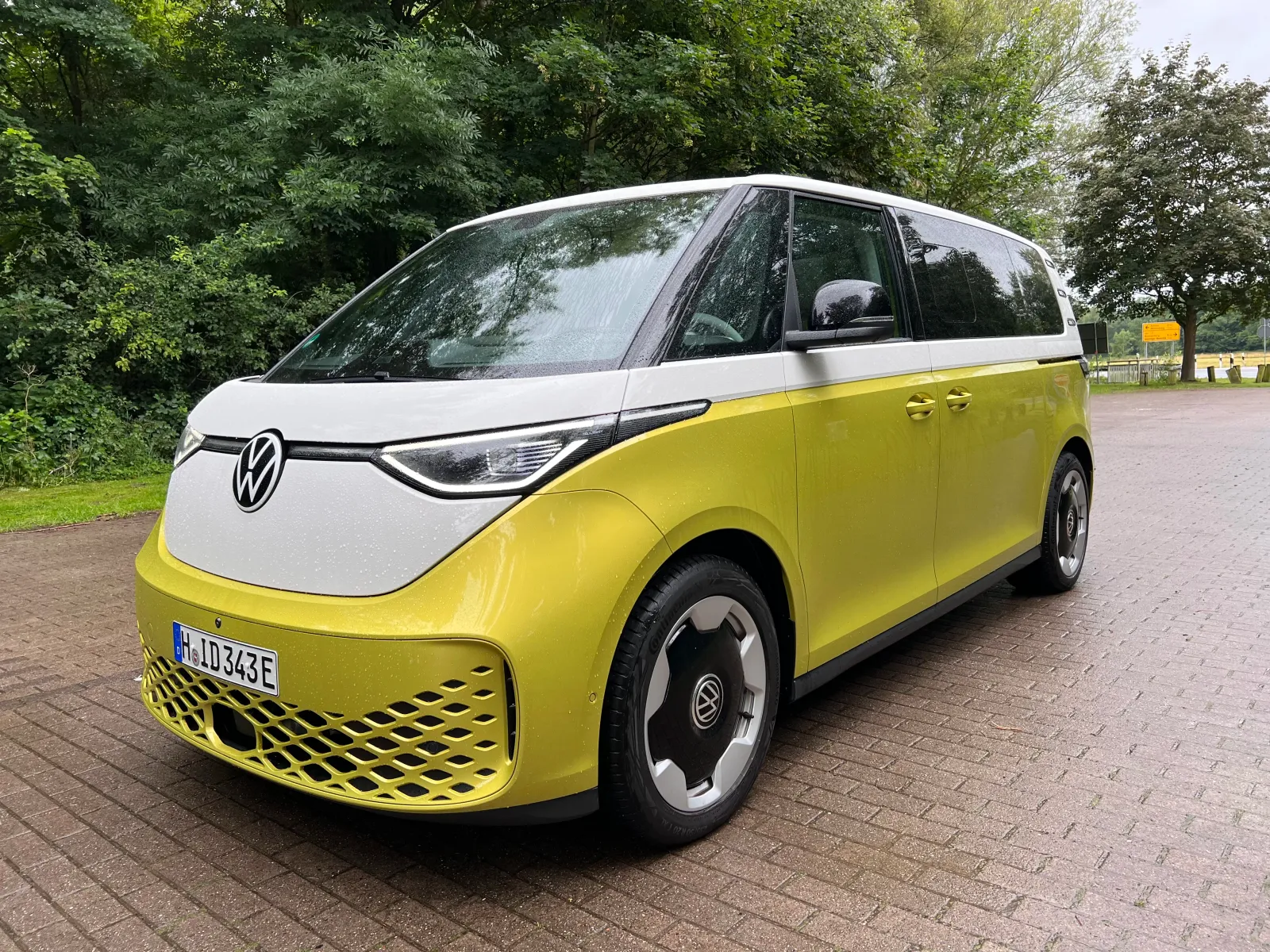
The lineup of revived icons now includes the Ford Bronco, brought back after years as an off-road vehicle inspired by the styling of 1960s models, as well as the Volkswagen ID. Buzz, which in its modern electric form pays homage to the legendary Transporter T1, known as the “cucumber.”
History shows, however, that sentiment alone does not guarantee success. Successful revivals share one thing in common: they manage to capture the spirit of the original while meeting modern customers’ needs. That is precisely why the new Citroën 2CV will be judged not by its chrome details or round headlights, but by whether it truly becomes what its predecessor was—a simple, affordable, and reasonably priced car for ordinary people.
Oskar Włostowski
