
China has agreed to limit hybrid imports to Europe, so as not to suffocate us. But the numbers tell a different story.
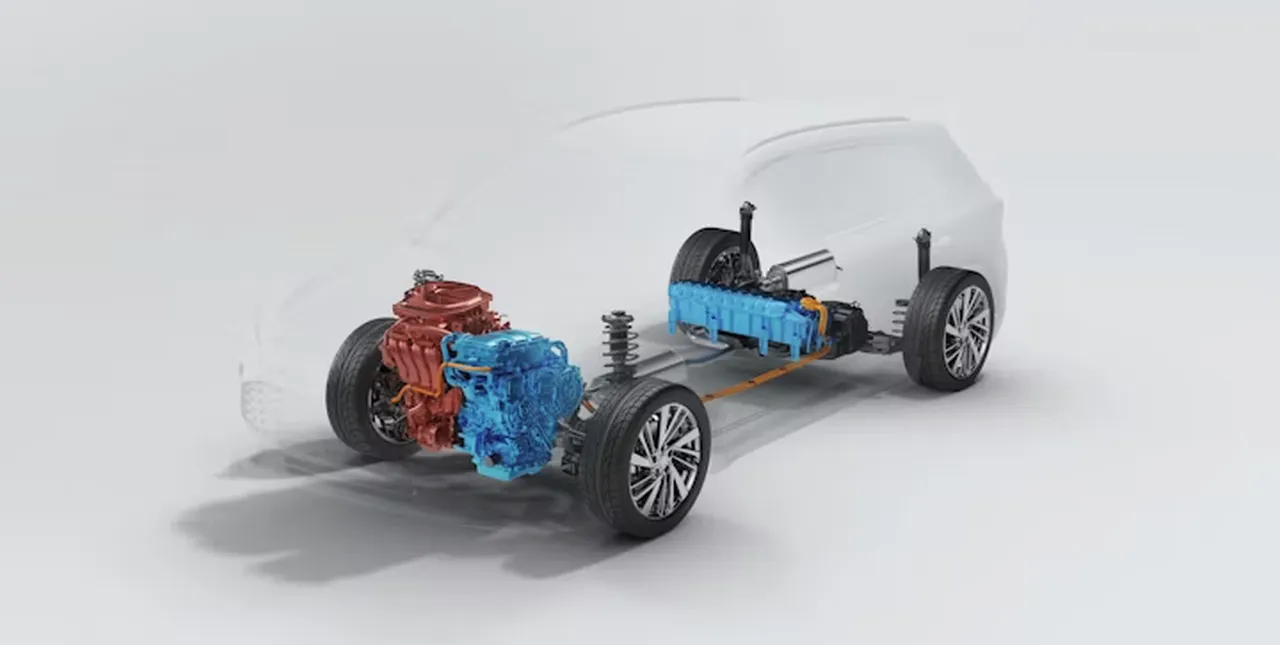
The European Commission has asked China to restrict the export of hybrid cars to the European Union, as these vehicles are gradually flooding the market and starting to strangle local industries. The details of the agreement are not known, but it is officially stated that it applies to all types of hybrids (conventional, HEV, and plug-in, PHEV, including likely EREV as well). China agreed after some pressure, and over the next four years, “a few million fewer” of such vehicles will reach Europe. The figure is surprising given that current average statistics show only 0.6 million “Made in China” hybrid cars per year in the Old Continent.
There will be many more Chinese hybrids in Europe. But still fewer than there could be.
"A few million less" is even more striking when we consider that across Europe, 13.3 million cars of all types of propulsion were sold in 2025: purely internal combustion, internal combustion-electrified (i.e., hybrids), electric, etc. (source). The number of vehicles classified as hybrids (mHEV + HEV + PHEV) totaled 5.84 million, while cars with purely internal combustion engines and no form of electrification totaled 4.5 million.
If this isn’t due to language barriers, we can infer that the Chinese wanted to take over the pure internal combustion engine car market in favor of hybrid engines by offering electrified models at a lower or comparable price to Renault, Volkswagen, or Skoda’s combustion engine vehicles. More importantly: they seem still planning to do so, since they agreed to reduce exports to us by “a few million,” and the European Commission appears to have noticed the sales trends.

Press conference where preliminary details about the agreement were released (c) Europa.eu
The above announcement represents a dramatic shift from the promises just a few months ago, when talks centered on imposing additional tariffs on hybrid plug-in vehicles similar to those applied to Chinese electric cars. This move was doubly harmful to Europe: it signaled strong interest in combustion engine models to Chinese companies, thereby competing with the purchasing preferences of most European customers. Previously, firms from China had largely followed political guidelines, with almost all starting by making a strong push into electric vehicles.
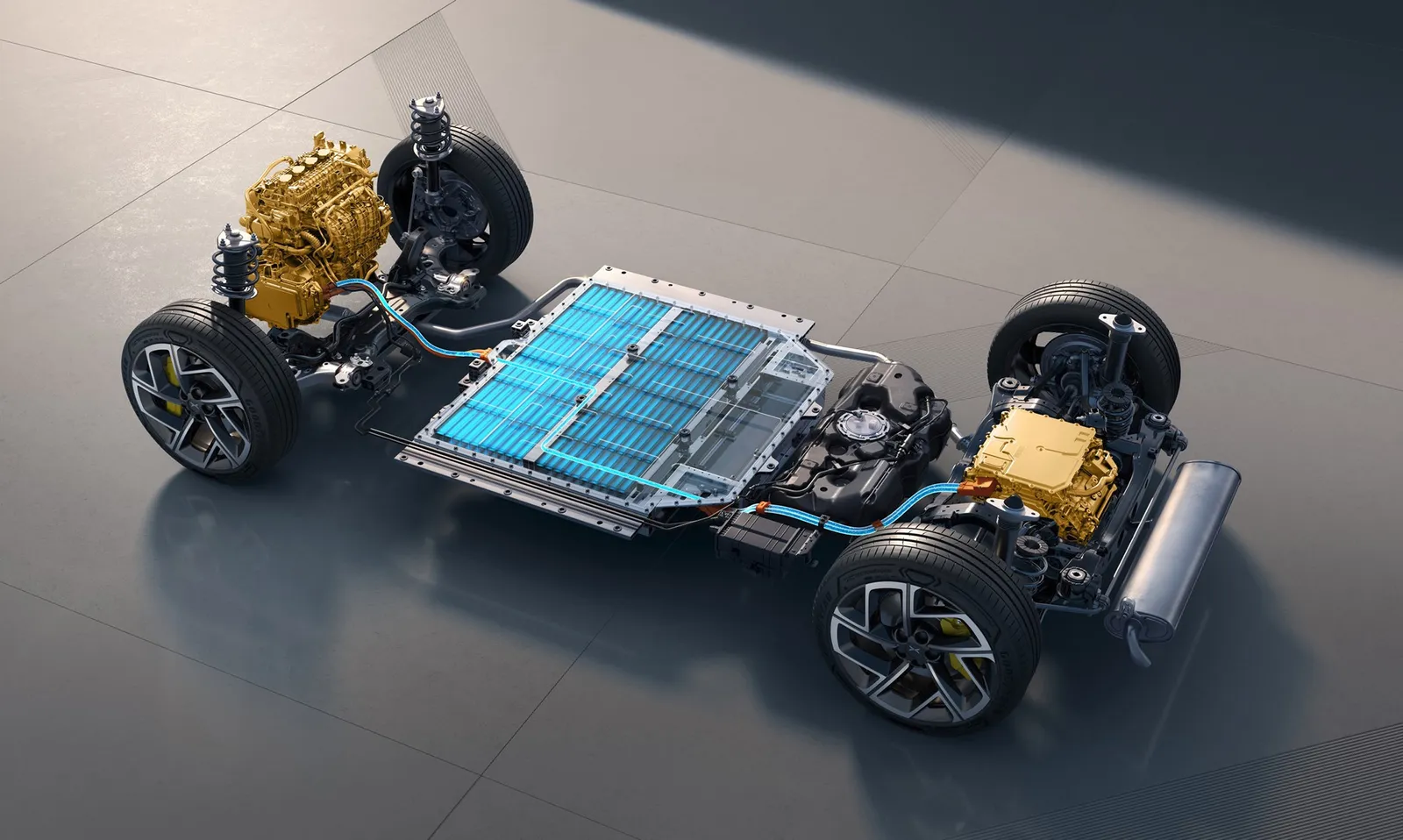
The Xpeng L03 PowerX, a series hybrid with a large battery, where the combustion engine (yellow, on the left) serves only as an electric generator.
Older hybrid models (HEV) “Made in China” accounted for 14 percent of the hybrid market in the first half of 2026 (+600 percent compared to 2024), while Chinese plug-in hybrids already held 25 percent of the PHEV market (+1,150 percent compared to 2024!; source). The agreement between the European Commission and China will now be discussed by the European Council, which consists of the prime ministers or presidents of EU member states.
MG ZS Hybrid+, namely an old (classic) hybrid with a small battery and no plug-in charging capability
Note from Elektrowozu’s editorial team: We are flying to, in, and returning from Paris on Sunday and Monday (10/11–10/12), so posts may be infrequent.
Article rating
Readers’ ratings
[Total: 0 votes Average: 0]
Don’t miss new content — CLICK and FOLLOW Elektrowoz.pl on Google News. You might also be interested in the following ads: