
China wants to limit screens and zero-G seats in cars. Hidden handles will also be removed.
The Chinese Ministry of Industry and Information Technology began consultations in October 2026 on regulations regarding new technologies in vehicles. MIIT is examining adjustable seats, large screens, optical displays, and completely hidden door handles. For now, this is a draft rather than enforceable law.
The Chinese regulator wants manufacturers to stop treating the car interior as a limit-free electronics lounge. The draft focuses on safety, vehicle operation, and how information is conveyed to drivers. Some of the provisions may particularly affect brands that rely on flashy gadgets, such as Xiaomi and companies using Huawei’s HIMA ecosystem.
Seats must not move while driving
The first topic concerns so-called zero-G seats, which spread the passenger’s body in a position designed to reduce pressure on the spine. MIIT also mentions reclining and flat-fold seats. Such designs are supposed to undergo stricter crash tests, tests for protection against entrapment, and reliability trials.
Manufacturers would need to determine where and when the movable functions of the seats can be used. The ministry also proposes banning their use while driving. A striking display when parked is one thing, but the seat belt and airbag must function in the intended body position.
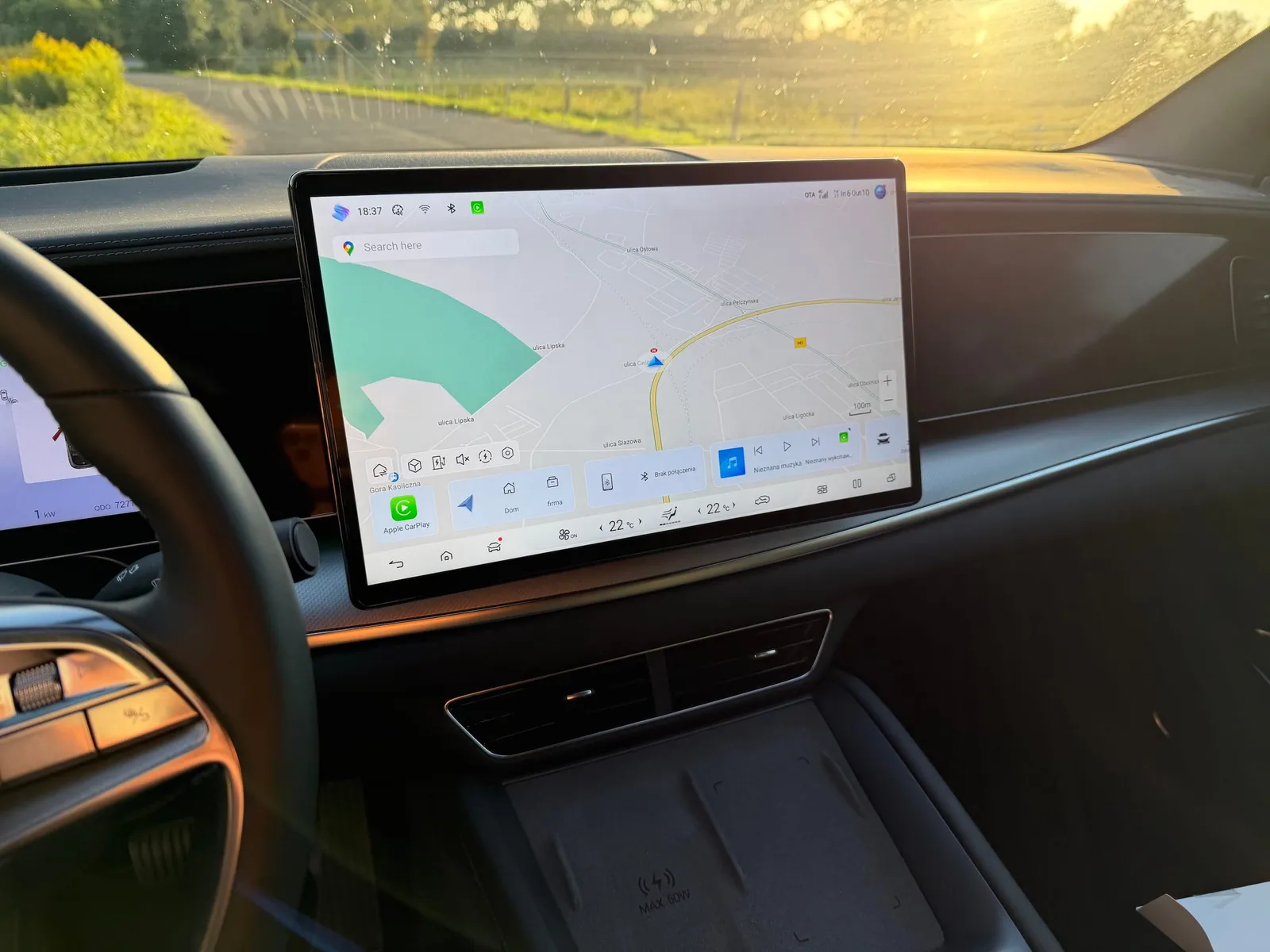
The regulator also examined central multimedia screens, large-area displays, and advanced HUDs, which are systems that show information on the windshield. Manufacturers would need to assess whether these devices distract drivers and how they perform in collisions and extreme conditions. The plan includes a ban on foldable and flexible screens, which could disrupt the plans of brands focused on electronic innovations.
Headlights won’t display everything the driver wants
Another part of the plan relates to exterior lighting. Some Chinese cars are capable of displaying text and images using LED matrices. The MIIT wants manufacturers to moderate such content and control messages entered by users.
This wouldn’t be a completely new approach in China. Some Android smartphones sold in that market filter Wi-Fi hotspot names and Bluetooth devices containing sensitive words. Now, similar controls might be applied to car lights.
The ministry is also revisiting a proposal announced at the end of 2025, following a series of high-profile accidents involving the Xiaomi SU7. Completely hidden door handles would be eliminated, while new designs must maintain a mechanical emergency release and provide enough space for a hand to fit through. The MIIT previously released drawings of preferred designs for exterior and interior door handles.
The consultations have not yet determined the final wording of the regulations or their date of implementation. However, the direction is clear. The gadget will first need to prove that it does not hinder exiting the vehicle, distract the driver, or reduce safety in case of an accident.
LovEV Newsletter
Want more content like this?
Sign up — we’ll send you a weekly summary once the newsletter starts.