
Chinese cars are closing the gap significantly in terms of repair costs
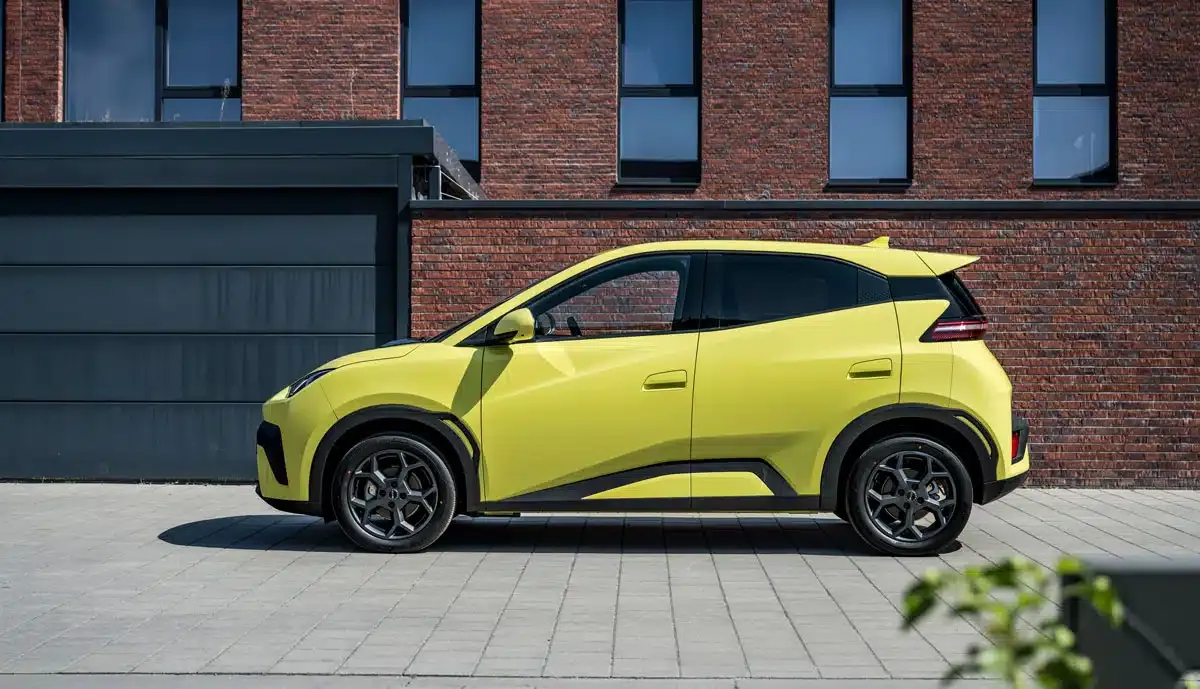
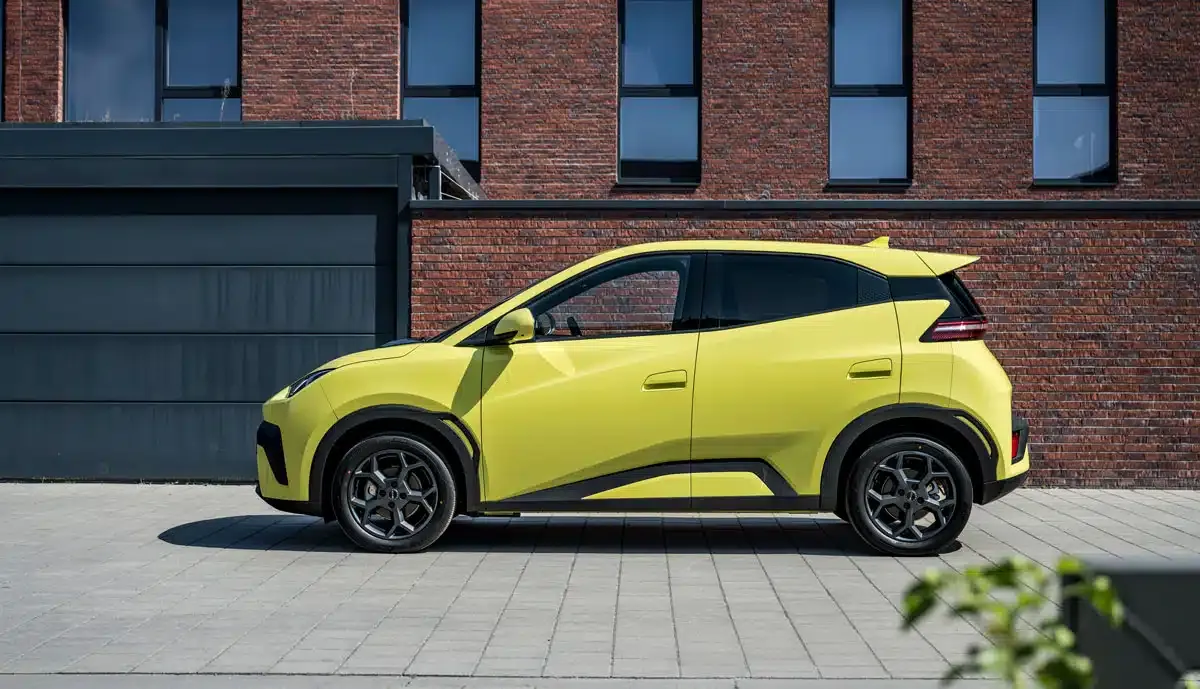
Image: BYD (illustrative)
According to an analysis by Allianz, European automakers are losing their previous advantage in lower repair costs compared to Chinese competitors. The gap in classification into lower insurance tiers has narrowed significantly, reports the Tagesspiegel among others. In 2024, European manufacturers were still three tiers ahead of Chinese suppliers, but by 2026 the difference is only one tier.
According to Christian Sahr, head of the Allianz Center for Technology, Chinese manufacturers have improved by an average of 1.5 type classes. European manufacturers, meanwhile, declined by an average of 0.5 type classes. “A clear trend is already evident: Chinese manufacturers are learning quickly,” said Sahr.
The evaluation was based on the classifications of car models launched in Germany since 2024. A total of 174 models from 2024, 115 from 2025, and 35 from the first half of this year were analyzed. The type classes are determined by the German Insurance Association (GDV), with more expensive cars typically assigned to higher comprehensive insurance type classes.
Sahr explains that European manufacturers seem to be assigning less and less importance to the repairability of their vehicles. This can prove costly for vehicle owners, as the overall cost of a car increases over time. Many customers are unpleasantly surprised by these rising costs if they hadn’t paid attention to them beforehand.
For new manufacturers, the lack of service networks and unavailable spare parts can also lead to higher insurance costs due to longer repair times and more expensive replacement parts. This was the case initially with some Chinese vehicles. According to Sahr, the situation has improved significantly over the past few years, especially among larger manufacturers.
Sahr urges domestic manufacturers to place greater emphasis on repair costs again. “We see the affordability of mobility at risk, and for this reason we advocate for bringing the vehicle class system back into focus as a tool.” He links this call to both the interests of consumers and those of manufacturers.
Also interesting
About the author
Thomas Langenbucher is an expert in electric mobility with professional experience in the automotive and financial industries. Since 2011, he has been covering electric vehicles, sustainable technologies, and mobility solutions for ecomento.de. Learn more.
Reader interactions
