
China aims to mass-produce solid-state batteries by 2030, but CATL casts doubt on this goal: "They are only at level 4 out of 9.
07/10/2026 11:00
Updated to
07/10/2026 11:00
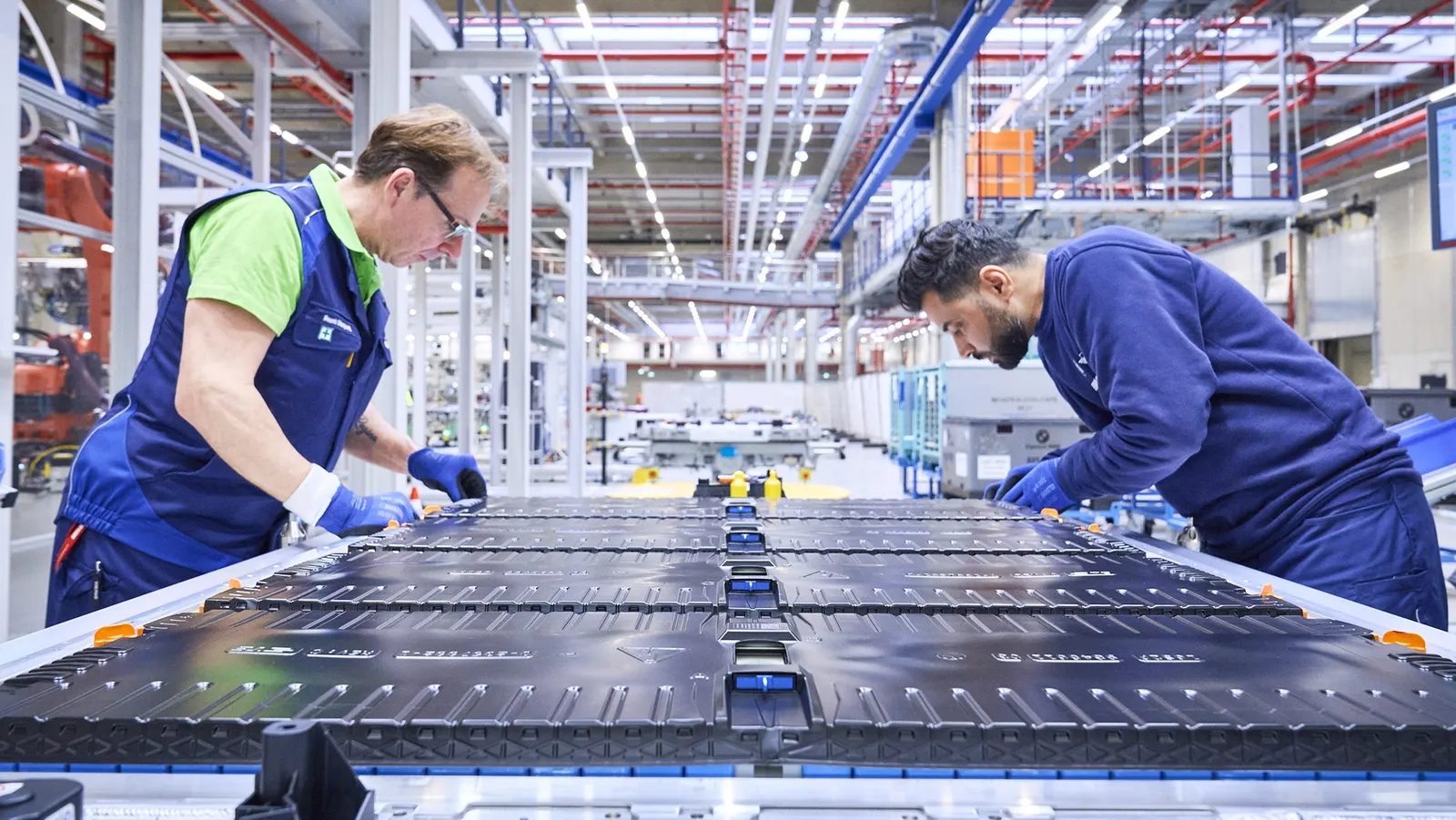
Solid-state batteries have for years been presented as one of the major technological advancements expected for electric cars. Higher energy density, improved performance, and the ability to store more energy are some of their advantages, but translating these benefits from laboratories into millions of vehicles remains a challenging task.
China wants to accelerate that process. A new roadmap for its battery industry, published on September 28th, according to the South China Morning Post, sets a goal of achieving large-scale deployment of solid-state batteries by 2030. However, CATL, the world’s largest current manufacturer of batteries for electric vehicles, has long warned that achieving mass production—and especially doing so at affordable prices—will be much more complicated.
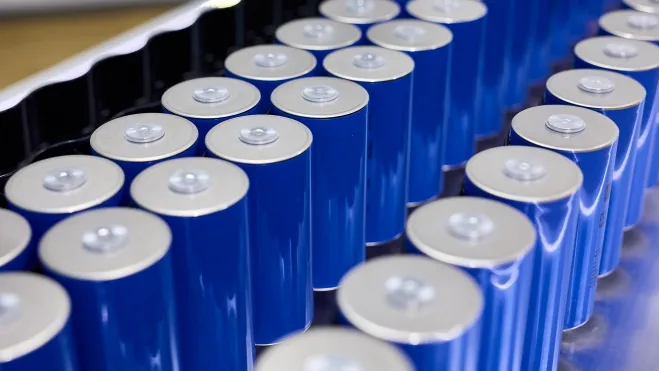
CATL rates solid-state batteries at level 4 out of 9
Zeng himself has also warned that it is unlikely solid-state batteries will reach millions of vehicles before the end of this decade. The main obstacles still relate to their performance, the industrial processes needed to manufacture them, and especially their cost. As a result, 2030 may more accurately represent the beginning of gradual expansion rather than the moment when this technology suddenly dominates the market.
CATL plans to begin limited production of solid-state batteries in 2027, but acknowledges the challenges involved in increasing volumes later on. This view aligns with that of other manufacturers. Robert Lee, president of LG Energy Solution for North America, has also warned about the difficulty of producing large solid-state cells and believes that their first mass applications might appear outside of electric vehicles.
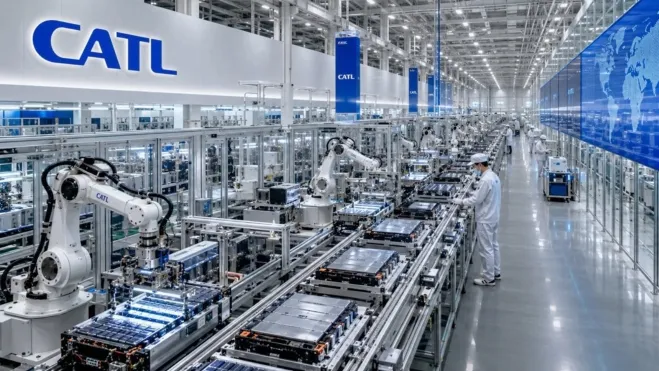
By 2035, they would still account for only 10% of demand
Longer-term forecasts also suggest keeping expectations in check. According to BloombergNEF, solid-state batteries will account for only about 10% of the global combined demand for batteries in electric vehicles and stationary energy storage systems by 2035.
China already has some vehicles using semi-solid batteries, but these are a different technology and their presence remains limited. Their commercialization does not mean that fully solid batteries have overcome the challenges needed for widespread adoption. The challenge is not only to make them functional but also to produce them in large quantities at costs low enough to install them in affordable cars. Getting a solid-state battery onto the production line is a first step. Making it possible to install in millions of cars without driving up prices will be considerably more difficult.
China wants to repeat the dominance achieved with current batteries
However, Beijing has a significant advantage. That is because China possesses enormous industrial and research capabilities in the fields of batteries and electric vehicles. By the end of the previous planning cycle, from 2021 to 2025, the country already accounted for approximately 70% of global electric vehicle production.
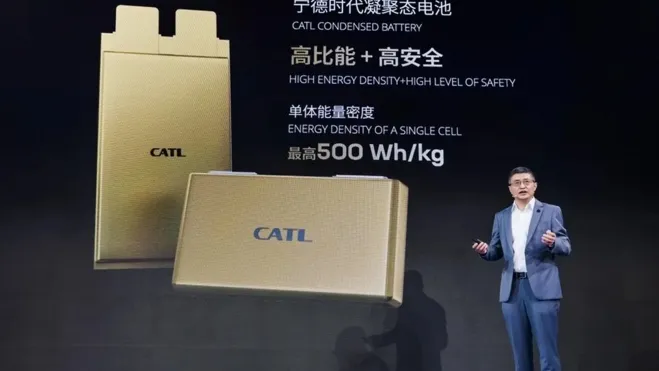
The new 2026-2030 roadmap aims to leverage this position to lead the next generation of batteries as well. The plan is not limited to solid-state batteries, as it also includes the development of sodium and flow batteries, improvements in safety and performance at high temperatures, and higher-quality manufacturing processes. It also envisions long-lasting lithium batteries capable of reaching up to 15,000 cycles, although this goal does not specifically pertain to solid-state batteries.
