
BYD aims to drown battery modules with new technology
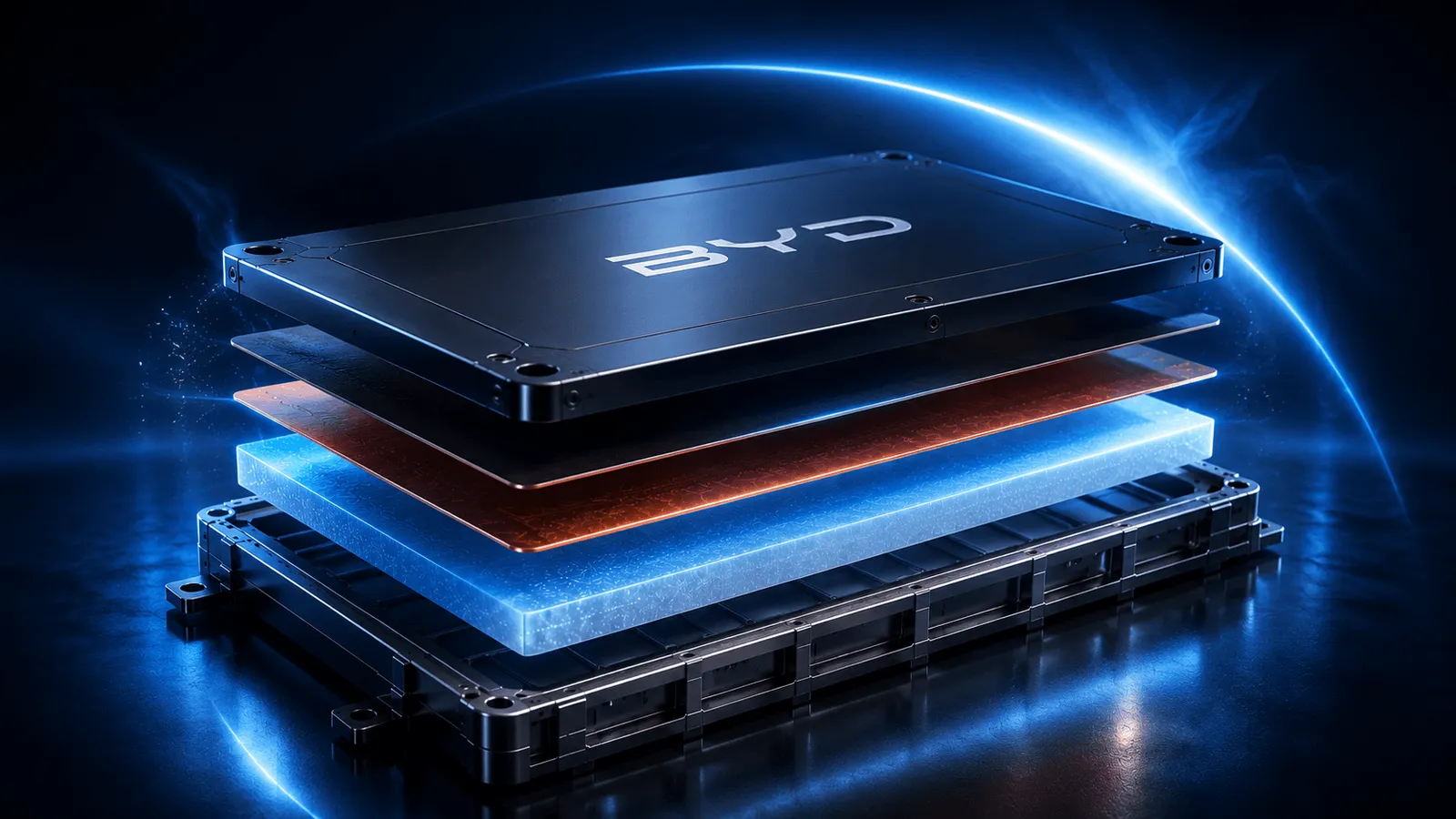
BYD aims to submerge battery modules without getting them wet. The innovation lies in keeping the electronics dry and extending their lifespan.
Drowning a battery is usually the fastest way to render it unusable. But by choosing the right liquid, it can also serve as a cooling method. This is the approach BYD is exploring: submerging the modules in a fluid capable of absorbing the heat they generate, while also acting as an electrical insulator.
We know that batteries heat up when they receive or supply energy. We’ve all experienced this with our smartphones. Managing this heat is essential to preserve the performance, longevity, and safety of these components.
In electric vehicles, this factor is even more critical. Fast charging makes this task particularly demanding due to the high power the system must handle.
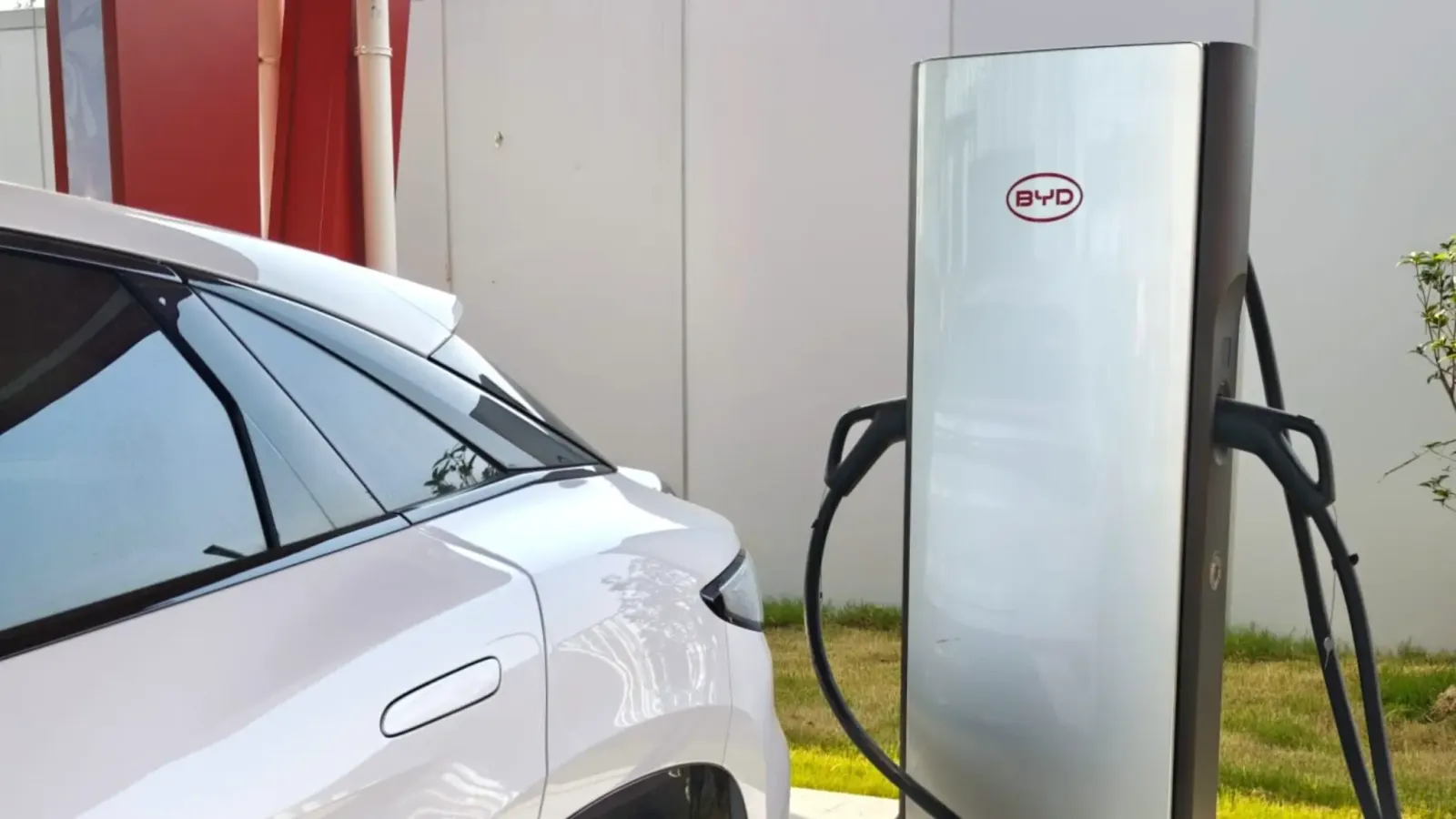
BYD’s new technology aims to reduce these temperature fluctuations and has already been submitted to Chinese authorities for patent registration.
A cooling bath for batteries
In many liquid cooling systems, the fluid circulates within plates placed next to the cells or modules. Heat must pass through these surfaces and intermediate materials before reaching the liquid that carries it away from the system.
For example, CATL placed the liquid cooling elements of its Qilin battery between adjacent cells, increasing the surface area available for heat exchange. Still, the liquid continues to circulate in its own separate circuit, independent of the cells.
In BYD’s proposed immersion cooling method, liquid directly surrounds the battery modules and absorbs heat from their surfaces. This shortens the path between the battery and the cooling medium, eliminating some of the intermediaries used in indirect cooling.
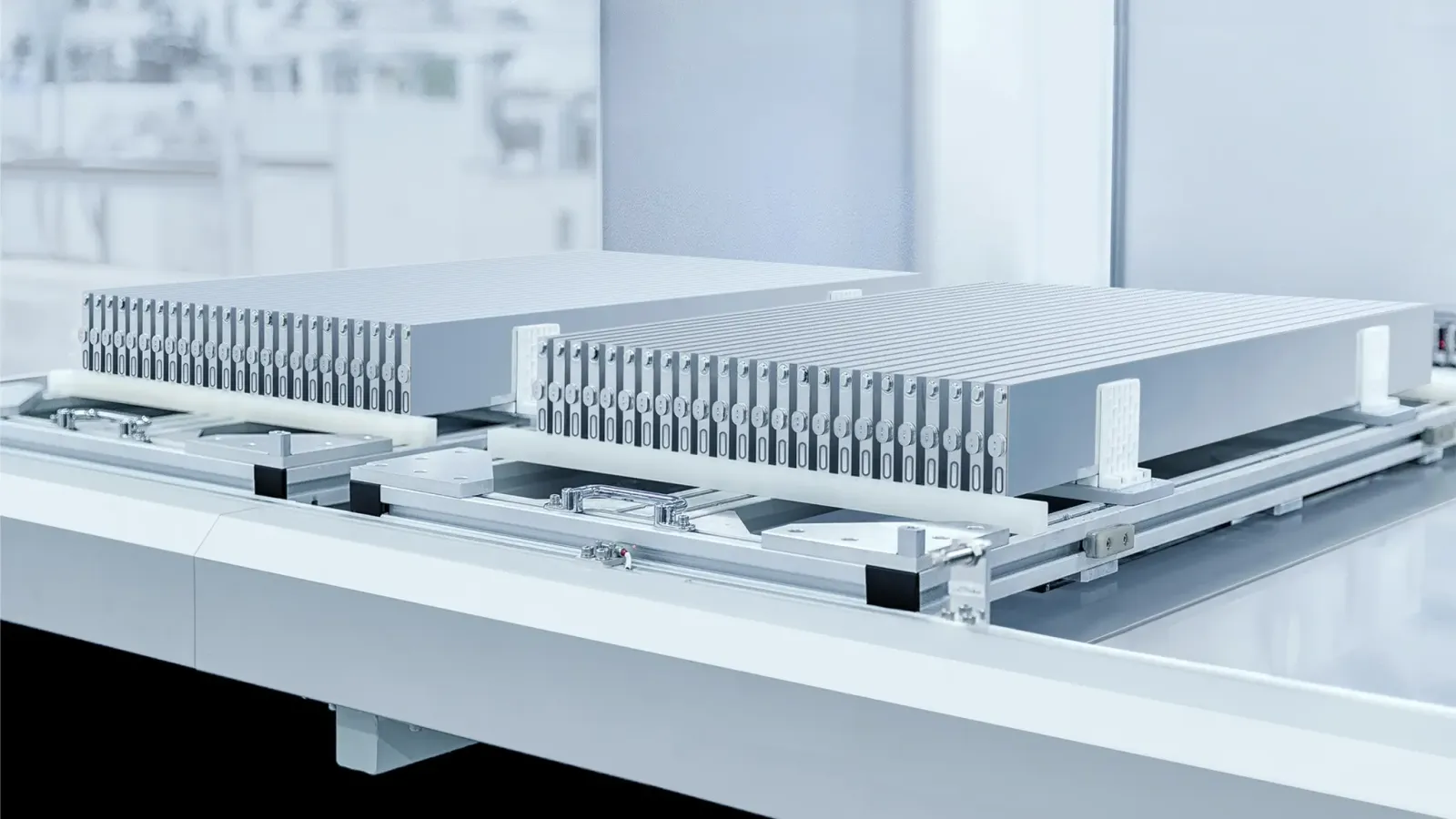
It should be noted that immersion cooling already exists, but it has never been tested in the automotive industry. For now, the document focuses on battery modules and stationary energy storage systems, without specifying any application in cars. However, we know that BYD is constantly seeking new solutions—not even the Porsche 911 GT3 was spared.
SEE ALSO:
No one assembles them this way. Xiaomi introduces new battery technology
Naturally, it’s not water.
That’s where the dielectric fluid comes in, which is fundamental to this system. So what is a dielectric fluid? Basically, it’s a special liquid that doesn’t conduct electricity but can transfer heat and insulate electrical components.
It’s a complex name for a very simple function: removing heat without creating an electrical connection between the submerged components. The liquid acts as an electrical insulator, allowing contact without any type of short circuit occurring.
ADVERTISING
Looking for an electric vehicle?
You’ll find thousands of options here, from the most modest city cars to the most luxurious SUVs.
But giving these battery modules this “bath” required solving another problem. The liquid must be contained, while the equipment designed to operate in a dry environment remains isolated from it. Every passage through the separation between the compartments requires sealing. If such a passage is in an area subject to liquid pressure, it increases the demand on the seals and the risk of leakage.
BYD proposes routing the connections through the top part of the compartment that contains the liquid. By elevating the cable passages, BYD aims to reduce pressure at that point and make it easier to contain the liquid. The principle is the same as what we experience when diving: the deeper you go, the greater the pressure.
