
BYD complained about a tester who was checking the temperature of the Blade II battery. Now an official agency is pursuing him.
James Ma’s CaiShenRoad website conducted tests in May on the battery of the BYD Blade II in a BYD Fangchengbao Ti3 vehicle and found that the cells heated up to 76.4 or even 78.5 degrees Celsius during charging, while the vehicle’s systems reported temperatures around 71 degrees Celsius each time. BYD was not pleased with these experiments, and now the Chinese man is in trouble. China’s Cybersecurity Administration (CPAC) is investigating him for “false product evaluations that affect a company’s reputation.”
BYD vs. Testers
In Poland, or more broadly in Europe, journalists enjoy considerable public trust while the media holds a certain level of respect. Legal actions against them are seen as an overreaction, a practice that is often abused, especially by influencers and livestreamers. In China, companies are not afraid to complain to regulators or the police about actions that damage their reputation. That was exactly the case here: BYD was dissatisfied with the experiments involving the latest generation of Blade 2.0 batteries. CPAC stepped in, handling not only server breaches but also fake content.
CPAC categorized the reported internet users into several groups based on the information they spread. Ma’s portal fell into the fourth group, which “deceived consumers” by “spreading false reviews that harmed the company’s quality or reputation.” Interestingly, this is the only category in which accounts were not automatically suspended. In the three remaining categories (1/ spreading false information or 2/ harming companies by amplifying negative messages and hindering communication, also for the purpose of 3/ gaining financial benefits), all social media profiles were closed.
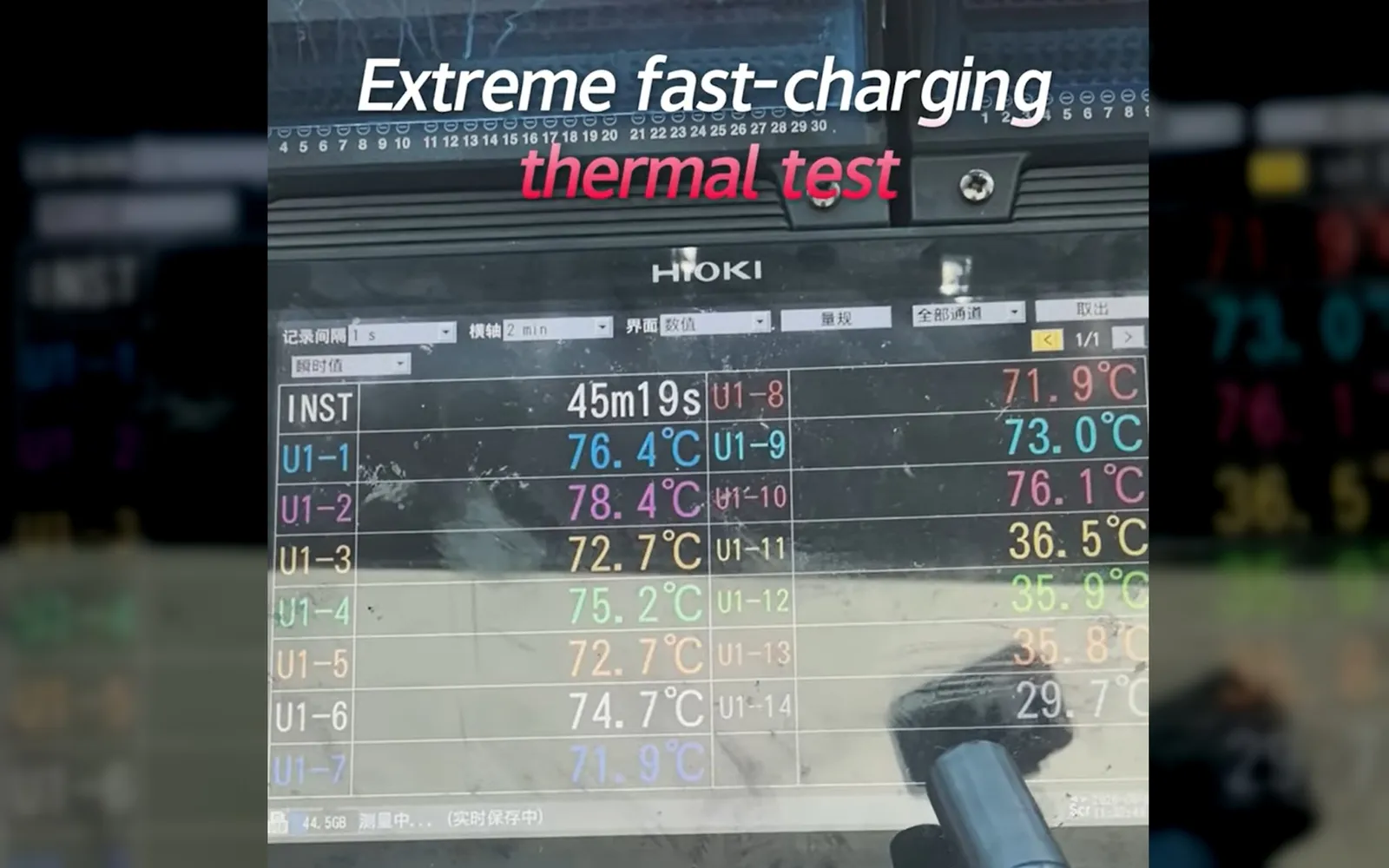
High temperatures of battery cells during charging of Fangchengbao Bao Ti3 (c) CaiShenRoad / YouTube
According to CPAC, Ma failed to conduct a product assessment “in accordance with existing standards and specifications.” He measured the temperature on the surface of the cells, while the vehicle read it at a specific location within the pack. It should be noted that this second method is standard in the industry, but that was not the focus of the experiment. However, rival Geely used these measurements to warn against BYD vehicles, whereas according to the regulator [representing BYD’s position], these results do not determine the overall safety or durability of the batteries.
This is something that’s hard to disagree with.
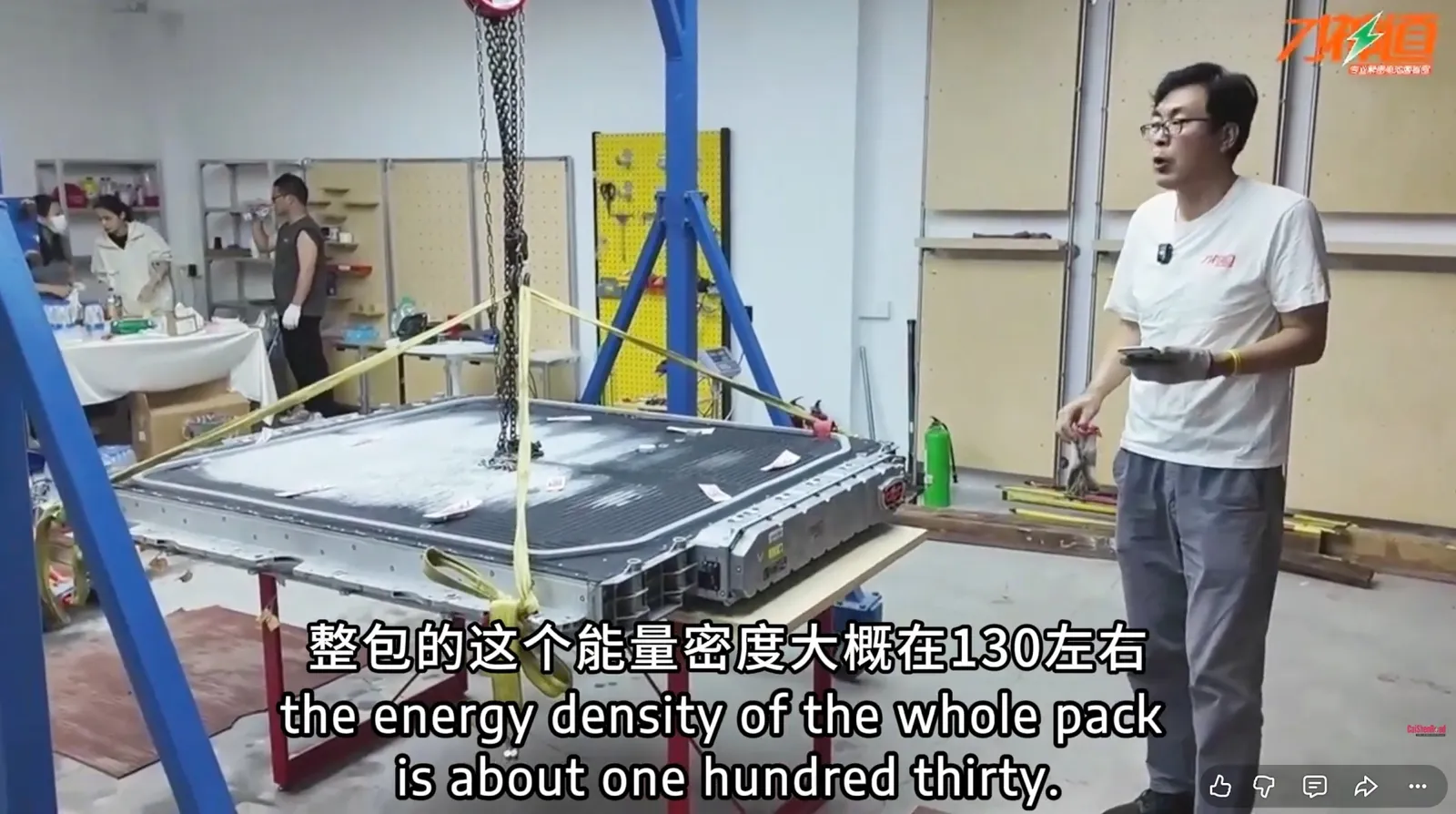
The BYD Blade II battery during disassembly. Fun fact: the energy density at the pack level is 0.13 kWh/kg (c) CaiShenRoad / YouTube
Article rating
Reader Ratings
[Total: 4 votes Average: 4]
Don’t miss new content — CLICK and FOLLOW Elektrowoz.pl on Google News. You might also be interested in the following ads: