
Bosch: High battery costs could shorten the lifespan of electric cars
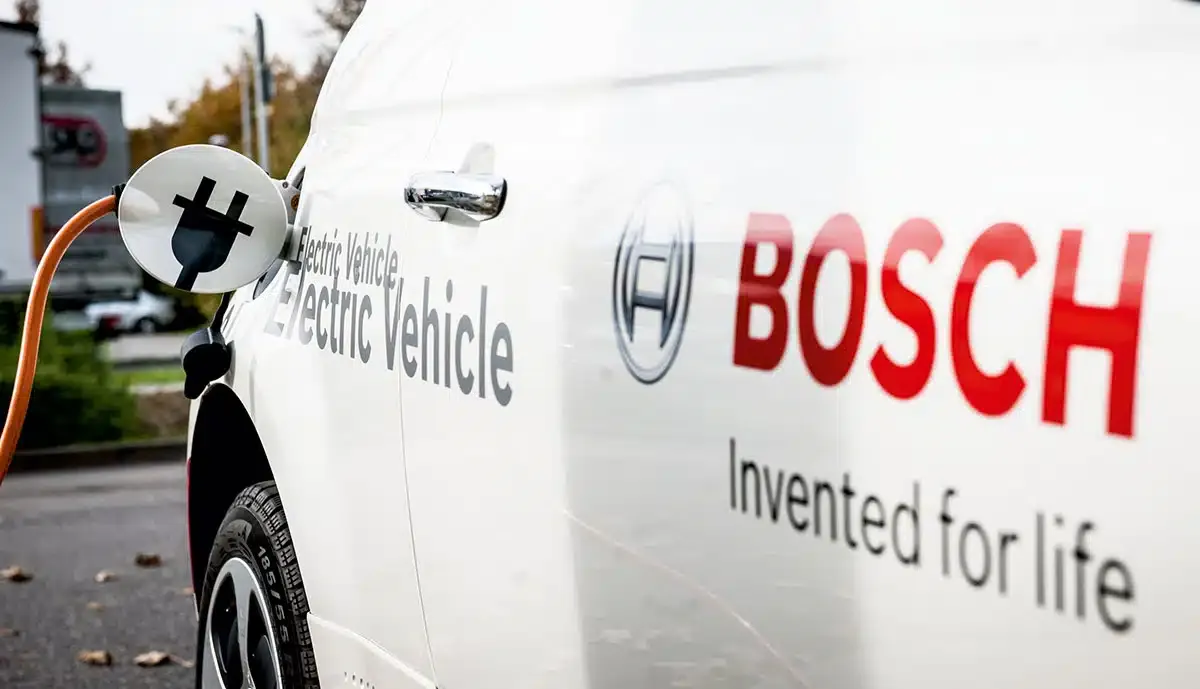
Image: Bosch (illustrative)
Bosch expects declining revenue potential in its service business due to electric mobility. “Electric cars require far less maintenance than internal combustion engines. As a result, we will suffer losses,” said Rupert Hoellbacher, head of Bosch Mobility Aftermarket, to Automobilwoche. Therefore, the current level of earnings will not be sustainable. Companies will need to develop additional revenue sources and business models.
Bosch also sees new areas of work related to electric vehicles. These include battery diagnosis, high-voltage service, thermal management, as well as diagnostics and training. The automotive parts and technology company aims not only to supply individual components but also to integrate components, diagnostics, and training into a comprehensive solution.
The high-voltage battery is particularly important in older electric vehicles. According to Hoellbacher, if the battery in a car that is six to eight years old fails, it is usually considered a total loss at present. Therefore, it is crucial to determine whether the battery can be repaired or replaced economically.
If making battery repairs or replacements more cost-effective does not succeed, Hoellbacher predicts a decline in vehicle longevity. This would represent not only a loss of aftermarket potential, “but also a significant setback for sustainable business practices, as many vehicle components are designed to last much longer.” Bosch already offers repair solutions for high-voltage batteries and has also partnered with PreZero to reuse functional parts from used vehicles or recover raw materials.
Hoellbacher focuses particularly on battery repair. According to him, Bosch has a concept that allows battery cells in certain hybrids to be replaced at relatively low cost. The adoption of such repair solutions depends on them being technically available, economically viable, and reliably feasible for both customers and repair shops.
Even for pure electric vehicles, Hoellbacher sees an economic risk after the warranty expires: A new purchase may currently seem more attractive than repair. Therefore, Bosch’s “Health Check” is intended to provide accurate information about the vehicle and its battery condition. The condition of the high-voltage battery is considered a key factor affecting value and decision-making. Certification solutions are meant to offer greater security to buyers and sellers.
Meanwhile, Bosch is preparing its parts portfolio for changes in the vehicle fleet. The company is already well positioned regarding common service parts and is also collaborating with Chinese manufacturers for more complex components. According to Hoellbacher, developing practical and economically viable battery repair solutions remains crucial for the group in the electric vehicle business.
Also interesting
About the author
Thomas Langenbucher is an expert in electromobility with experience in the automotive and financial industries. Since 2011, he has been covering electric vehicles, sustainable technologies, and mobility solutions for ecomento.de. Learn more.
Reader interactions
