
BMW delivered more electric vehicles again in Q3/2026.
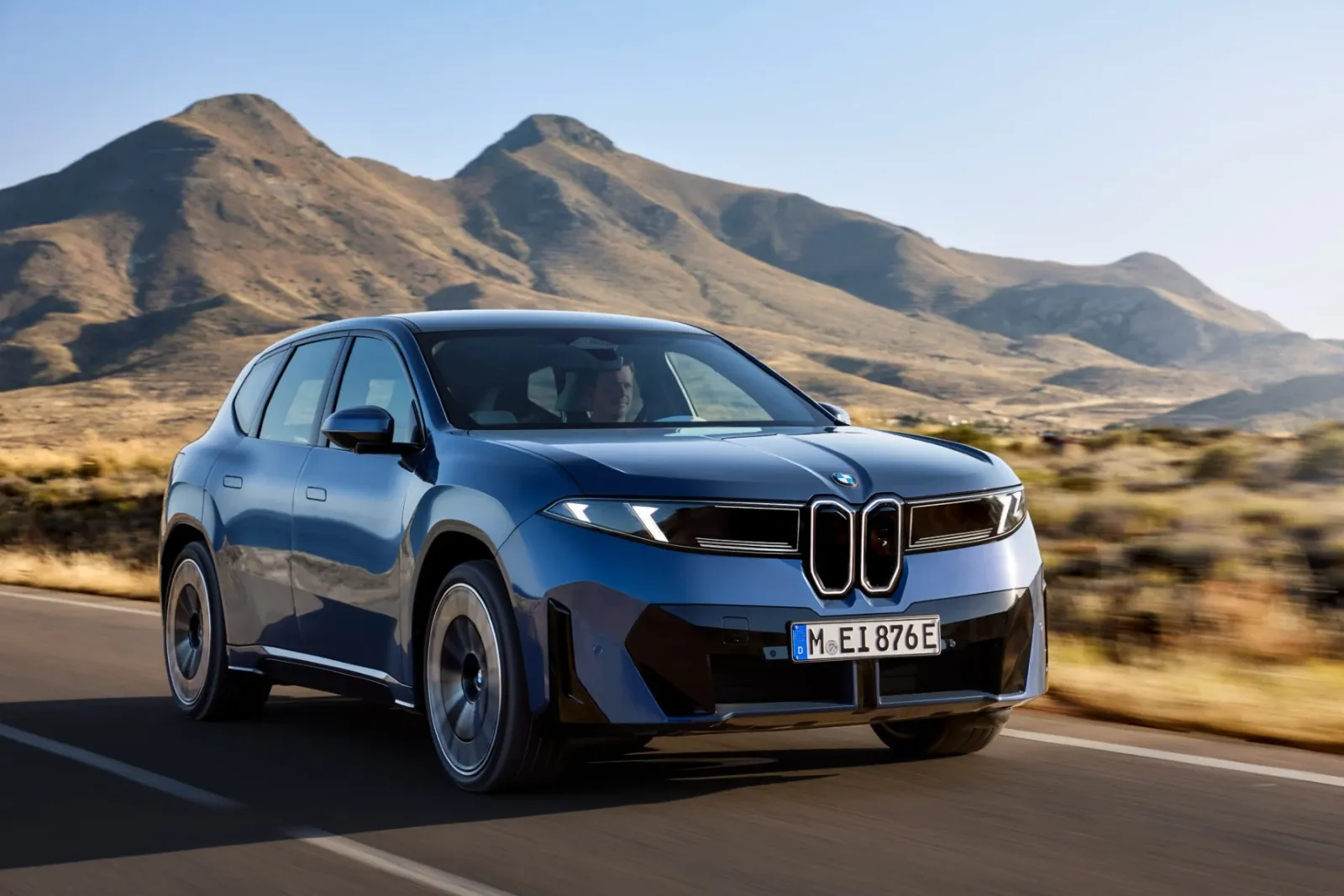
BMW Group delivered 110,257 all-electric vehicles worldwide in the third quarter, representing a 7.2 percent increase from the same period last year. Sales rose significantly, especially in Europe and Germany. However, overall electric vehicle sales for the first nine months still showed a decline.
BMW iX3
Image: BMW
Thanks to this, the Munich-based company was able to significantly increase its electric vehicle sales from July to September compared to the previous year. This indicates a turnaround from the first half of 2026, when BEV sales were 7.4 percent lower than in the first half of 2025.
Meanwhile, there remains a cumulative decline in electric cars for the current year: From January to the end of September, deliveries totaled 314,552 pure electric vehicles — 2.7 percent fewer than in the first nine months of 2025. Additionally, there were 131,650 plug-in hybrids.
When considering deliveries across all vehicle types, this results in a 20 percent share of BEVs in Q3/2026. In other words, between July and September, one in five cars delivered by BMW was an electric vehicle. For the current year, the share from January to September is 18.4 percent.
BMW sees strong electric car growth in Europe
The electric vehicle business grew particularly strongly in Europe. In the third quarter, BMW Group delivered 81,941 all-electric vehicles there, representing a 37.5 percent increase. In Germany, sales of electric cars rose by 38.5 percent. As a result, more than one in three vehicles delivered by BMW Group in Europe were pure electric cars: the BEV share was 34.7 percent in the third quarter. These figures include the BMW, Mini, and Rolls-Royce brands.
Mini also made a significant contribution to the electric vehicle segment: it increased its total sales by 6.8 percent to 220,247 vehicles in the first nine months. Fully electric models (Aceman Electric, Cooper Electric, Countryman Electric) accounted for 37.2 percent of sales. Although BMW Group does not provide an exact figure, this roughly translates to around 82,000 Mini electric vehicles sold in the first three quarters of the year. Thus, electric powertrains already account for a substantial portion of Mini’s deliveries.
The overall sales figure for the BMW Group shows a weaker performance. From July to September, the company delivered 551,072 vehicles worldwide across all propulsion types, 6.3 percent less than in the previous quarter. Since the start of the year, total sales have reached 1,707,799 vehicles, a decline of 4.9 percent. China remains the main issue: deliveries in this market dropped by 24.8 percent in the third quarter and 21.8 percent in the first nine months. In contrast, BMW managed to see growth in Europe and the U.S.
High demand for BMW iX3
"In a globally challenging market environment, we have performed well in Europe and the USA. In particular, the continued strong demand for fully electric vehicles confirms our strategic direction. The BMW iX3 is driving significant growth in the market, while we are also seeing high customer interest in the new BMW 3 Series and BMW X5," says Sales Director Jochen Goller. "The product momentum from models of the new class, or rather, with new-class technologies, strengthens our position to meet upcoming challenges."
BMW expects momentum for its electric vehicle business to come from its Neue Klasse electric platform, introduced this year with the BMW iX3. The iX3 has received over 100,000 orders in Europe alone within a year, and its sibling model, the all-electric SUV coupe iX4, was recently unveiled. The Chinese version of the new iX3 is set to launch in November to drive change in that market as well. Meanwhile, the electric sedan i3 also just entered the market.
Compared to other German automakers, BMW’s share of electric vehicles at 20 percent is high globally. In the Volkswagen Group, only one in eight vehicles delivered in the third quarter was an electric car. Although the group’s BEV sales increased by 19.6 percent in Europe, they declined by 4.7 percent worldwide. At Mercedes-Benz, the share of electric vehicles in its passenger car business was 16.8 percent in the third quarter—meaning one in six vehicles was a fully electric car. The Stuttgart-based company sold 68,400 all-electric passenger cars globally, 61 percent more than in the same period last year.