
BMW invests over €100 million in e-motor production in Steyr
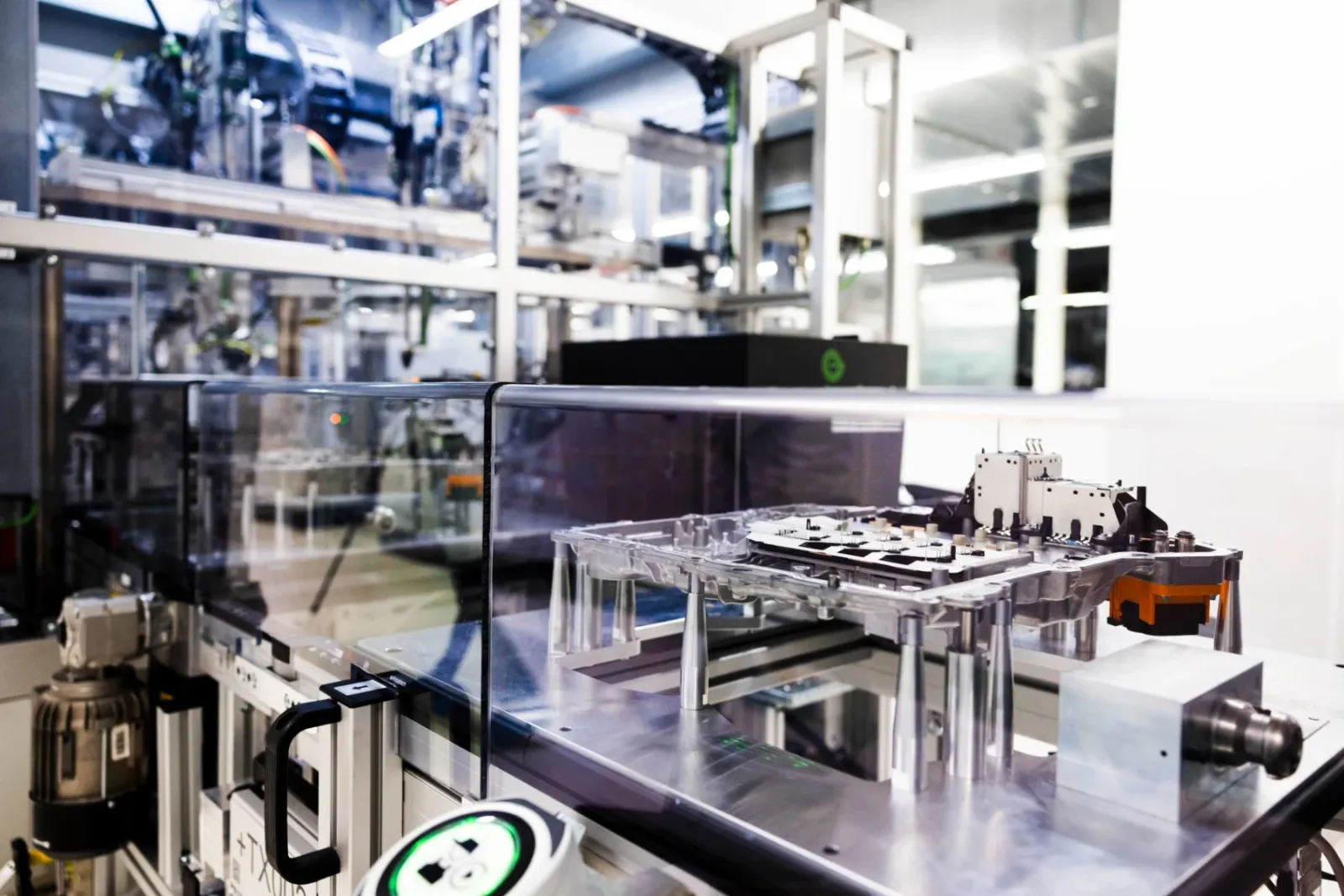
BMW plans to establish state-of-the-art production of power electronics and inverter components at its plant in Austria by 2029. This initiative aims to strengthen the technological expertise of the Steyr plant, increase value creation within the company, and further anchor key know-how for electric mobility in Austria.
Image: BMW
By the planned start of production in summer 2029, BMW aims to invest more than €100 million in a new manufacturing facility for inverter power module components. The plant will install the required extra production steps for the Gen6 electric motors introduced in February 2025 for Neue Klasse electric cars, which are already being produced on two lines in Steyr. This will consolidate more value creation at the site, as BMW announced on Tuesday.
At the heart of this is the power module that BMW describes as the core component of the inverter (also known as a converter). In the future, the site will be responsible for both the upstream supply chain and assembly of this component. This will expand the plant’s expertise in electrical engineering and make it more flexible in sourcing critical components.
Harald Gottsche, Managing Director of BMW Motoren GmbH, states: “With our entry into electric drivetrain production, we have demonstrated that we master transformation in Steyr. By manufacturing the power module in-house, we are now delving even deeper into electrical engineering and can flexibly source components such as semiconductors on global markets. This improves our competitive position and reduces dependencies in a geopolitically sensitive technology field.”
Inverter controls power to the electric motor
The inverter is a central component of the electric drivetrain. It converts the direct current from the high-voltage battery into alternating current, which is required by the electric motor. It also controls the energy transfer between the battery and the motor. Its performance and efficiency influence how effectively the electrical energy can be utilised in the vehicle.
The power module forms an essential part of this power electronics system. It contains power semiconductors that rapidly switch high electrical currents and voltages. In simple terms, these components regulate how much electrical energy the motor receives. Efficient design can help reduce conversion losses and ensure the drivetrain’s performance.
BMW is setting up an assembly line in a cleanroom for the new production, along with the associated infrastructure. According to the company, the assembly of the power module’s ten individual parts will utilise large-area soldering and ultrasonic welding for the first time within the BMW Group. The company aims to build new manufacturing competencies and integrate the complex assembly more deeply into its own production.
Steyr expands its role in electric drivetrains
This investment marks BMW’s continuing transformation of the plant. The German luxury carmaker says the site has been systematically developed into a central production hub for electric mobility within the global manufacturing network since 2022. Currently, BMW in Steyr is ramping up production of the Gen6 electric motors for the Neue Klasse. At the same time, the plant remains an important location for internal combustion engines and Steyr continues to supply more than one million petrol and diesel engines annually to the BMW Group’s vehicle plants.
In-house production of the power module is also supposed to make the procurement of components such as semiconductors more flexible. BMW Managing Director Harald Gottsche justifies this step by citing an improved competitive position and reduced dependencies in a geopolitically sensitive technology field. The company did not disclose how many additional jobs will be created by the investment. According to BMW, around 4,700 people are currently employed at the site.
Historical connection to Steyr-Daimler-Puch
The BMW plant in Steyr was founded in 1979 as a joint project between BMW and the Austrian Steyr-Daimler-Puch AG. In 1982, BMW took full control of the site. The former Steyr-Daimler-Puch AG is also part of the industrial history behind two other companies with similar names: Magna Steyr, which today manufactures complete vehicles on behalf of other manufacturers such as Mercedes-Benz, GAC or Xpeng, is based in Graz. In contrast, the current Steyr Automotive plant was temporarily owned by MAN and now also operates as a contract manufacturer of commercial vehicles for other customers, including an E-truck for SuperPanther and diesel and electric trucks for Sinotruk.