
BMW is investing over 100 million euros in electric motor production in Steyr
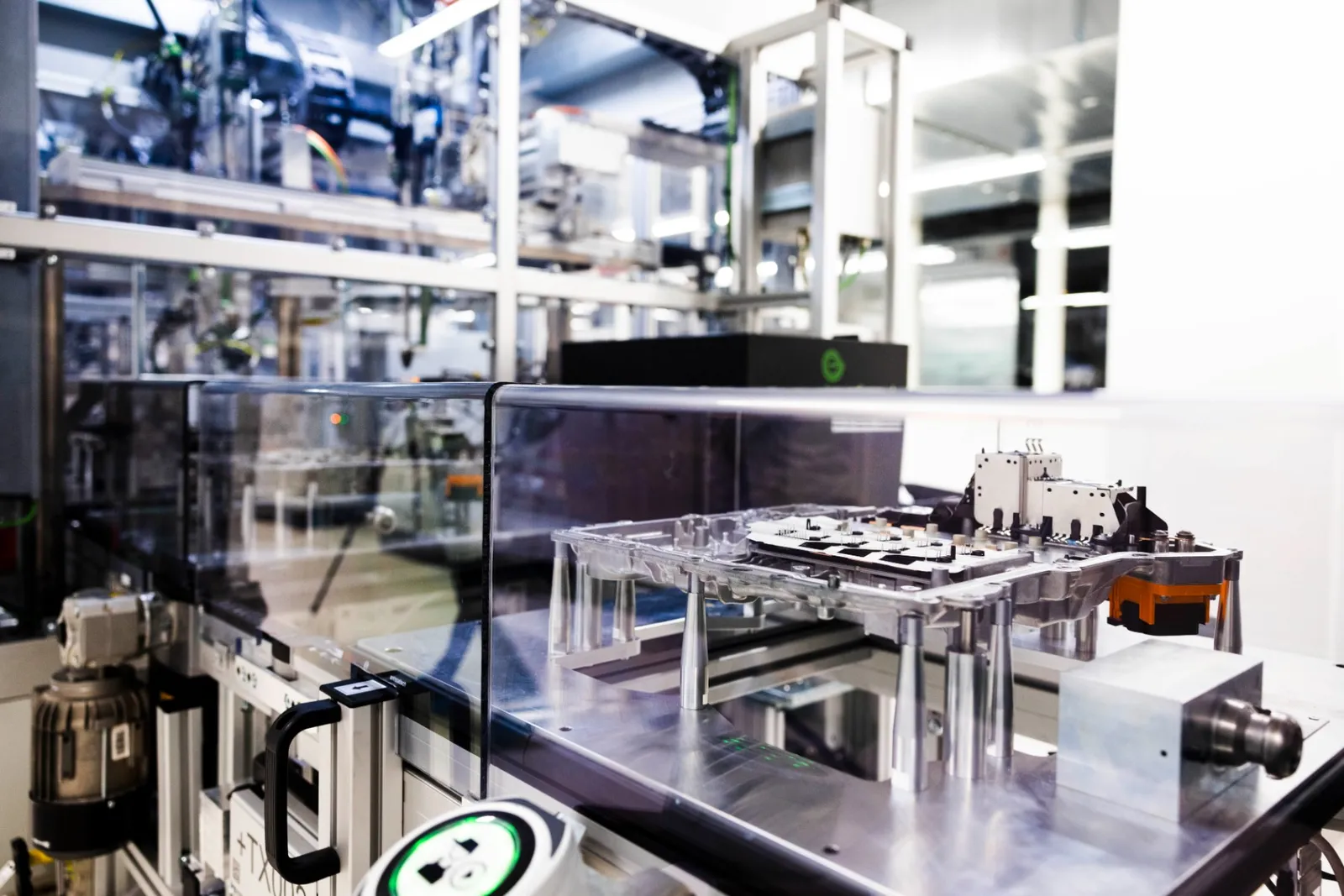
In the plant in Austria, BMW plans to establish a state-of-the-art manufacturing facility for power electronics and inverter components by 2029. This is intended to strengthen the technological capabilities of the Steyr site, increase value creation within the company, and establish further key expertise in electromobility in Austria.
Image: BMW
The company plans to invest over 100 million euros in a new manufacturing facility for power module components of inverters by the scheduled start of production in summer 2029. This plant will take on additional production steps for the Gen6 electric motors introduced in February 2025 for vehicles of the new class, which are already manufactured on two lines in Steyr, aiming to consolidate more value creation at this location. BMW announced this on Tuesday.
The focus is on the power module, which BMW describes as the core of the inverter. In the future, this site will be responsible for both the upstream supply chain and the assembly of this component itself. By doing so, the plant will expand its expertise in electrical engineering while also becoming more flexible in sourcing key components.
Harald Gottsche, CEO of BMW Motoren GmbH, said, “By entering the production of electric drives, we have demonstrated our expertise in transformation at Steyr. By manufacturing the power module in-house, we are now delving deeper into electrical engineering and able to procure components such as semiconductors flexibly in global markets. This enhances our competitive position and reduces dependencies in a geopolitically sensitive technology sector.”
The inverter controls the electricity to the electric motor
The inverter is a key component of the electric drive system. It converts the direct current from the high-voltage battery into alternating current, which is required by the electric motor. It also controls the energy transfer between the battery and the motor. Its performance and efficiency determine how effectively electrical energy can be utilized in the vehicle.
The power module constitutes a vital part of this power electronics system. It contains power semiconductors that can quickly switch high electrical currents and voltages. In simple terms, these components regulate the amount of electrical energy delivered to the motor. An efficient design can help reduce conversion losses and ensure the drive system’s performance.
For the new production facility, BMW is building an assembly line in a clean room along with associated infrastructure. According to the company, large-area soldering and ultrasonic welding will be used for the first time within the BMW Group during the assembly of the ten components in the performance module. The company aims to develop new manufacturing capabilities and integrate this complex assembly more fully into its own production processes.
Steyr Expands Role in Electric Drivetrains
With this investment, BMW continues the transformation of its plant. Since 2022, the facility has been systematically developed into a key production site for electric vehicles within the company’s global manufacturing network, according to BMW. Currently, BMW in Steyr is finalizing the production of Gen6 electric motors for the new vehicle class. At the same time, the plant remains an important site for internal combustion engines: Steyr still supplies over one million gasoline and diesel engines to BMW Group’s vehicle factories each year.
The in-house production of the power module is also intended to make it more flexible to acquire components such as semiconductors. BMW CEO Harald Gottsche cites a stronger competitive position and reduced dependencies in a geopolitically sensitive technology sector as reasons for this move. The company did not specify how many additional jobs will be created by the investment in the statement. According to BMW, around 4,700 people are employed at this site in total.
Historical Connection to Steyr-Daimler-Puch
The BMW plant in Steyr was established in 1979 as a joint venture between BMW and the Austrian company Steyr-Daimler-Puch AG. In 1982, BMW took full control of the facility. The former Steyr-Daimler-Puch AG is also part of the industrial history behind two other companies with similar names: Magna Steyr, which now manufactures complete vehicles on behalf of other manufacturers such as Mercedes-Benz, GAC, or Xpeng and is headquartered in Graz. The current Steyr Automotive plant, on the other hand, was once owned by MAN and now also produces commercial vehicles as a contract manufacturer for other clients, such as an electric truck for SuperPanther and diesel and electric trucks for Sinotruk.