
Electric car batteries: here is the ranking of models that hold up best over time
A major study conducted by Aviloo using 500,000 tests on 20 electric vehicle models shows that batteries generally age better than previously thought. But not all are equal...
Despite the growing popularity of electric vehicles, battery degradation remains one of the main concerns when considering making the switch. This is especially true in the used car market. However, available data suggests that capacity loss is usually limited. A new study published by Aviloo supports this view. But it also highlights significant differences among various models.
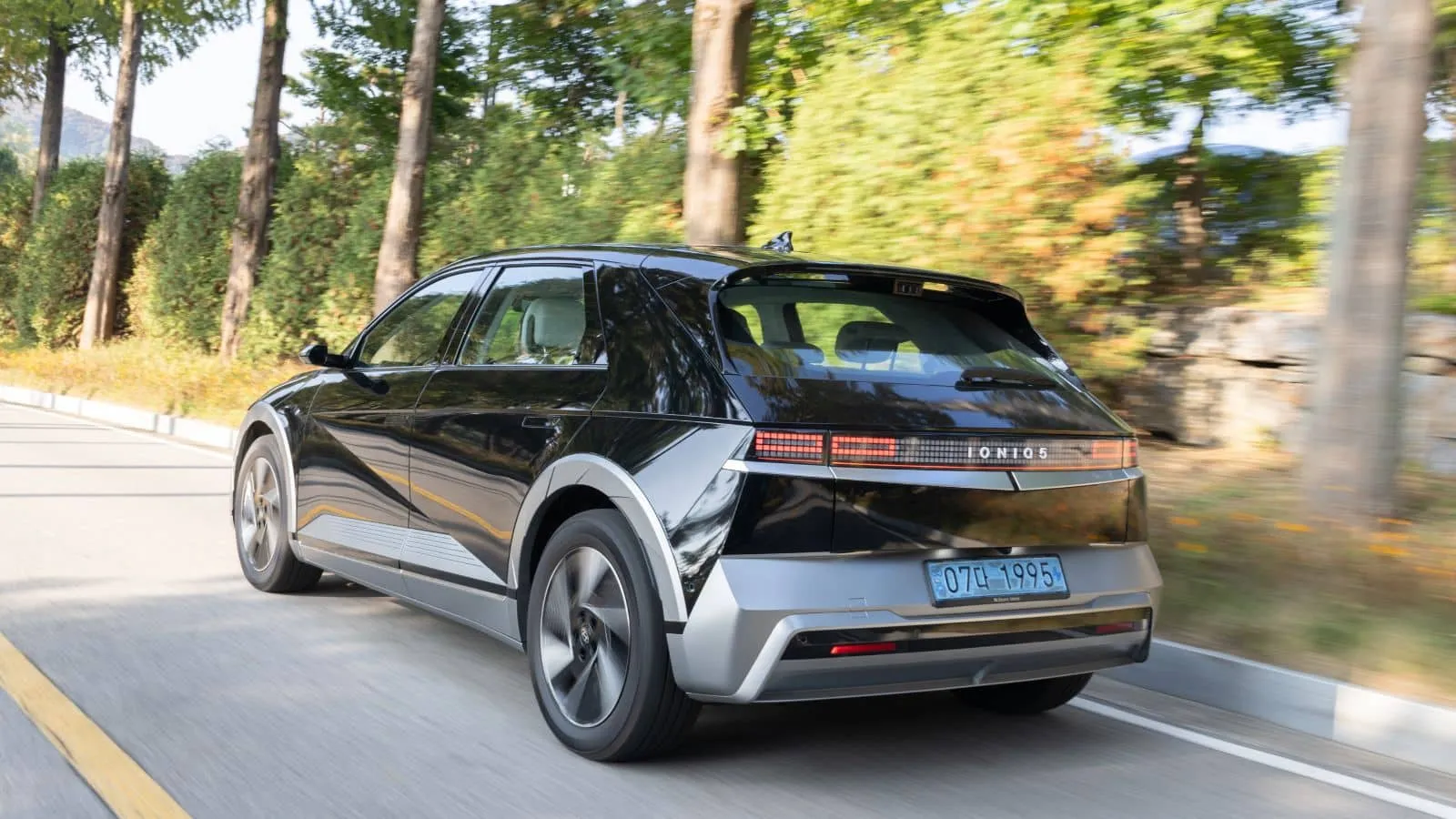
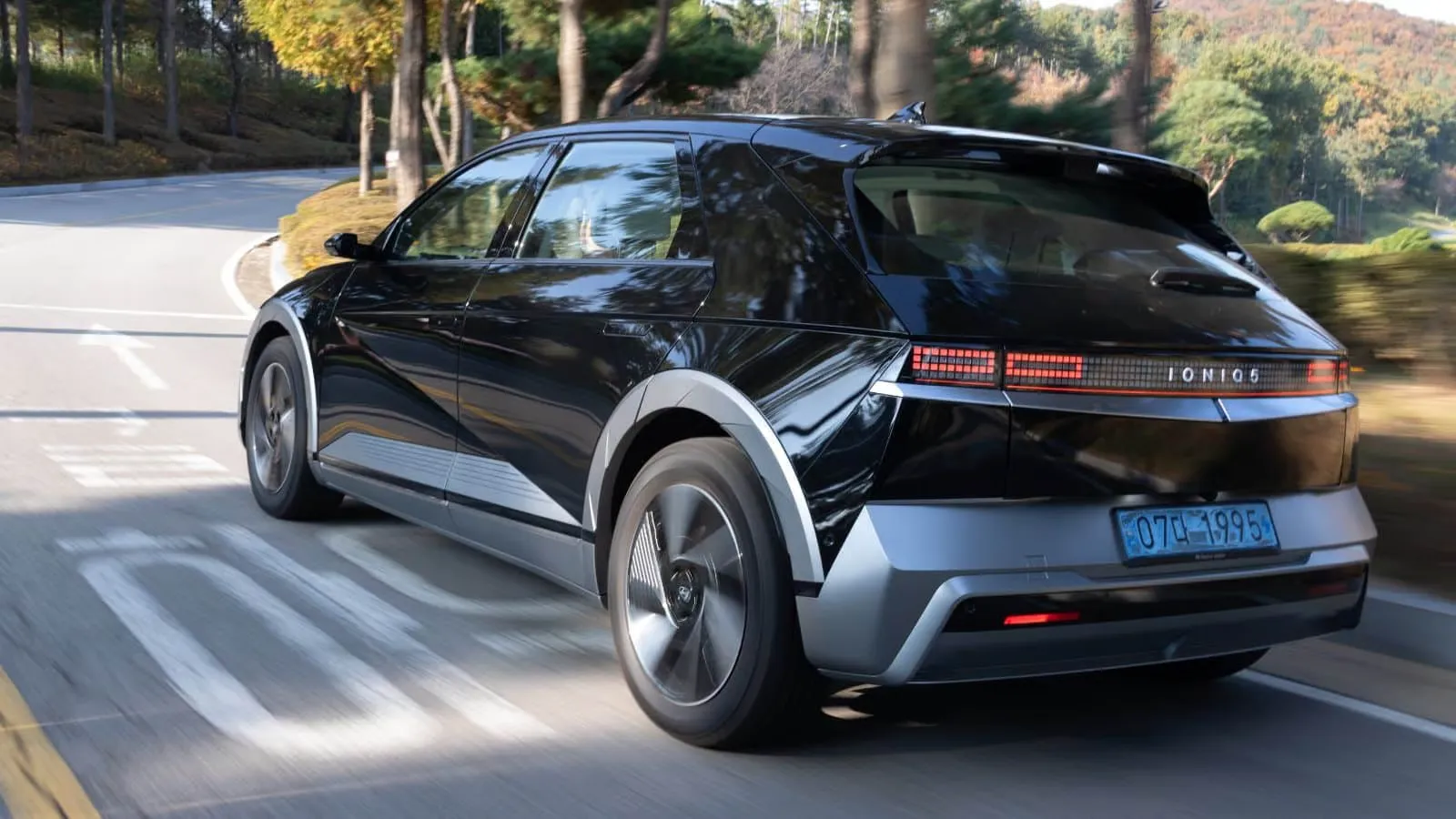
The Hyundai Ioniq 5 stands out
Aviloo compiled the results of 500,000 diagnostics conducted between 2022 and 2026 on 20 electric vehicle models in various regions around the world. The company then compared their median health status at 50,000, 100,000, and 150,000 kilometers. This figure represents the proportion of usable capacity remaining relative to the original capacity. At 50,000 kilometers, all models analyzed retained over 90% of their median capacity.
The Hyundai Ioniq 5 led the list with over 97%, followed by the Mercedes EQA at 96.56%. This trend continued at 100,000 kilometers: the Hyundai Ioniq 5 still had over 95% of its capacity, with the Mercedes EQA, Hyundai Kona, BMW i4, and Ford Mustang Mach-E close behind. Even at 150,000 kilometers, the results were generally reassuring. Most of the vehicles analyzed still had between 90% and 94% of their capacity remaining.
The Mercedes EQA takes a very slight lead with 93.97%, just ahead of the Hyundai Ioniq 5 at 93.79% and the BMW i4 at 93.62%.
Small batteries seem to suffer more
However, some models perform less well. After 150,000 kilometers, the Mini Cooper SE drops to 87.11%, the Nissan Leaf to 86.67%, and the Renault Zoe to 87.33%. Two of these models, the Leaf and the Zoe, use less advanced thermal management systems compared to many newer vehicles.
Another surprise: the Tesla Model 3 and Model Y are also not among the most durable electric cars. After 150,000 kilometers, their average health rating is 88.94% and 90.3%, respectively. These results are far from catastrophic but still lower than those of the top performers in the ranking.
Top 10 of the best-lasting electric vehicles
Models
SoH at 50,000 km
SoH at 100,000 km
SoH at 150,000 km
Hyundai Ioniq 5
97.13 %
95.27 %
93.79 %
Mercedes EQA
96.56 %
95.01 %
93.97 %
Hyundai Kona
96.27 %
94.31 %
92.95 %
Audi Q8 e-tron
95.71 %
93.13 %
91.27 %
BMW i4
95.60 %
94.34 %
93.62 %
Volkswagen ID.4
95.24 %
92.54 %
90.75 %
Volvo XC40 Recharge
95.15 %
93.66 %
92.79 %
Skoda Enyaq
95.14 %
92.67 %
91.04 %
Ford Mustang Mach-E
95.09 %
93.45 %
92.53 %
Audi Q4 e-tron
95.04 %
92.35 %
90.62 %
It depends on usage
This study primarily emphasizes that the same model can age very differently depending on its usage. Frequent fast charging, exposure to high temperatures, or keeping the battery at 100% for extended periods can accelerate its degradation. In fact, variations observed even within the same model can sometimes be significant. With equivalent mileage, two identical cars may therefore have very different battery health statuses.
Also read
Battery health: Can we really rely on the SOH of used electric cars?
Another reason to have the battery thoroughly checked when purchasing a used electric car.