
Baltic Power now has all 76 turbines. Electricity from the Baltic Sea is flowing into Poland’s grid.
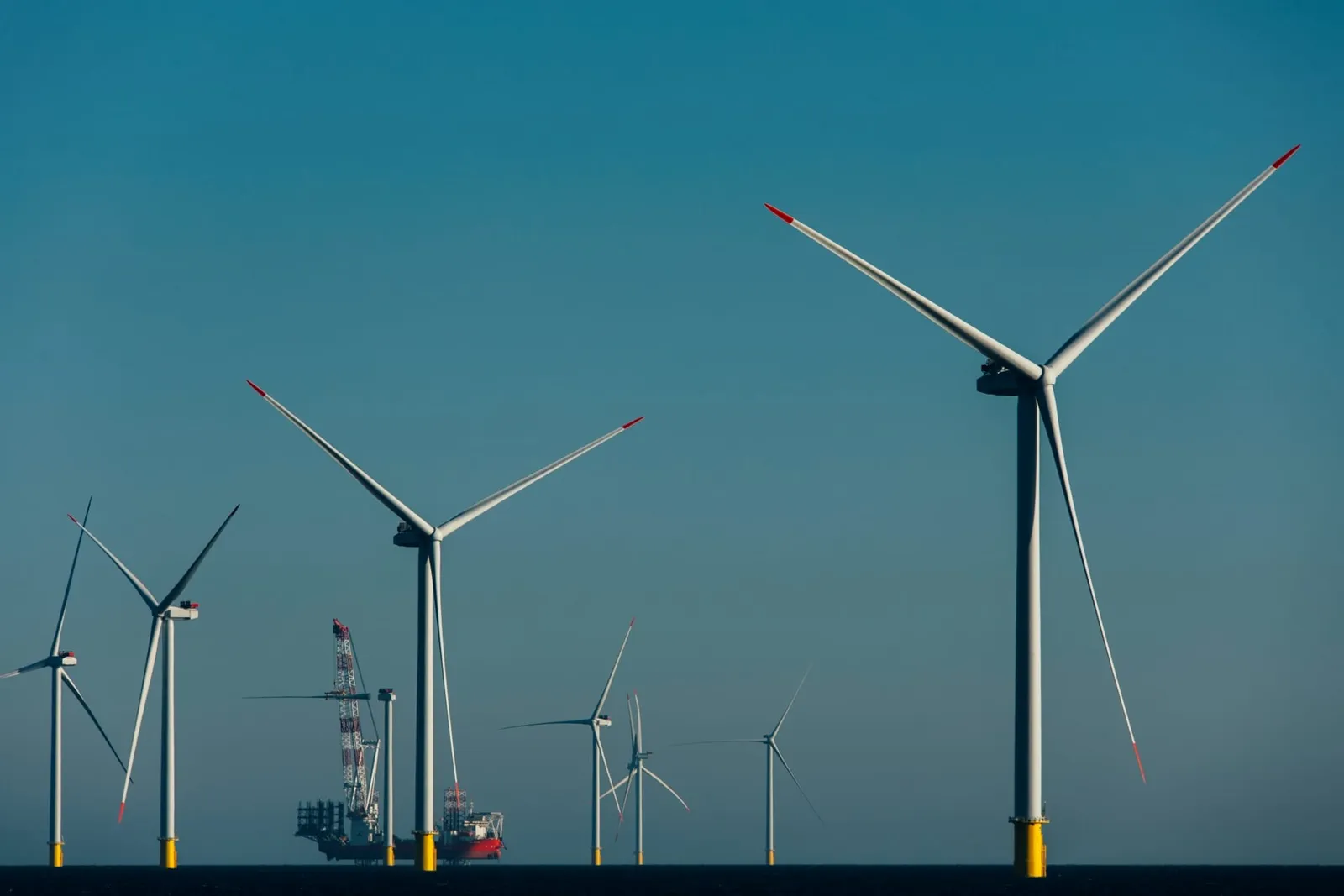
ORLEN and Northland Power have completed the installation of turbines at the Baltic Power farm after less than two years of offshore construction work. Now each of the 76 turbines is undergoing commissioning and a 240-hour reliability test. Some of the installations are already supplying power to the national grid.
The installation of the final turbine marks the end of the largest construction campaign to date in the Polish part of the Baltic Sea. According to investors, around 7,000 workers and 110 vessels were involved in the project.
Tests first, full operation later
Baltic Power will not start operating immediately as a single power plant. The turbines are activated sequentially, integrated with offshore power stations, and then connected to the national system. Only after passing the tests are they handed over to the team responsible for operation.
Energy can flow into the grid even before all work is completed and approval from the Energy Regulatory Office is obtained. This is made possible by a special ION permit and the payment of a pre-approval fee. Thus, the farm can generate electricity and start generating revenue during its commissioning phase.
The project is intended to reach a capacity of 1.2 GW and produce up to 4 TWh of energy per year. ORLEN and Northland Power estimate this to meet the needs of over 1.5 million households and account for about 3 percent of Poland’s current electricity consumption. The first figure is, of course, a comparison based on average usage, not the actual number of households connected to the farm.
The nominal capacity of the turbines combined totals 1.14 GW, as each one has a capacity of 15 MW. Therefore, the 1.2 GW figure is an approximate value for the entire project.
The turbines are over 250 meters tall
Each Vestas turbine has blades that are about 115 meters long. The rotor covers an area of 43,000 m2, which is larger than six football fields. The structures stand on foundations up to 100 meters long, and the height from sea level to the top of the blades exceeds 250 meters.
Some of the upper sections of the towers are made from recycled steel. Over one-third of the nacelles, however, were produced at Vestas’ factory in Szczecin. Baltic Power was one of the first two projects handled by this facility.
The contribution of Polish companies to the costs throughout the farm’s lifetime is estimated at around 21 percent. Domestic firms provided steel structures, cables, and turbine components, among other things, and were involved in foundation work, power stations, and maintenance facilities. The list of contractors includes Grupa Przemysłowa Baltic, Smulders Polska, Protea, Enprom, Erbud, and MEWO.
Once commissioning is complete, the majority of the work will shift to the base in Łeba. There, around 100 permanent jobs related to the operation of the farm, which is planned to operate for nearly 30 years, will be created. Before that happens, all turbines must undergo a full testing procedure. The actual installation at sea is already complete, but the technical acceptance of the entire power plant has not yet taken place.
LovEV Newsletter
Want more content like this?
Sign up — we’ll send you a weekly summary once the newsletter starts.
