
The assessment shows a need for more charging stations in rural areas
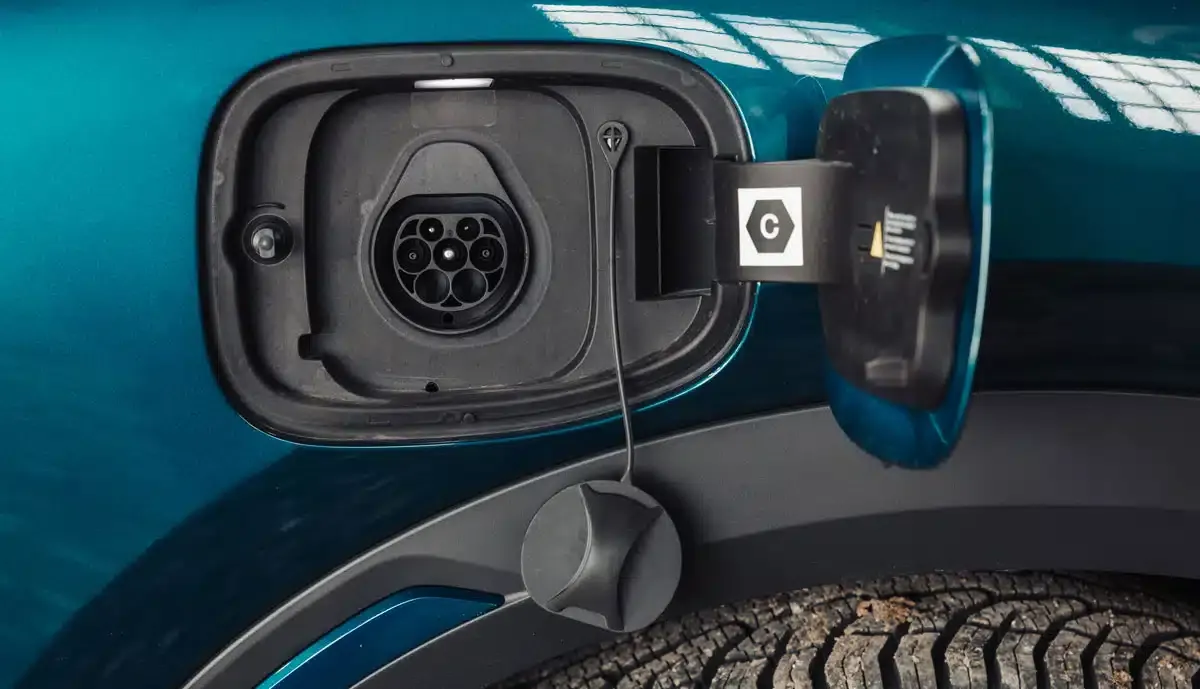
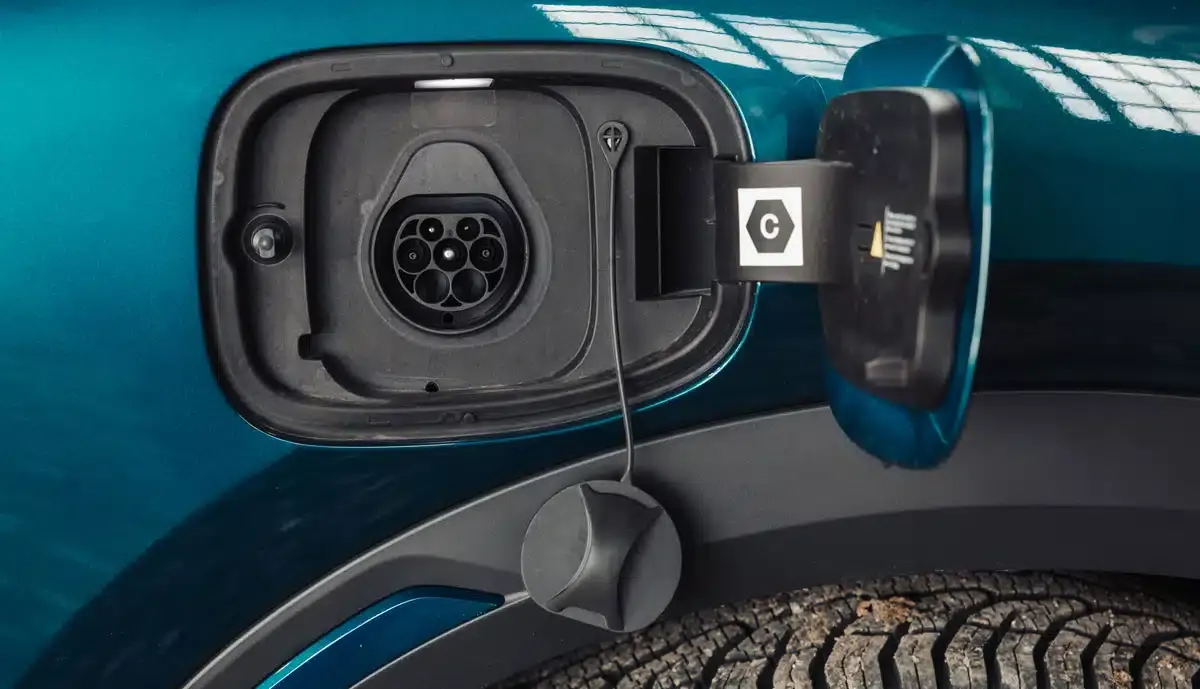
Image: BYD (illustrative)
As of September 1, Germany had nearly 209,000 public electric vehicle charging stations registered with the Federal Network Agency. This represented a 24 percent increase from July 2025. Of these, there were roughly 150,000 standard charging stations and just under 59,000 fast charging stations. According to the newspaper, this figure comes from data provided by the Federal Network Agency and analyzed by energy company 1Komma5Grad for an “charging stations atlas.”
Among the 107 cities without district status, Stuttgart topped the list on the designated date with 2,107 charging stations per 100 square kilometers. This represented a 12 percent increase compared to a strong previous year. Following closely were Regensburg with 1,452 and Munich with 1,179 charging stations per 100 square kilometers, both showing a 19 percent increase.
At the bottom of the list were Brandenburg an der Havel with 59, Dessau-Roßlau with 55, and Suhl with 53 charging stations per 100 square kilometers. Particularly high percentage increases were recorded outside the major metropolises. In Schwabach, the number rose by 112 percent to 172 charging stations, while in Mülheim an der Ruhr it increased by 89 percent since July 2025 to 429 charging stations per 100 square kilometers.
Among the 294 districts, the leader changed. “The district of Mettmann in North Rhine-Westphalia showed strong growth of 40 percent and now ranks first with 344 charging stations per 100 square kilometers,” said a spokesperson from 1Komma5Grad. Böblingen followed with 328 charging stations and a 19 percent increase, while the Main-Taunus district had 281 charging stations and a 15 percent rise.
Jannik Schall, product manager at 1Komma5Grad, described the upward trend in charging stations as a positive sign. At the same time, the charging infrastructure is developing unevenly: metropolises have ample coverage, while small towns and rural areas are less well-served. “There is still a need for improvement here if the transition to electric cars is to succeed nationwide,” said Schall.
Also interesting
About the author
Thomas Langenbucher is an expert in electromobility with professional experience in the automotive industry and finance sector. Since 2011, he has been covering electric vehicles, sustainable technologies, and mobility solutions for ecomento.de. Learn more.
Reader interactions