
Aston Martin delays its electric car launch to at least 2033
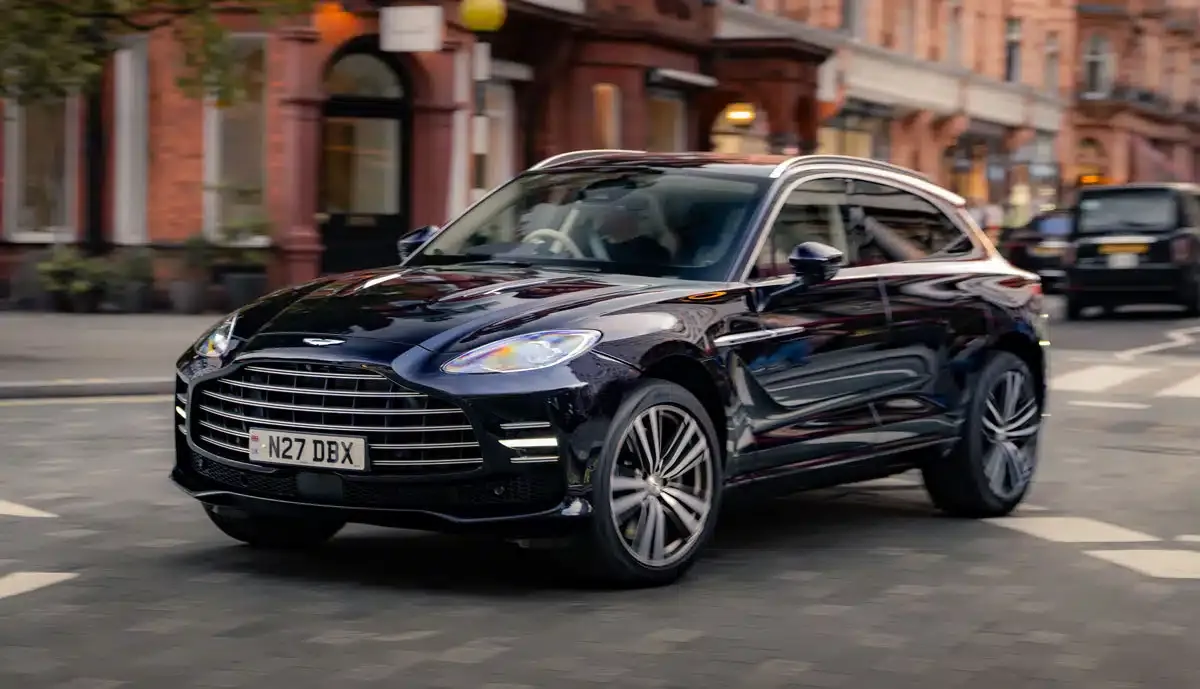
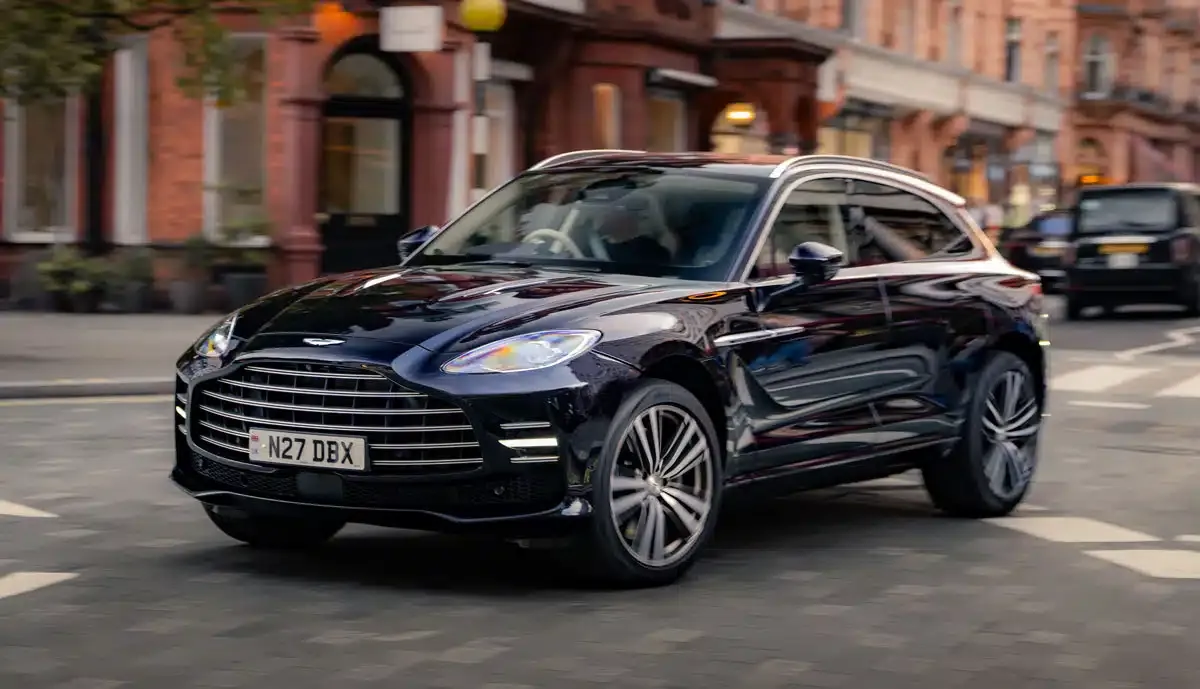
Image: Aston Martin
Aston Martin will launch its first electric vehicle no earlier than 2033. The company’s CEO, Adrian Hallmark, also stated that there is a plan to continue offering models with V8 and V12 engines at least until 2035. Hallmark had previously suggested an electric vehicle launch by 2030, after the previous management set a target of 2027.
Hallmark mentioned during a media event, according to Autocar, changes in customer demand for electric vehicles and regulatory requirements. Both are changing “much faster than any automaker can adapt to.” As a result, Aston Martin is continuously evaluating various scenarios for different markets and regions and has not set a specific date for its first electric vehicle.
Hallmark did provide a time frame, however: a battery-electric model could arrive in 2033 or 2035, with 2031 explicitly ruled out by the CEO. Until 2035, Aston Martin will primarily rely on vehicles with internal combustion engines. Hallmark described the company as “not a BEV rejecter, but a BEV retarder.” BEV stands for Battery Electric Vehicle, referring to purely battery-powered vehicles.
Aston Martin has an agreement with U.S. electric vehicle manufacturer Lucid to gain access to its technology and is also working with Mercedes-Benz. The partnership with Mercedes-Benz in the areas of powertrains and electronic systems is set to be deepened. Hallmark explains that due to its later entry into the electric vehicle market, Aston Martin can delay larger investments in this technology by three years. Currently, spending on electric vehicles is limited to research and studies, and it is not even in the tens of millions range.
By 2035, Aston Martin will focus on internal combustion engines and keep both larger and smaller engines, as well as V8 and V12 models, compliant with regulations. The company’s CEO also confirmed plans for hybridization. Plug-in hybrid technology is likely to be avoided due to its high added weight. The entire model lineup is set to be replaced between 2030 and 2035, with the vehicle features, performance, and quality being elevated to a higher standard.
Also interesting
About the author
Thomas Langenbucher is an expert in electromobility with experience in the automotive and financial industries. Since 2011, he has been covering electric vehicles, sustainable technologies, and mobility solutions for ecomento.de. Learn more.
Reader interactions
