
Aramco warns: gasoline and diesel prices could surge again, it may take years to restore reserves
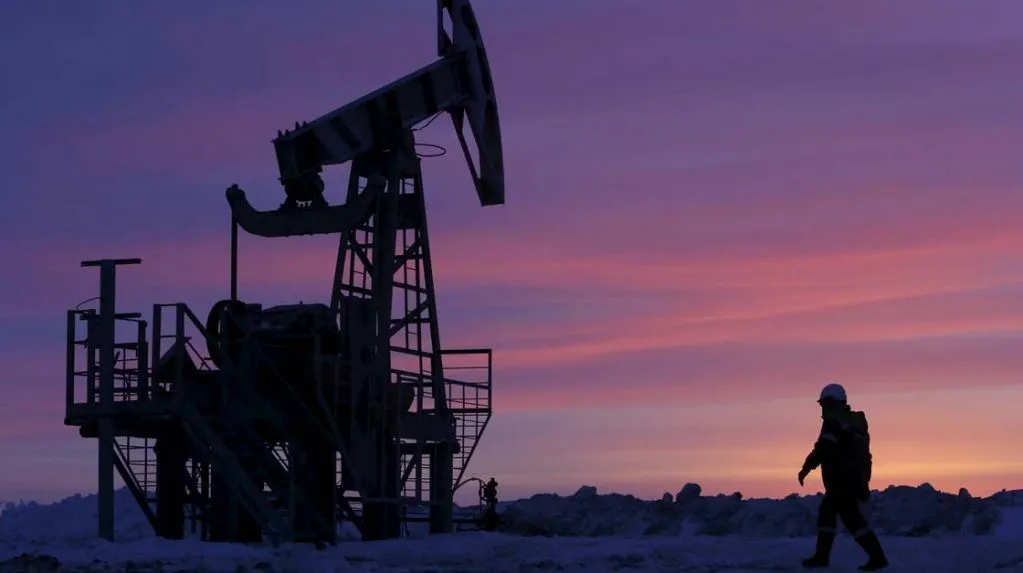
In recent months, energy markets have once again highlighted how dependent we remain on a supply chain that can change drastically within days. Problems in the Middle East have disrupted normal oil and fuel flows, while governments have had to draw on their reserves to try to contain the impact on prices.
The situation has reached a particularly delicate point because returning to normal does not necessarily mean prices will quickly return to previous levels. Although oil supply may improve, the inventories that act as a buffer against further disruptions are at very low levels, and rebuilding them will take time—years.
This opens the door to a scenario that drivers are well familiar with: new tensions in the international market always end up affecting gas stations, where 2 euros per liter has become the norm. And this time, the problem would not lie solely in the price of oil per barrel, but also in the capacity to produce and distribute the fuels—diesel and gasoline—that are needed to keep the market supplied.
Oil has increasingly less room to absorb another shock
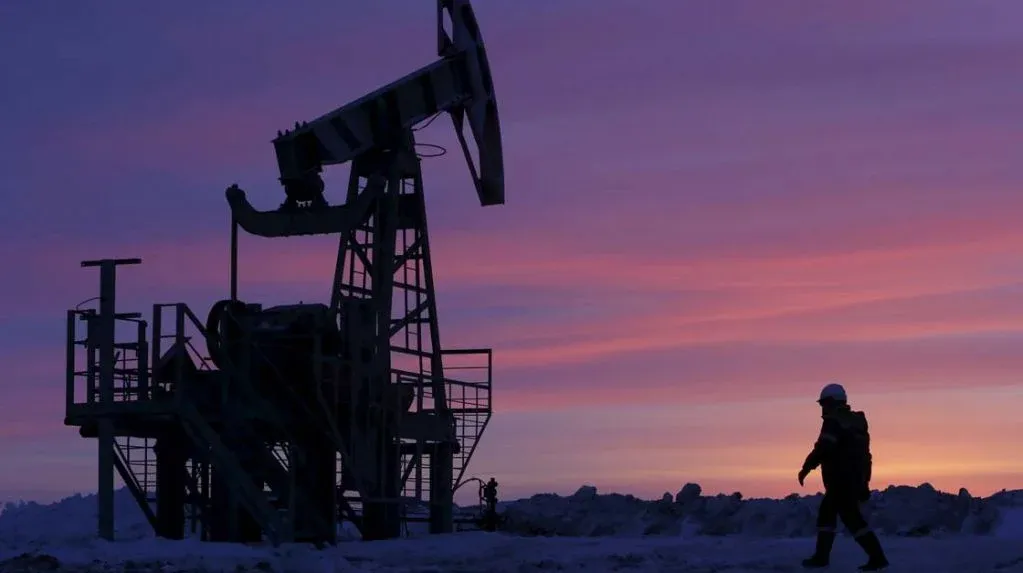
The strongest warning came from Amin Nasser, CEO of Saudi Aramco, during the Energy Intelligence Forum held in London. According to his remarks, the conflict that began in February has resulted in a cumulative loss of nearly 3 billion barrels of supply from the region, while more than 1 billion barrels had to be drawn from various reserves to partially offset that shortfall.
The outcome is a market with much less flexibility. Nasser states that there are fewer than 6 billion barrels left in commercial inventories, but a significant portion of this volume would not be practically available to respond immediately to another disruption. In other words, not all the oil stored can truly be considered an operational buffer.
The consequence is significant. If a new supply issue arises, the market now has less capacity to absorb it without prices reacting. And although strategic reserves can be used to temporarily ease the situation, this does not resolve the imbalance between supply and demand.
In fact, the G7 has already agreed to coordinate through the International Energy Agency the release of 100 million barrels of oil and fuels, with a focus on diesel in the initial weeks. This measure aims to reduce pressure on energy markets that have seen sharp price increases, but it has an obvious consequence: part of the available buffer is used precisely when global reserves are already weakened.
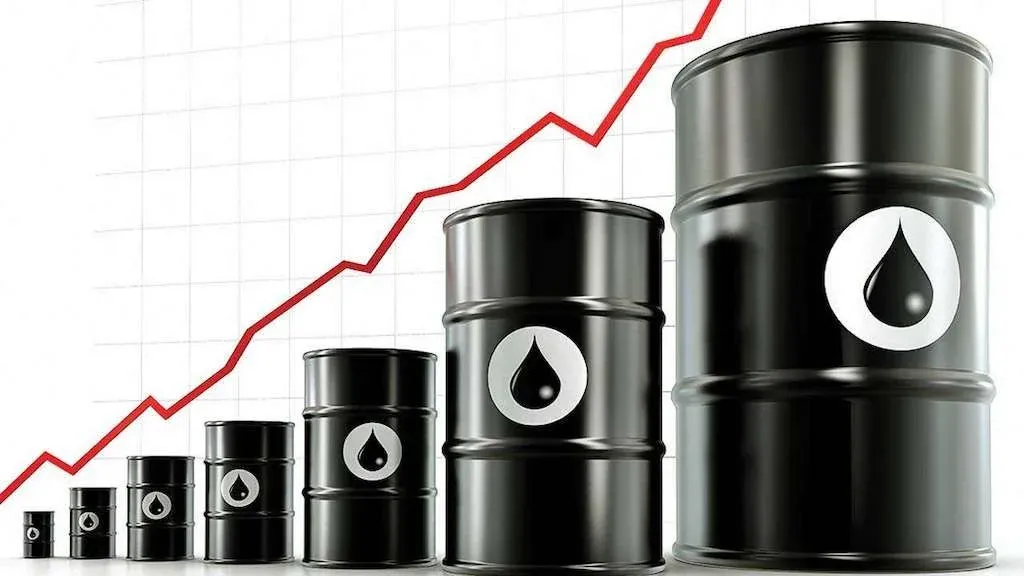
The problem is that these reserves cannot be restored overnight. Nasser estimates that it could take up to two years to rebuild the inventories, even if traffic through the Strait of Hormuz returns to normal. To achieve this, an additional 2 million barrels per day of demand would need to be met over a prolonged period, simply to refill the tanks while continuing to meet normal consumption levels.
And here lies one of the main concerns for the market. Production can recover relatively quickly, but rebuilding reserves requires maintaining an supply higher than consumption for many months. If any new disruptions occur during this process, the effort needed will be even greater.
The Strait of Hormuz remains a major weak point. Before the crisis, a significant portion of the world’s oil and liquefied natural gas passed through it. Although Gulf producers are using alternative routes and increasing shipments when possible, the situation remains vulnerable. In September, liquefied natural gas shipments through the strait increased compared to previous months, but the risk to energy routes persists.
In addition, not all problems stem from crude oil. The refined fuel market is under even greater pressure, especially diesel. Nasser noted that the prices of refined products have risen more sharply than those of crude oil itself, a detail particularly relevant for Europe, where diesel plays a significant role in both transportation and industrial activities.
This explains why a potential drop in barrel prices does not necessarily result in an immediate equivalent decrease at gas stations. Between the oil extracted from wells and the fuel that reaches a car’s tank, there are refineries, transportation, storage, insurance, and a complex logistics network that are also suffering from the effects of the crisis.
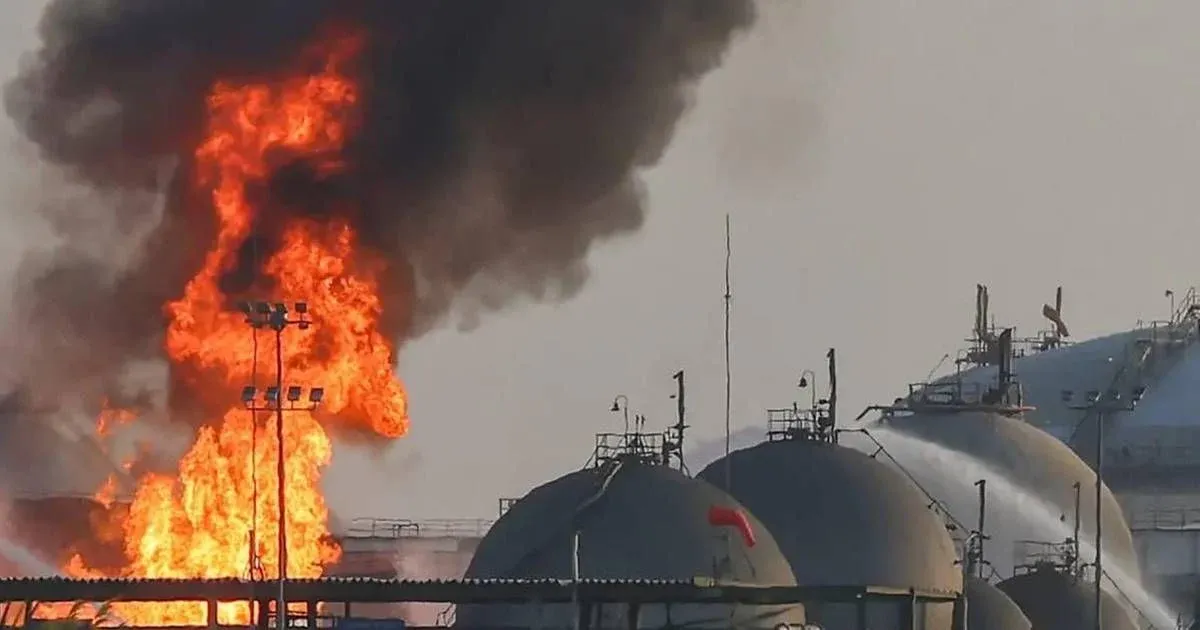
For drivers, therefore, the risk isn’t limited to a temporary rise in gasoline or diesel prices. The most dangerous scenario would be entering a prolonged period of high prices and high volatility, where any attack—such as the Houthi attack on Saudi facilities yesterday—or a disruption in supply or issue at a refinery could quickly lead to new price spikes. And when there’s tension, it’s consumers who end up paying the price.
This once again highlights Europe’s absurd and dangerous, as well as costly, dependence on oil, which powers or drives almost everything there using diesel or gasoline. Europe is gradually replacing its fleet of vehicles, but still has a long way to go in terms of road freight transportation and strategic sectors such as agriculture.
The most curious thing is that a crisis like the current one is having effects that extend far beyond the next few months. If it truly takes up to two years to rebuild oil inventories and demand continues to rise during that time, the risk of new episodes of high prices will not disappear just because more oil starts flowing again in the Middle East. This will make electric cars increasingly attractive, prompting governments to develop less short-sighted plans for their adoption as well as for the urgent electrification of other key sectors.
