
With the success of the Renault Twingo and the upcoming launch of the Citroën 2CV, the FIAT 500 will soon see its price drop.
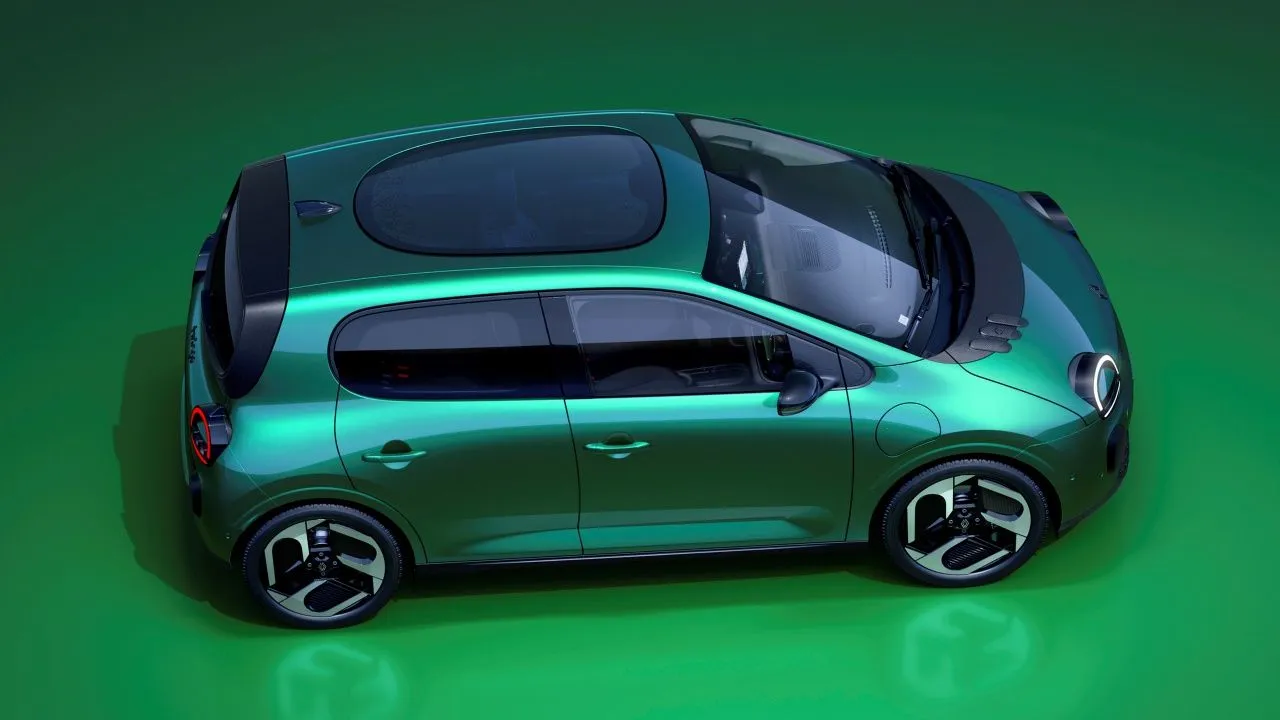
The Renault Twingo is experiencing strong commercial success in key markets such as Germany and France. As Renault’s smallest model, it positions itself as the first European-made electric city car at a price comparable to Chinese rivals like the BYD Dolphin Surf Active or Leapmotor T03, without compromising on aspects such as range or equipment.
The second-generation Dacia Spring will soon join it, offering even lower prices and built on the same platform. Meanwhile, Citroën is working on a revival of the iconic 2CV, which will be unveiled as a prototype at the upcoming Paris Motor Show. The production version is set to arrive in 2028 with a target price below 15,000 euros, making it poised to become the cheapest electric car on the market.
We should also include the upcoming Nissan Pixo, Volkswagen ID. Lupo (2027), and FIAT Panda (2028); additionally, the BYD Racco and Honda Super-N might eventually make their way to Europe as well. With this electric resurgence in the A-segment, what position does the iconic FIAT 500 hold, which for so long was one of its undisputed leaders?
Although it has had a microhybrid version available for a few months now, what we’re truly interested in is the electric version, known as the 500e. Currently, its lineup consists of two variants. The entry-level model features a 95 HP (70 kW) engine and a battery with a capacity of 21.3 kWh. It claims 0-100 km/h acceleration in 9.5 seconds and a top speed of 135 km/h, while its range is 190 km according to WLTP standards. It can be charged at 11 kW via AC (0-100% in 2 hours and 30 minutes) and at 50 kW via DC (0-80% in 30 minutes). Its price is 22,400 euros.
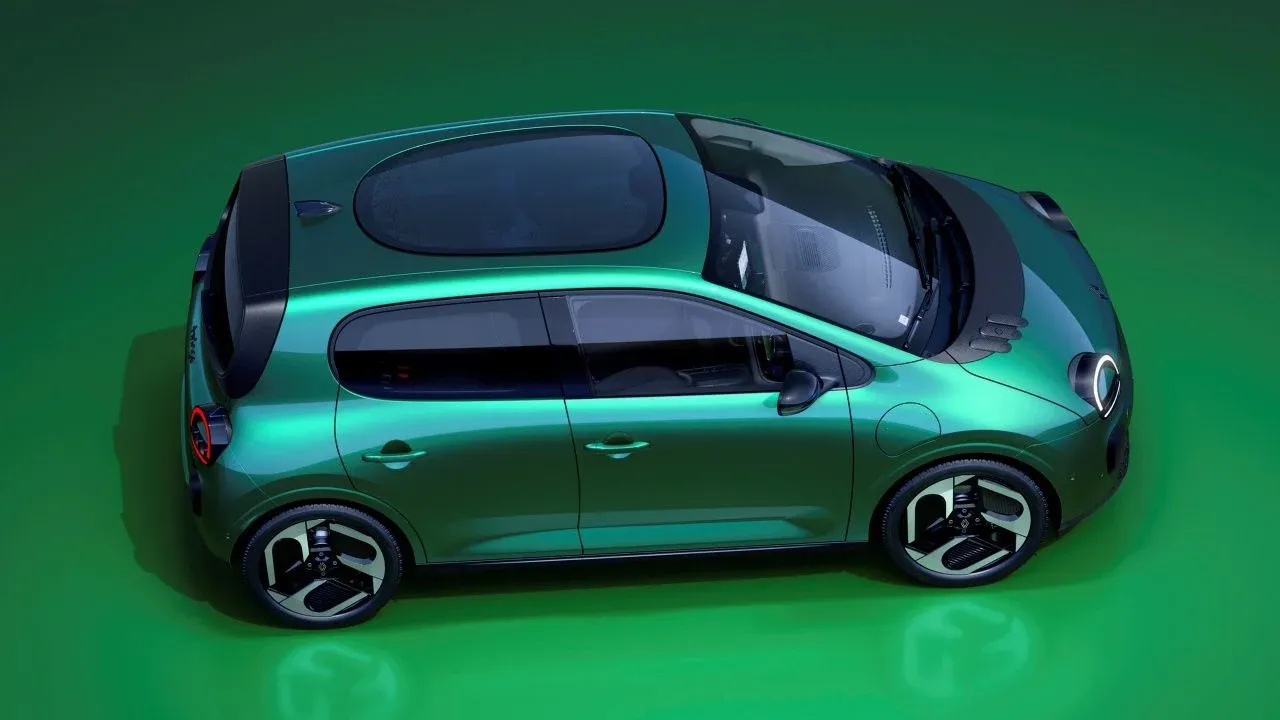
The FIAT 500 will receive new batteries in 2027
The higher-end model comes with 118 CV (87 kW) and a battery capacity of 37.3 kWh, achieving 0-100 km/h in 9 seconds and a top speed of 150 km/h. Its range is 326 km according to WLTP standards. In terms of charging, it supports 11 kW on alternating current (0-100% in 4 hours and 15 minutes) and 85 kW on direct current (0-80% in 35 minutes). Its starting price is 26,900 euros.
The cheapest version has a shorter range and is more expensive than its main competitors in the A-segment, while the top-of-the-line model fits squarely into the B-segment category, where much larger and more powerful models such as the CUPRA Raval or Renault 5 are available. To prevent the fuel-powered Cinquecento from falling behind, FIAT is preparing a significant update.
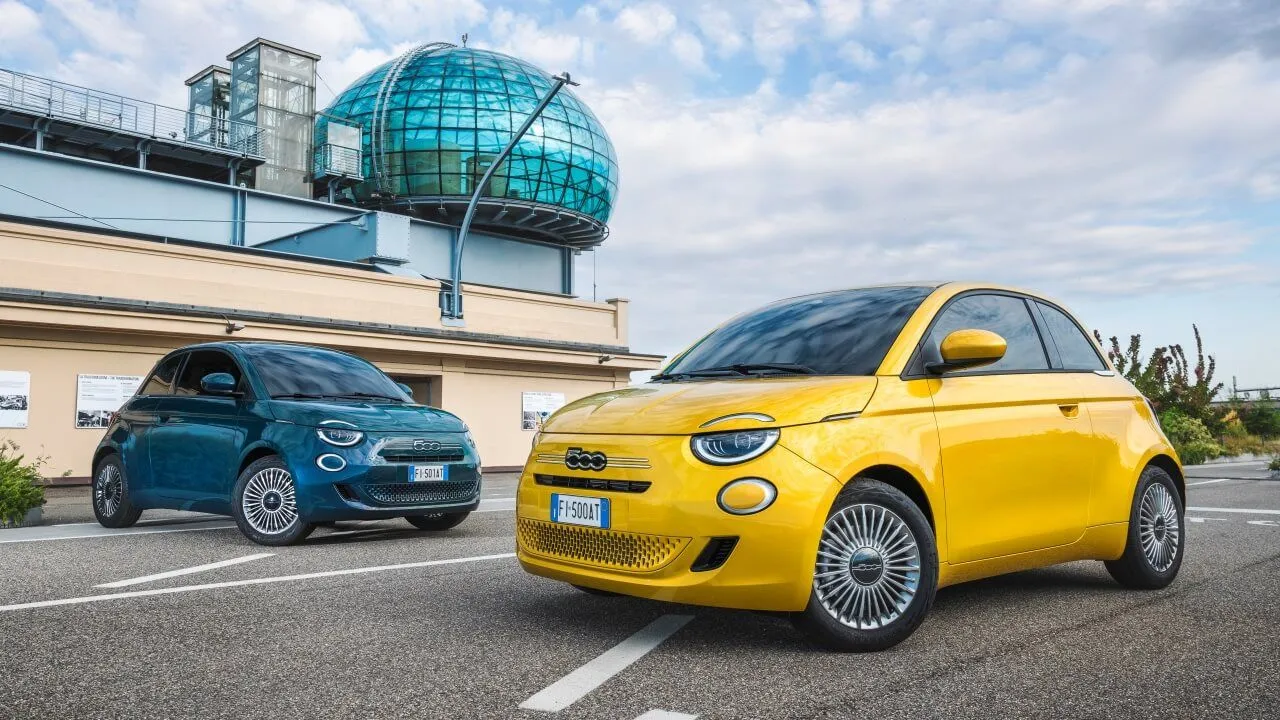
Next year, the FIAT 500e will come equipped with more affordable batteries, likely of the LFP (lithium-iron-phosphate) type. This will help reduce its price and make it more competitive against its direct rivals. It’s highly likely that these batteries will come from the new gigafactory being built by CATL in Figueruelas (Zaragoza). This should allow the small Italian car to remain on the market until 2030, when its replacement will arrive.
Source | Stellantis
