
Alpine recovers the A310, designed to challenge the Porsche 911
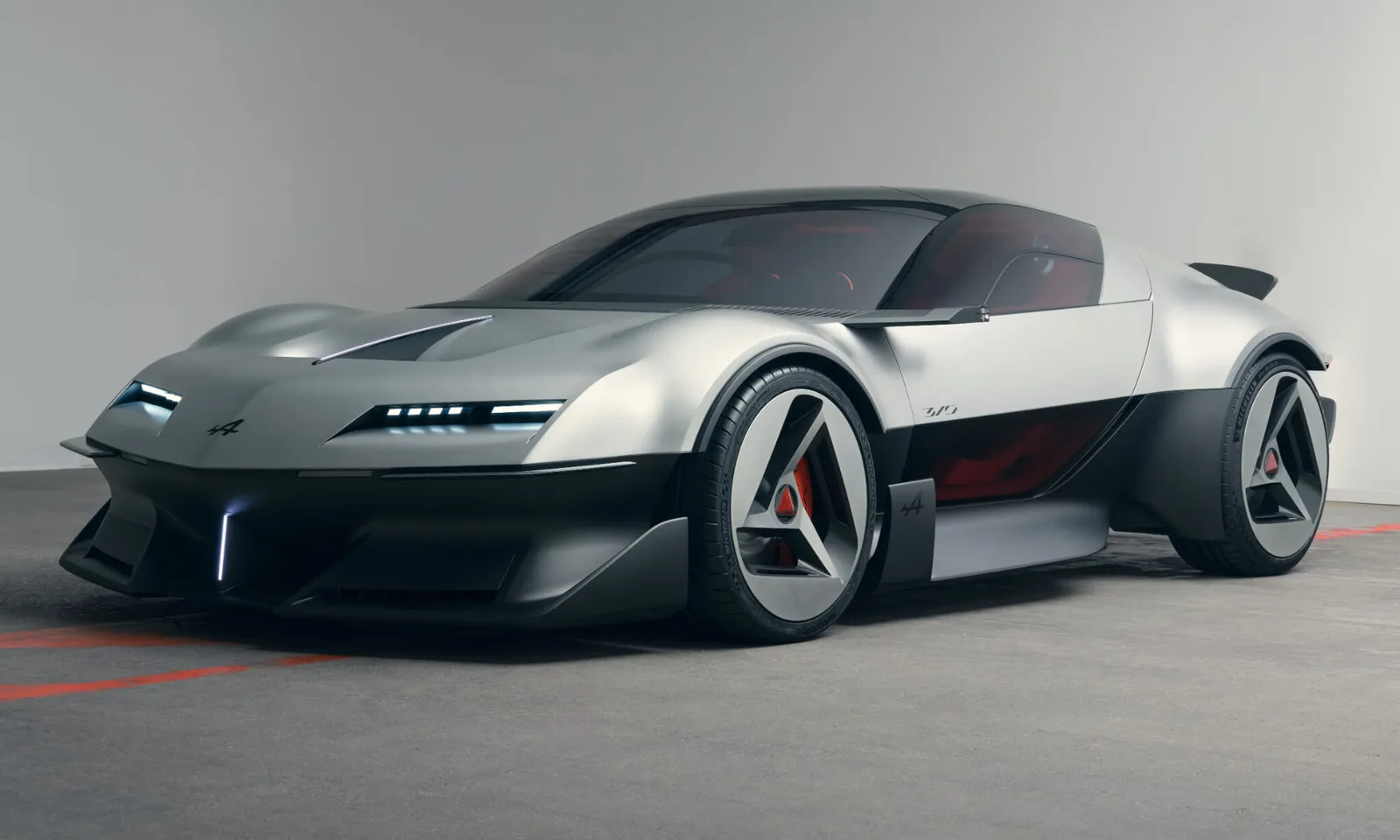
The A310 Vision brings back one of Alpine’s most iconic models and demonstrates the potential of the future electric A110 platform.
Before the new Alpine A110 electric model hits the roads, the French brand decided to show what its platform can achieve. To do this, it drew inspiration from one of its most memorable models in history.
Called the Alpine A310 Vision, it can be seen at the Paris Motor Show where Razão Automóvel is present. It is a unique prototype inspired by the A310 introduced in 1971. It does not directly preview a future production model, at least there is no confirmation to that effect, but it serves as a design exercise created to explore the possibilities of the new APP or Alpine Performance Platform.
It is precisely this platform that will serve as the foundation for the third generation of the A110, which will be 100% electric and tasked with preserving what makes the current model so special: low weight, agility, and a driver-focused driving experience.
The return of the anti-Porsche
The original A310 was introduced in 1971 to continue the legacy begun by the famous berlinette—the original A110—but with a different approach. It was larger, more comfortable, and positioned as a GT 2+2, in an attempt to give Alpine a car capable of competing with models like the Porsche 911.
The earliest versions used four-cylinder engines, but in 1976 the A310 V6 appeared, offering a more muscular appearance and superior performance. It is precisely this dual personality that Alpine now seeks to revive, as the 55th anniversary of the four-cylinder A310 and the 50th anniversary of the V6 approach.
During the development of the new prototype, internally known as PS1, designers even placed an original A310 in the center of the studio. From there, they studied volumes, proportions, and lines to determine what could be revived without simply copying the past.
The result is what Alpine describes as a retrofuturistic interpretation: imagining how the A310 might have evolved to today’s standards. References to the original GT are present, but they are not literal.
A vision for the future
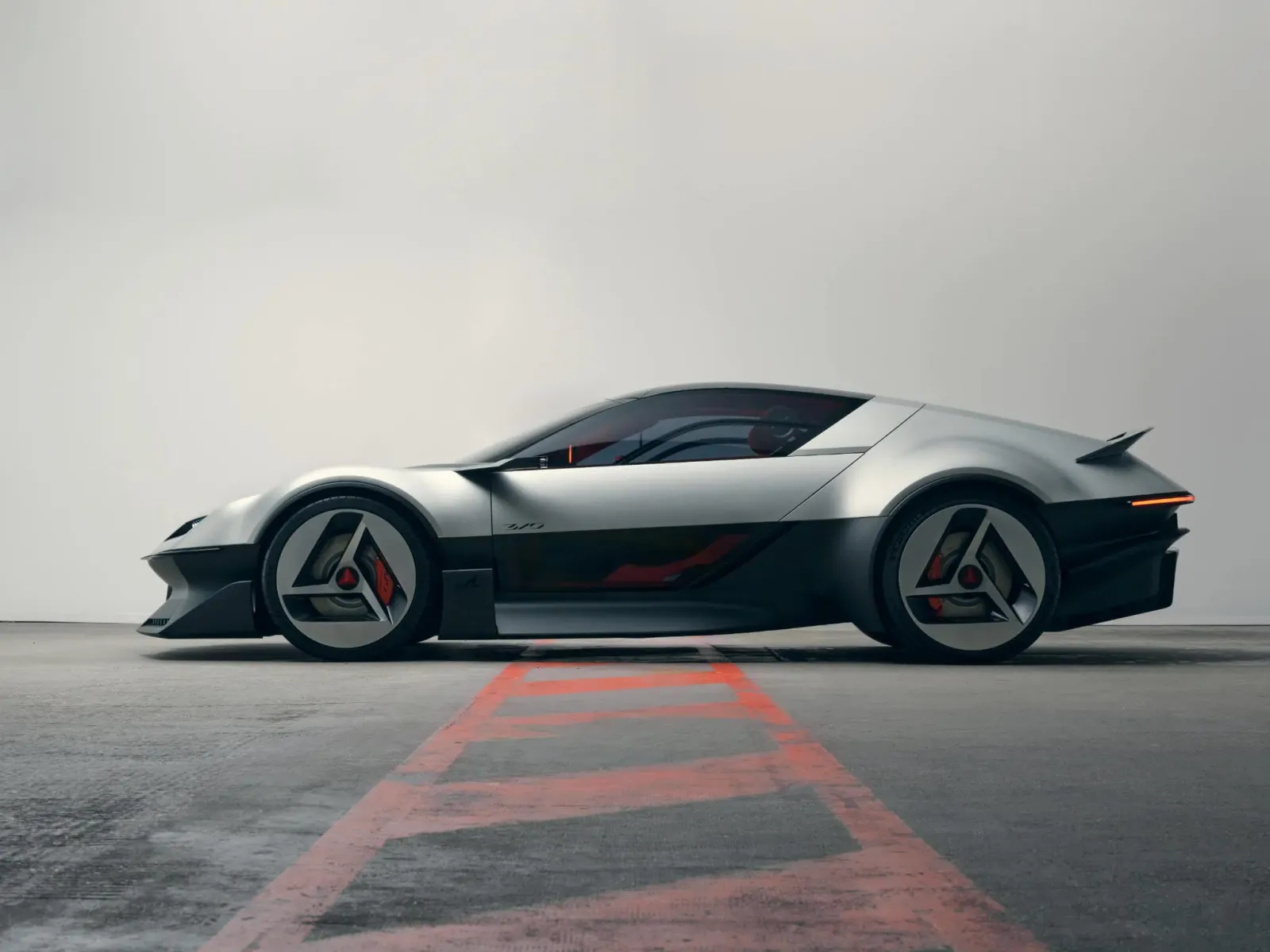
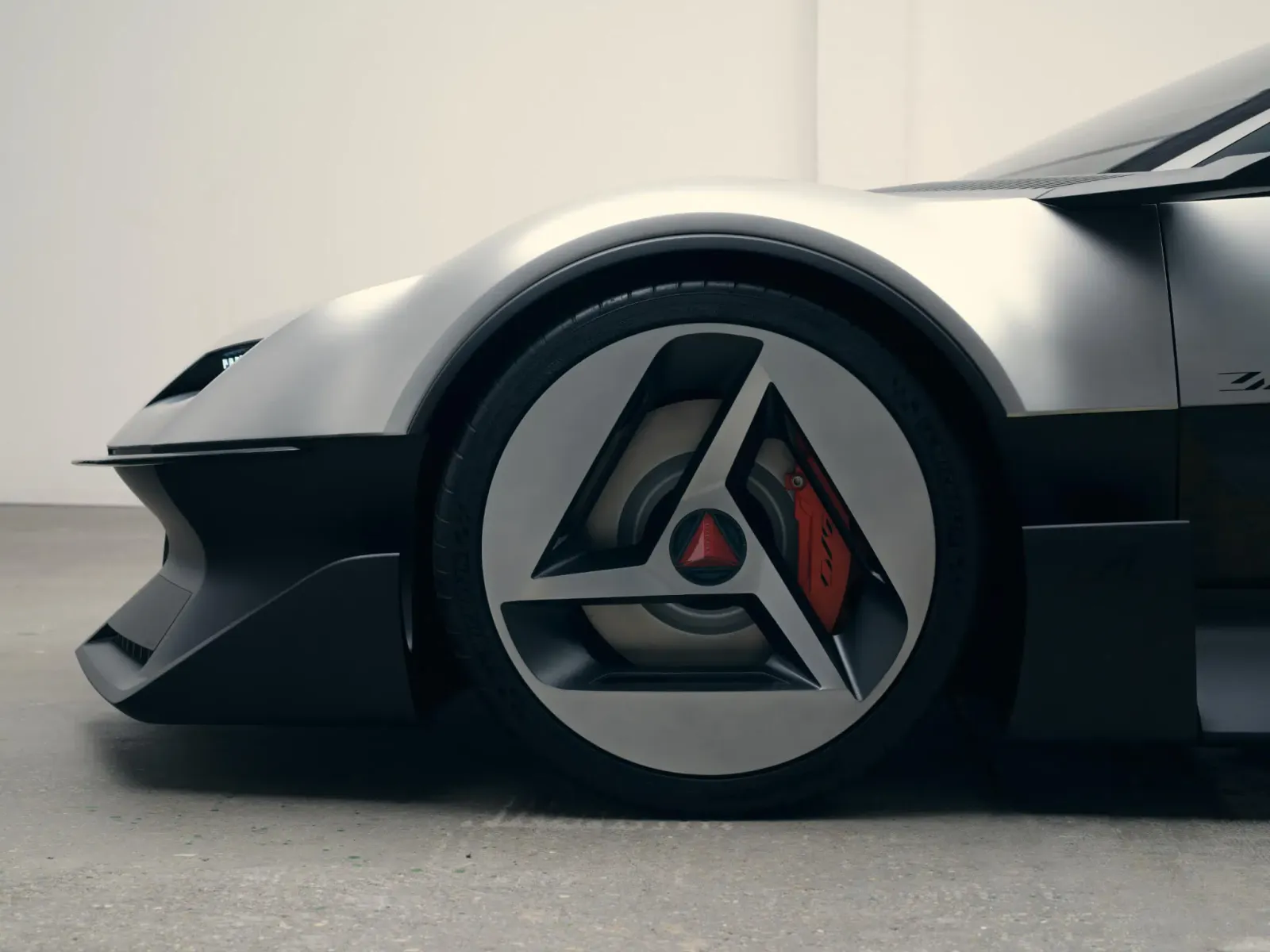
The A310 Vision is 4.55 meters long, only 1.18 meters tall, and reaches 2.03 meters in width at the rear, creating an extremely low and wide silhouette. Up close, its presence as a prototype is clearly felt, with a low stance and aggressive posture.
At this level, I’d say it has an even more striking appearance than the 1970s A310, as it combines very defined lines with a more muscular look and numerous futuristic elements.
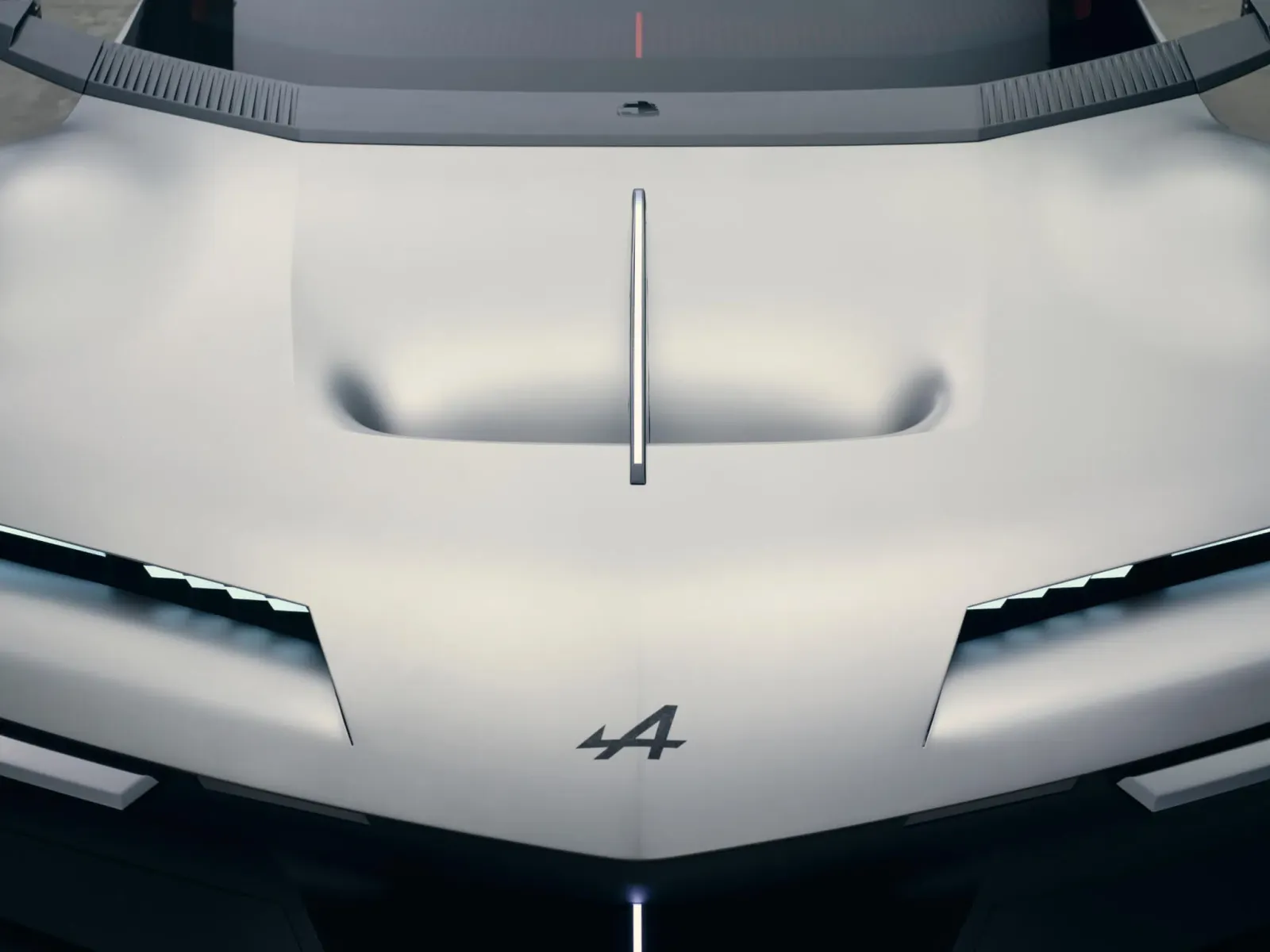
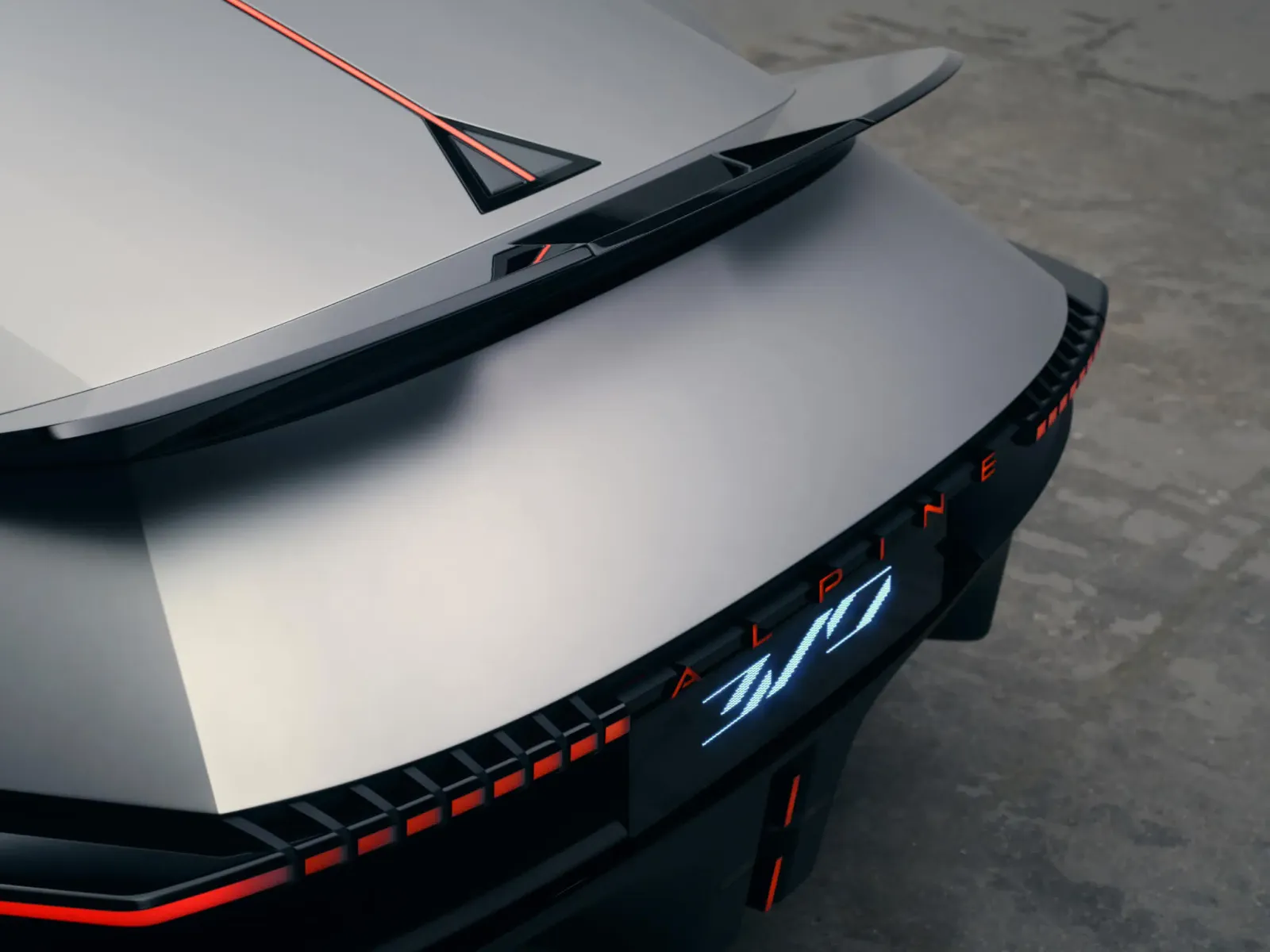
The headlights serve as a good example of this, as they are hidden in a fold at the front and appear when the car is started, creating an effect that Alpine calls pop-down. The hood features a large aerodynamic outlet, with a kind of illuminated central blade called Y zero running across it and extending toward the rear.
3 images
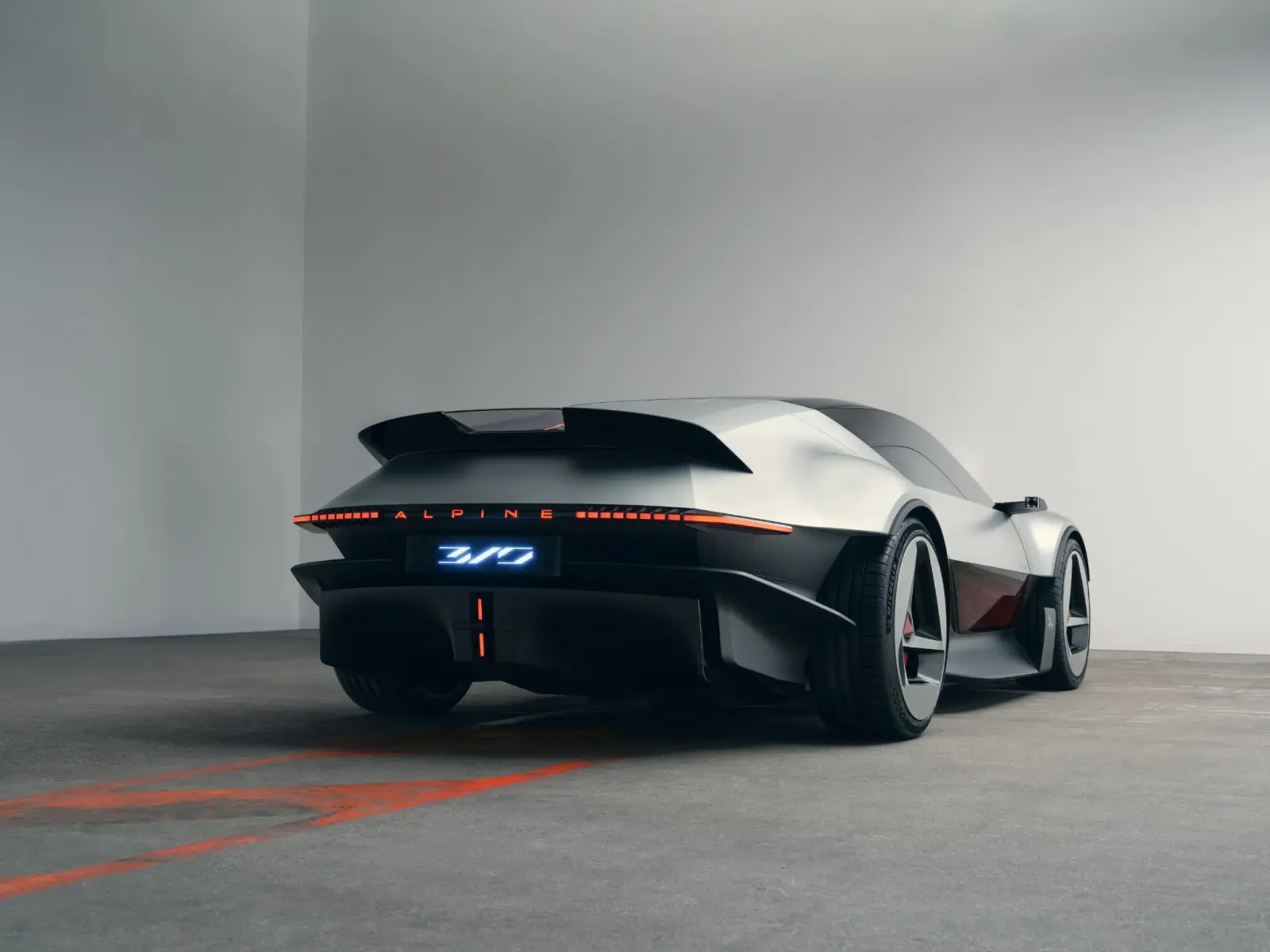
At the back, we find a wing divided into two parts and blade-shaped optics that also serve an aerodynamic function. There is no rear window either, a solution that helps further enhance the aggressive visual appearance of this prototype.
The platform is the real star
But the most important part of this prototype lies beneath the bodywork: the APP platform, which will be used in the next generation of Alpine models.
Alpine has already demonstrated this architecture in action at the Goodwood Festival, through a development vehicle based on the current A110 but expanded to accommodate the new dimensions of the platform.
In the A310 Vision, an app is used to demonstrate the freedom this architecture offers designers. It enables them to work with proportions, volumes, and aerodynamic solutions that would be much harder to achieve in a car developed from an architecture originally designed for internal combustion engines.
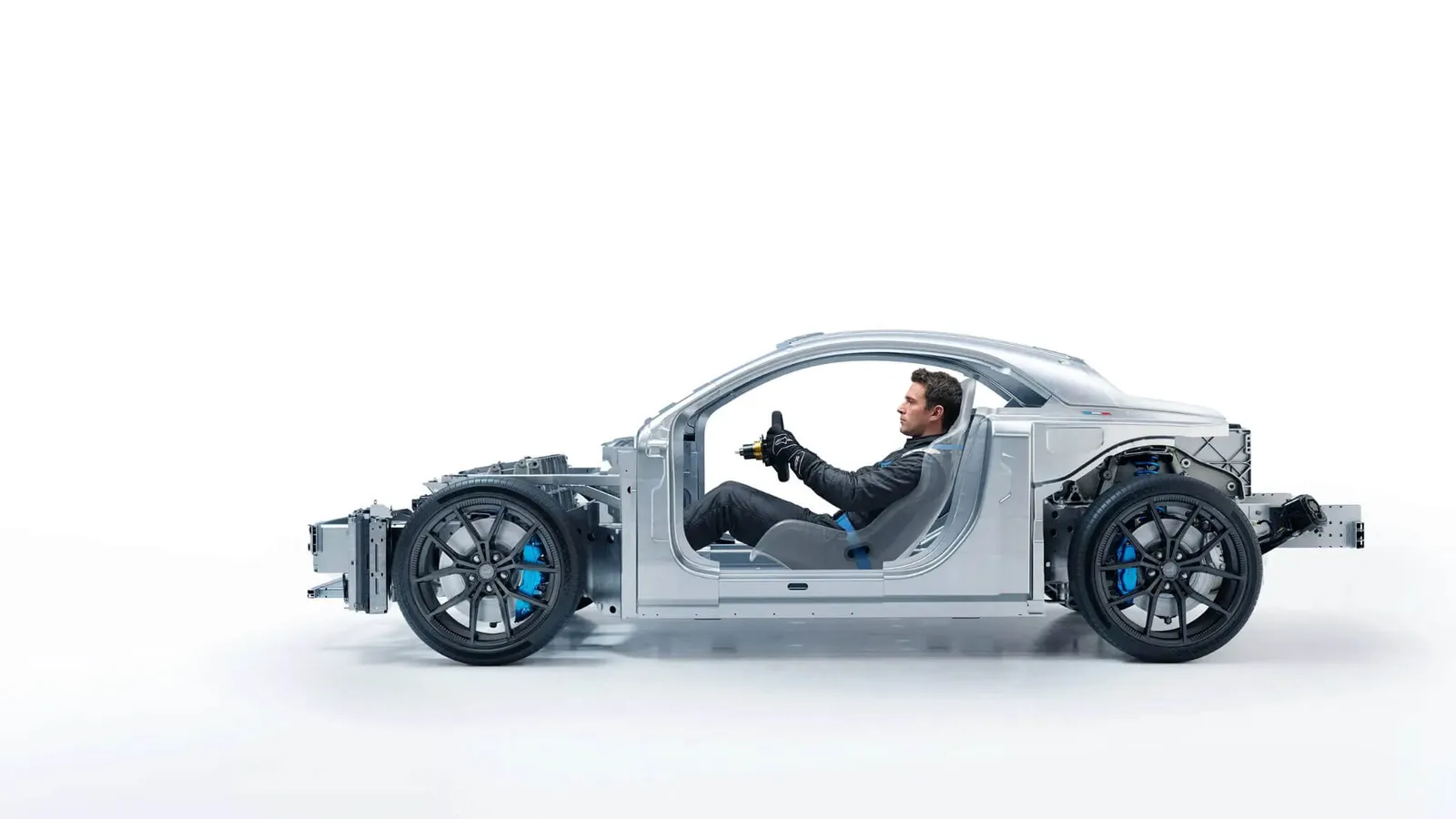
In addition, it provides versatility that opens up all kinds of possibilities for Alpine, as it can feature electric motors on both axles with the battery arranged in various positions.
But the possibilities don’t end here. According to some of Alpine’s engineers present at this presentation, the APP was designed with enough flexibility to eventually accommodate a combustion engine if market or regulatory developments warranted it.
What to expect?
What remains to be seen is what Alpine truly intends to achieve with this project. At this stage, it’s clear to everyone that the A310 Vision serves as a demonstrator of the APP’s potential.
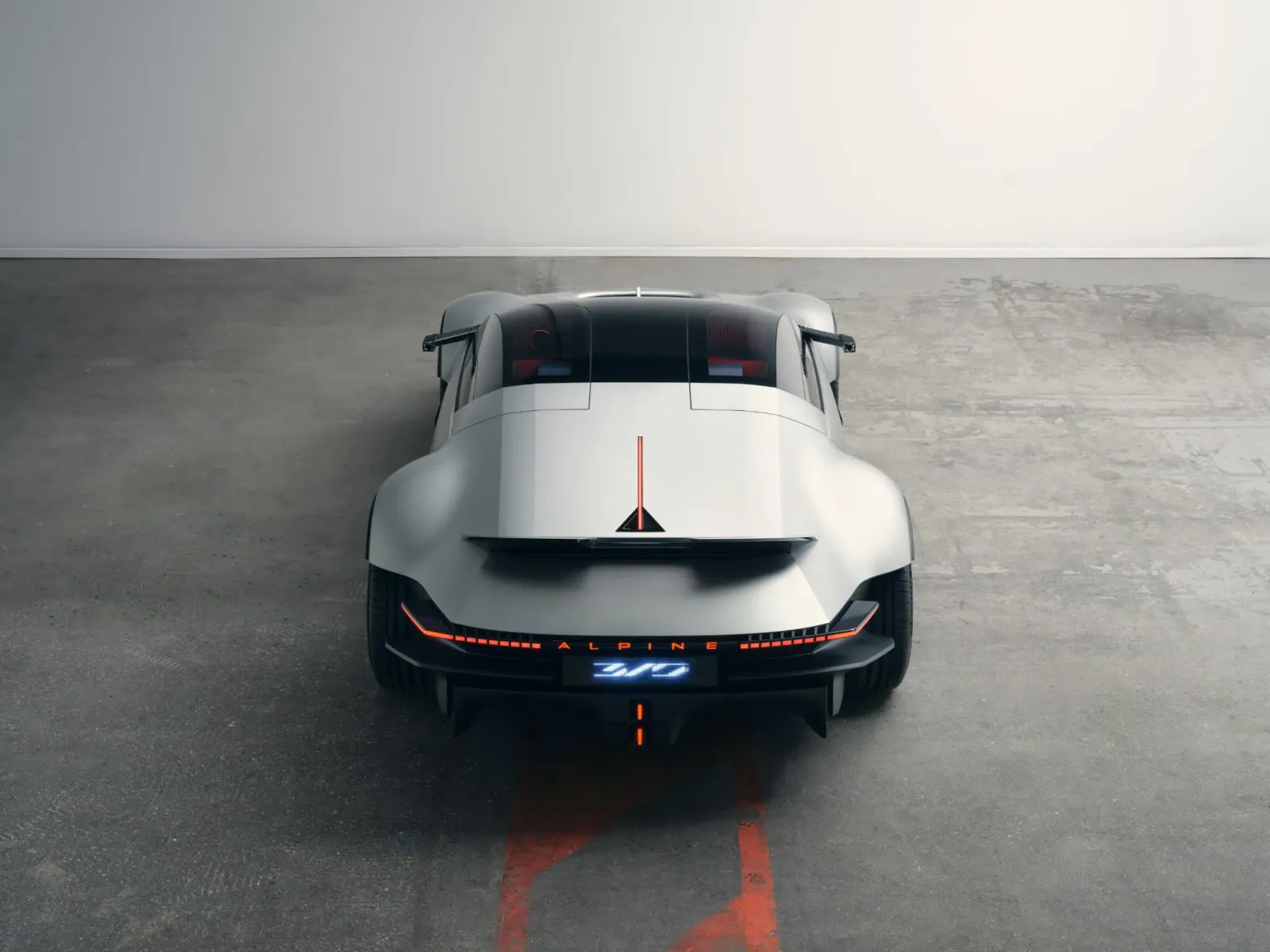
But after seeing this prototype in person, I must admit I’d like to see it lead to a new production A310. Whether that will happen or not can only be determined by time (or someone at Alpine).