
Aito, the Chinese brand backed by Huawei, confirms its arrival in Europe in 2027
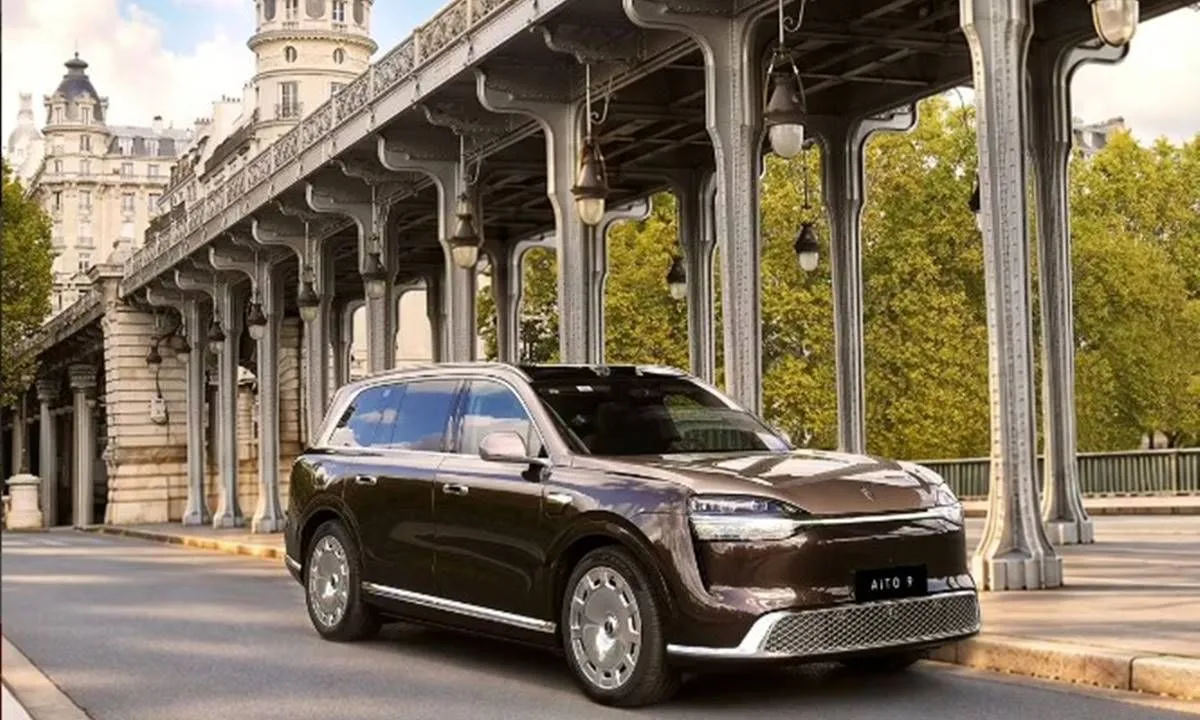
China continues to prepare for the arrival of new electric car brands in the European market. The latest to confirm its plans is Aito, a brand jointly developed by Huawei and Seres that aims to establish itself in an increasingly competitive market where Chinese manufacturers are expanding their presence.
The company used the Paris Motor Show to announce that it will begin its expansion into Europe in the fall of 2027. Many details remain unknown, but the announcement confirms that Aito is already working to prepare for its entry, a process that includes completing the necessary procedures to sell its vehicles in Europe.
Aito is a relatively young brand, founded in December 2021, that has managed to establish itself in China by focusing on electric cars and extended-range electric vehicle (EREV) models. Its current goal is to bring this approach to other markets, though it will need to overcome a challenge that goes far beyond simply offering good products: building a recognizable brand and a sales network capable of reaching the general public.
Four models to showcase in Europe
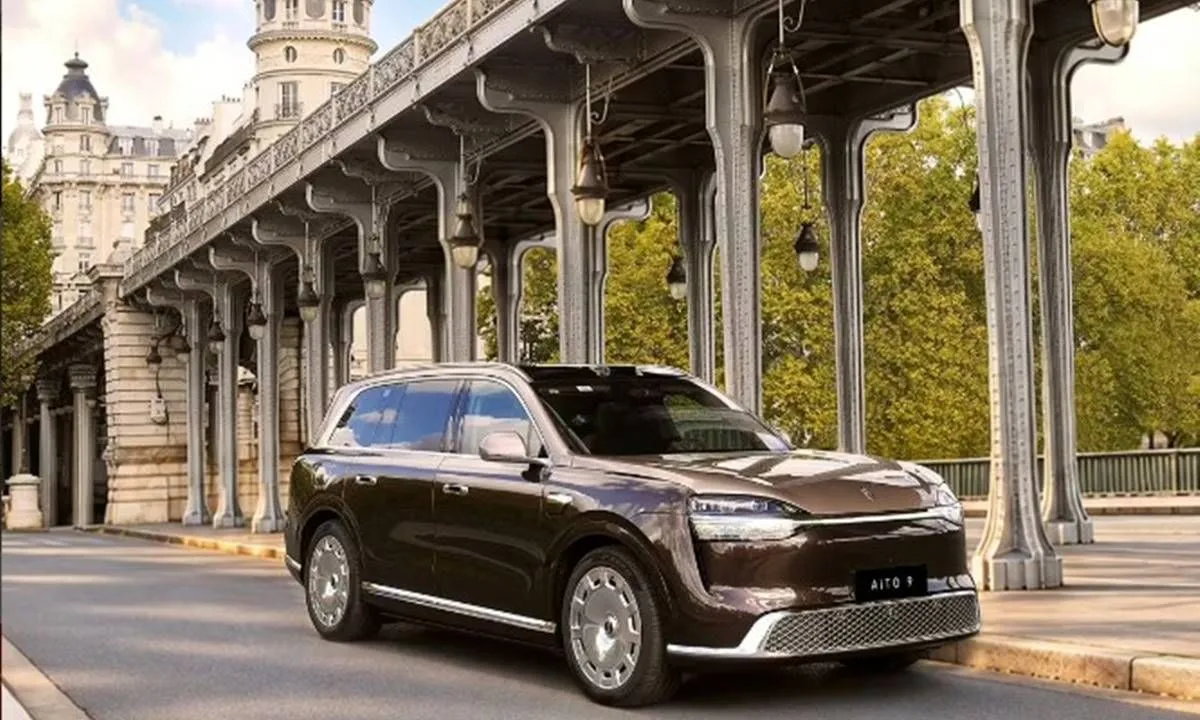
At the Paris auto show, Aito unveiled four SUVs that serve as an initial glimpse of its future European lineup: the Aito 6, Aito 7, Aito 8, and Aito 9. These are the international names chosen by the company, corresponding to models sold in China under different names. For example, the Aito 6 is known as the M6 in its home market, while the Aito 9 takes the place of the M9 as the brand’s flagship model.
The presence of these four models in Paris does not mean they will all go on sale in Europe right away. Aito has yet to confirm which vehicles will be launched commercially, what their prices will be, or which countries will receive the first units. It also has not specified how its dealership and after-sales service network will be organized, a factor that will be crucial for gaining the trust of European buyers.
The brand has begun the process to obtain European homologation for its vehicles, a requirement necessary to sell them in the European Union. This procedure, known as Worldwide Vehicle Type Approval (WVTA), is part of the preparations for their launch and indicates that the project has entered a more concrete phase, though it is still some time before the final details of their release become known.
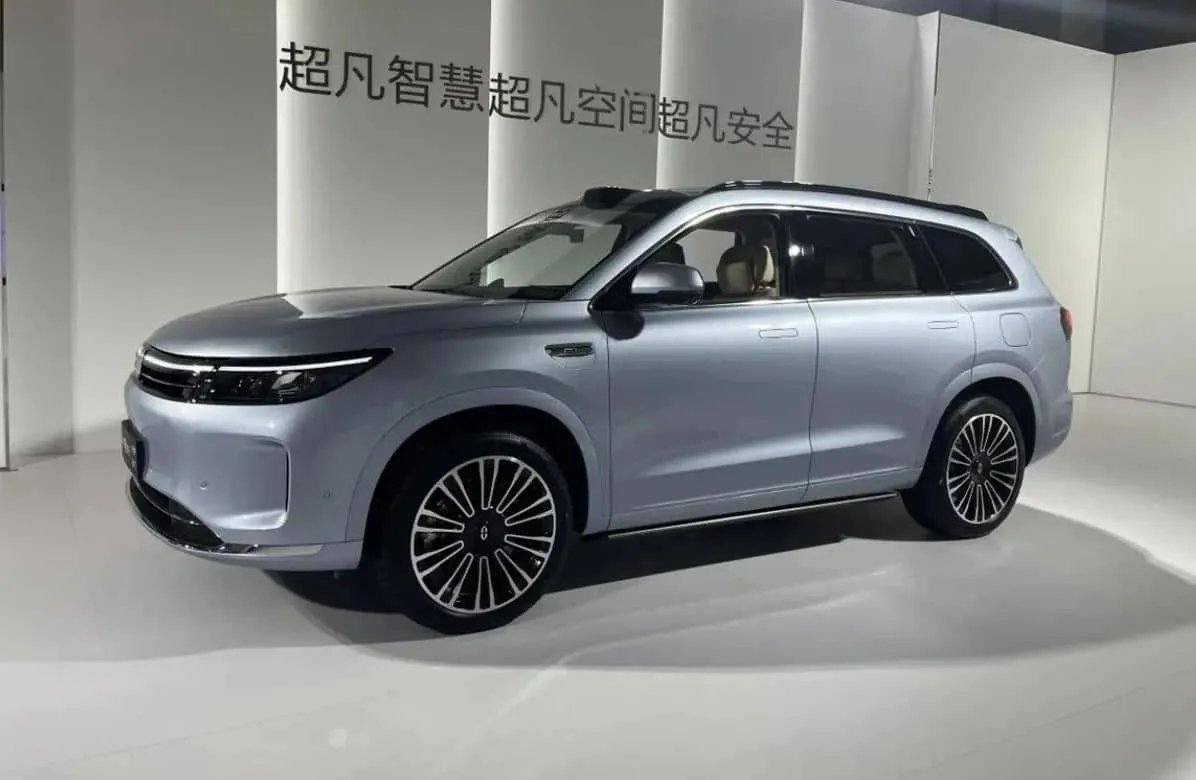
AITO started from scratch in China. It sold 420,000 cars in 2025 and has set a goal of reaching one million units per year by 2030. Behind its offerings is the partnership between Seres and Huawei, which provides technologies such as the ADS driver assistance system and the HarmonyOS multimedia system. The alliance between the two companies was strengthened by a new five-year agreement signed on September 30.
Seres, on the other hand, has some experience in Europe. It is present in certain markets and has even begun selling in Spain, though changes in distributors have impacted its progress.
Opinion: AITO’s challenge in Europe
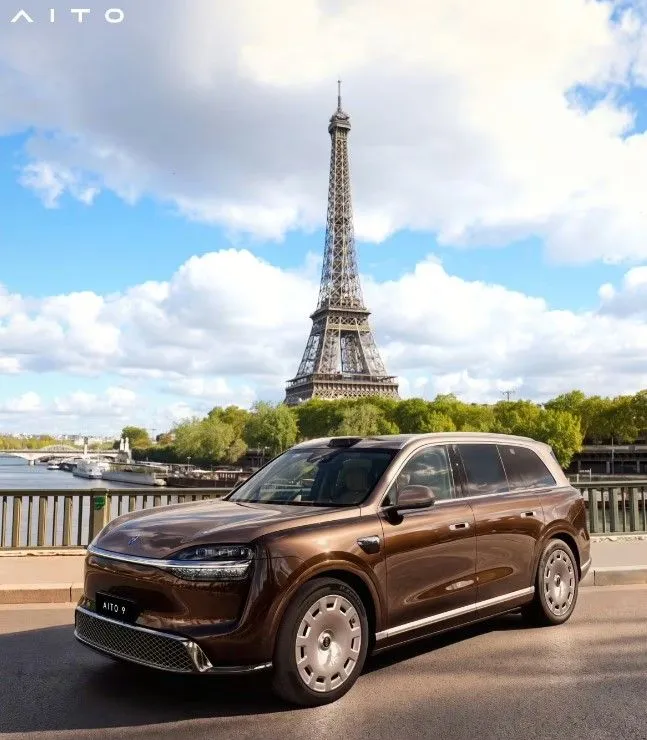
Aito adds to the growing list of Chinese manufacturers aiming to establish a presence in Europe. The issue is that having good products and advanced technology alone does not guarantee commercial success. Before convincing buyers, the brand will need to explain who it is, what it offers compared to its competitors, and what long-term guarantees it provides.
In Spain, Aito will also have to start almost from scratch in terms of recognition. Its name is still unknown to much of the public, and simply introducing a range of attractive SUVs is not enough to build a strong presence. Prices, vehicle availability, warranties, maintenance, and ease of access to official services will be just as important as the performance of its cars.
It will also be crucial for the company to maintain clear control over its business strategy. We hope Aito does not make the mistake of other Chinese brands by leaving almost all customer relations in the hands of local distributors. A network of dealerships may be essential for selling and servicing cars, but the brand must maintain a direct relationship with buyers, provide transparent information, and facilitate access to its products.
An example of the difficulties this strategy can create is Xpeng, which doesn’t even have a car configurator for Spain and fails to respond to inquiries through its form. At a time when many buyers start their purchasing process online, the inability to easily view vehicle versions, features, and prices makes it difficult for a brand to gain visibility and attract interest from those who are not yet familiar with it.
Aito will have time to prepare its entry into the market, but it would be wise for it to use these months to develop a comprehensive European strategy. This involves more than just finding distributors—it also requires creating websites tailored to each market, implementing a configurator, listing clear prices, and establishing a support network that builds trust.
Huawei’s technology and Seres’ industrial expertise can provide them with advantages in competition, but their success in Europe will also depend on how they manage their entry. In a market with increasingly many alternatives, Aito will need to prove that it is not just another Chinese brand bringing good cars, but a company committed to staying and taking care of its customers.