
Farewell to rare earths: the European electric motor aiming to transform the automotive industry
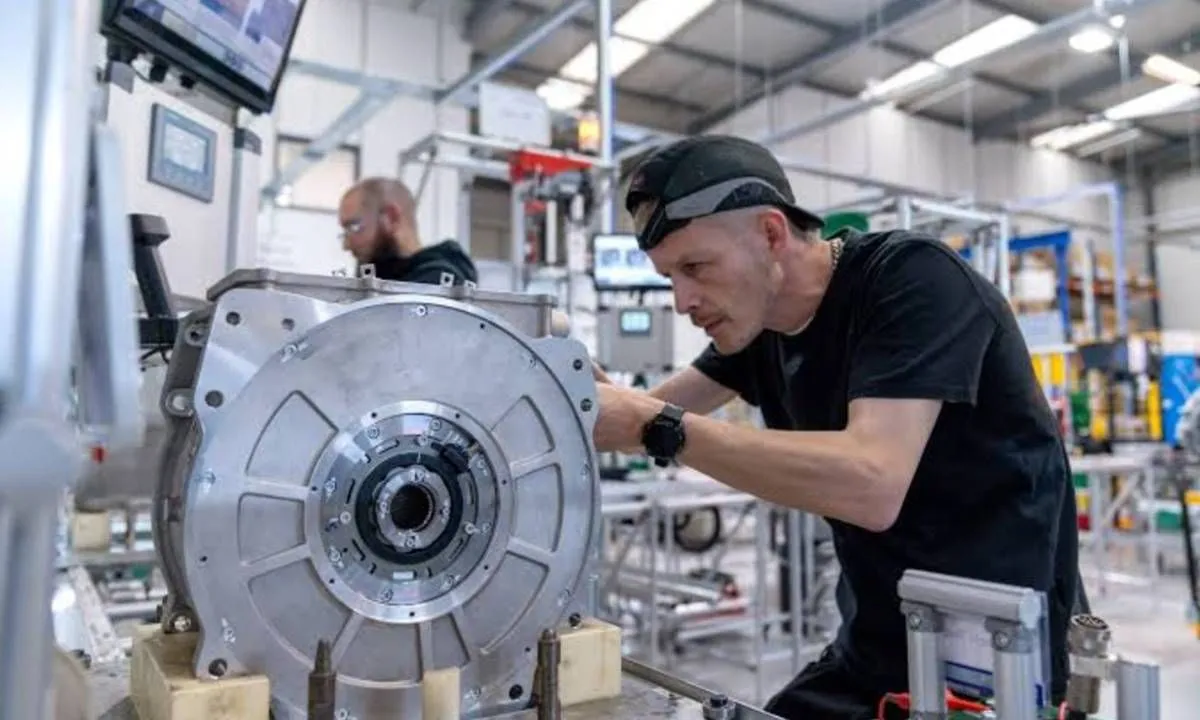
The automotive industry has been searching for years for ways to reduce its reliance on China for components and strategic raw materials. The shift toward electric vehicles has made this issue even more critical, as ensuring the supply of certain materials has become a challenge for European manufacturers. Now, a British company wants to prove that there is another way to design electric motors.
This proposal is particularly interesting at a time when trade tensions and export restrictions could strain entire production chains. The solution involves eliminating some of the materials currently commonly used in electric motors, with the aim of simplifying their manufacturing and reducing costs.
Rare Earths and Semiconductors: Europe’s Weak Points
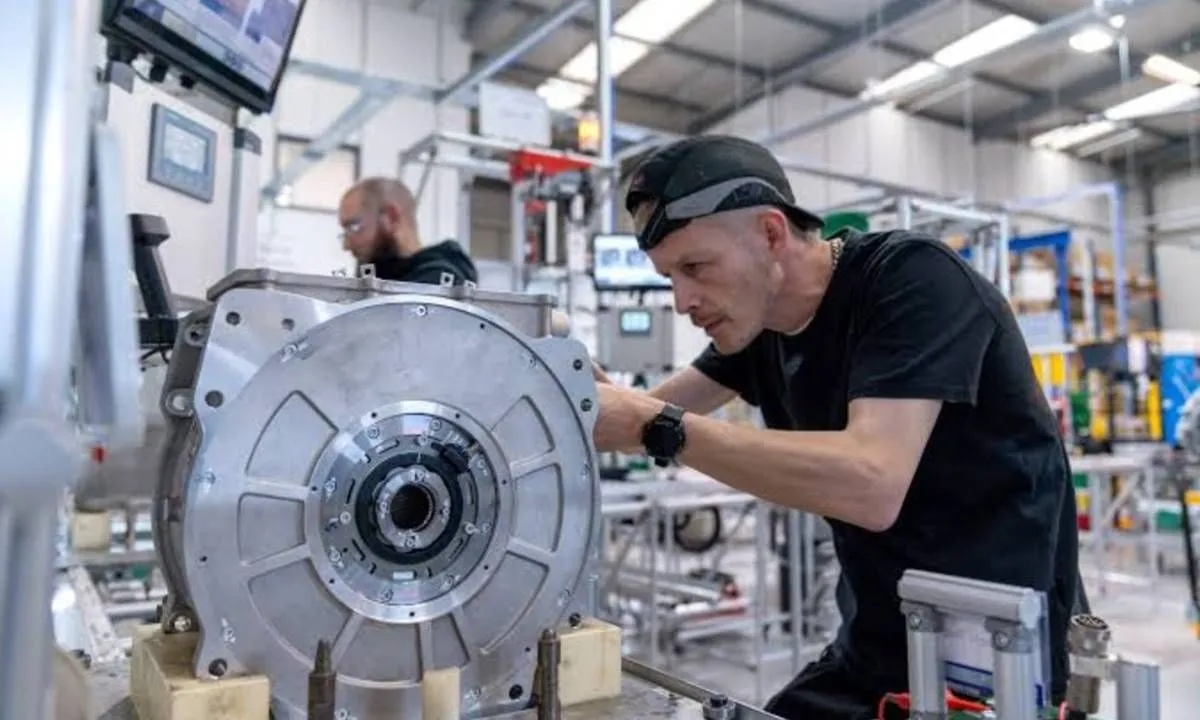
Despite investments made to boost industrial autonomy, Europe still relies on foreign suppliers for many essential automotive components. China holds a particularly significant role in the supply and processing of rare earths, materials used in various industrial applications and playing a key role in the manufacture of certain electric motors.
This dependence poses a risk when trade restrictions or geopolitical issues arise. The consequences can extend beyond higher costs for raw materials to affect manufacturers' production rates as well. Semiconductors are another example of how the lack of a seemingly small component can cause significant problems across the entire automotive industry.
In the case of electric vehicles, this issue becomes even more critical as production increases. Many motors rely on permanent magnets that contain rare earth elements, so finding alternatives helps reduce exposure to these materials and diversify supply chains.
In this context, Advanced Electric Machines (AEM), a British startup, has developed an electric motor that eliminates both permanent magnets and rare earth elements. Its goal is to provide an alternative to the most common solutions on the market without compromising the performance required for industrial and automotive applications.
An electric motor that does without magnets and rare earths
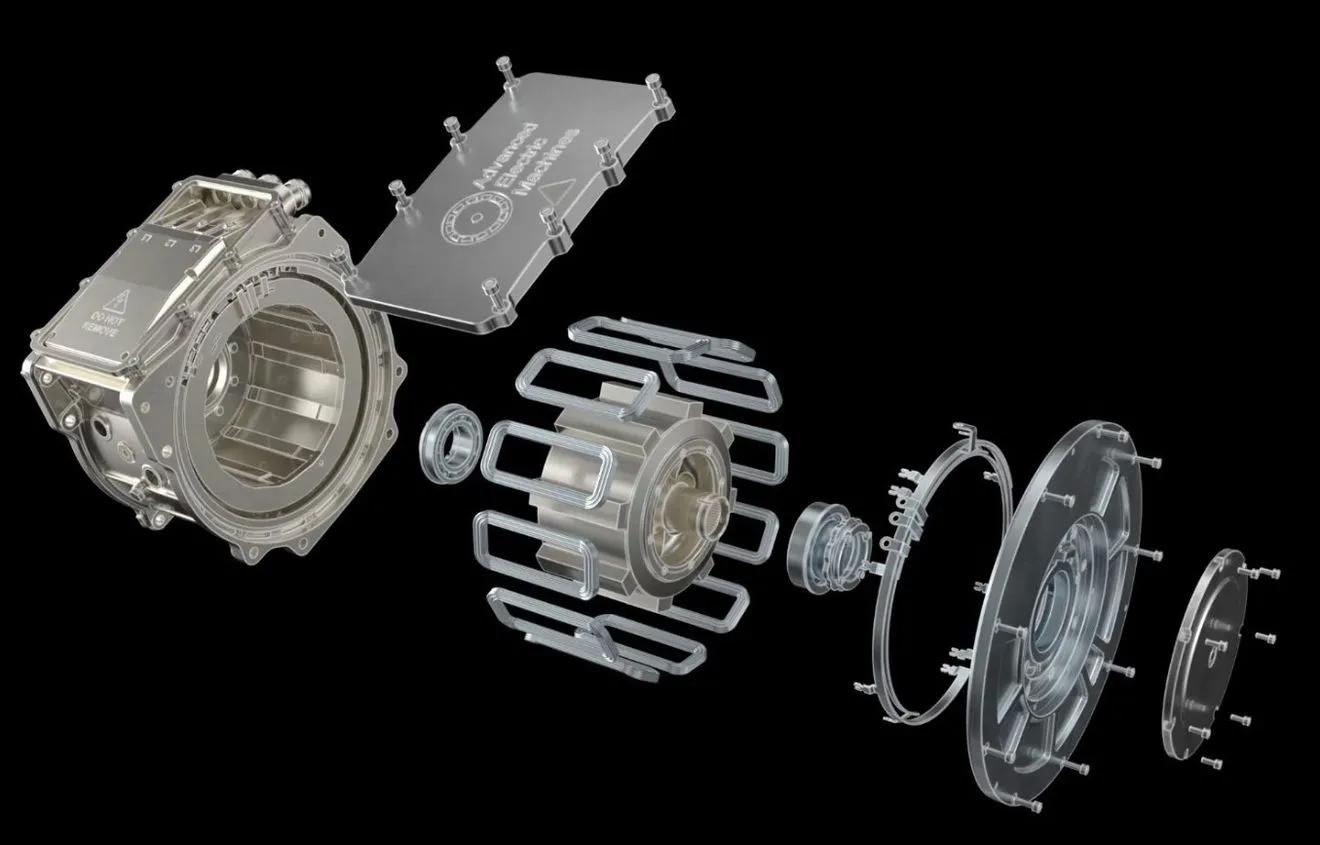
AEM’s technology stands out by eliminating two common elements found in many electric motors: permanent magnets and rare earth materials used in their production. This could offer a strategic advantage to European manufacturers, who would have the opportunity to reduce their reliance on certain suppliers and gain more flexibility in managing their supply chains.
The company also highlights the use of materials such as aluminum and steel, which can be recovered and recycled. Avoiding expensive and hard-to-obtain components could help reduce manufacturing costs, though the ultimate savings will depend on the motor design, the required industrial processes, and the volume of production achieved.
James Widmer, co-founder of AEM, explained that the engine has exceeded the company’s expectations and demonstrated its reliability and efficiency during tests that, according to published information, have covered millions of kilometers. This is a significant figure for a technology aiming to transition from development tests to large-scale commercial use.
The company is working with a European industrial partner whose name has not been disclosed. The collaboration aims at a project with potential for mass production, although all the details of the agreement and the specific applications where this technology will be deployed are still unknown.
Mass production is scheduled for 2030, according to information published by Auto Plus. Until then, one of the main challenges will be proving that the engine can compete with conventional alternatives not only due to its lower reliance on strategic raw materials but also because of its cost, efficiency, durability, and ease of manufacturing.
If the project meets its goals, European manufacturers could have an additional option for developing electric engines with supply chains less vulnerable to Beijing’s decisions. This wouldn’t eliminate all industrial dependence on China, but it would reduce it in a key component for the expansion of electric vehicles.