
ADAC tested how voice assistants work in new cars on 40 models. Results varied.
In short:
ADAC tested how voice assistants work in new cars
The German automobile club examined 40 models
What are the findings? Modern cars understand drivers’ commands better and better
They still cannot replace traditional control elements, especially those related to safety
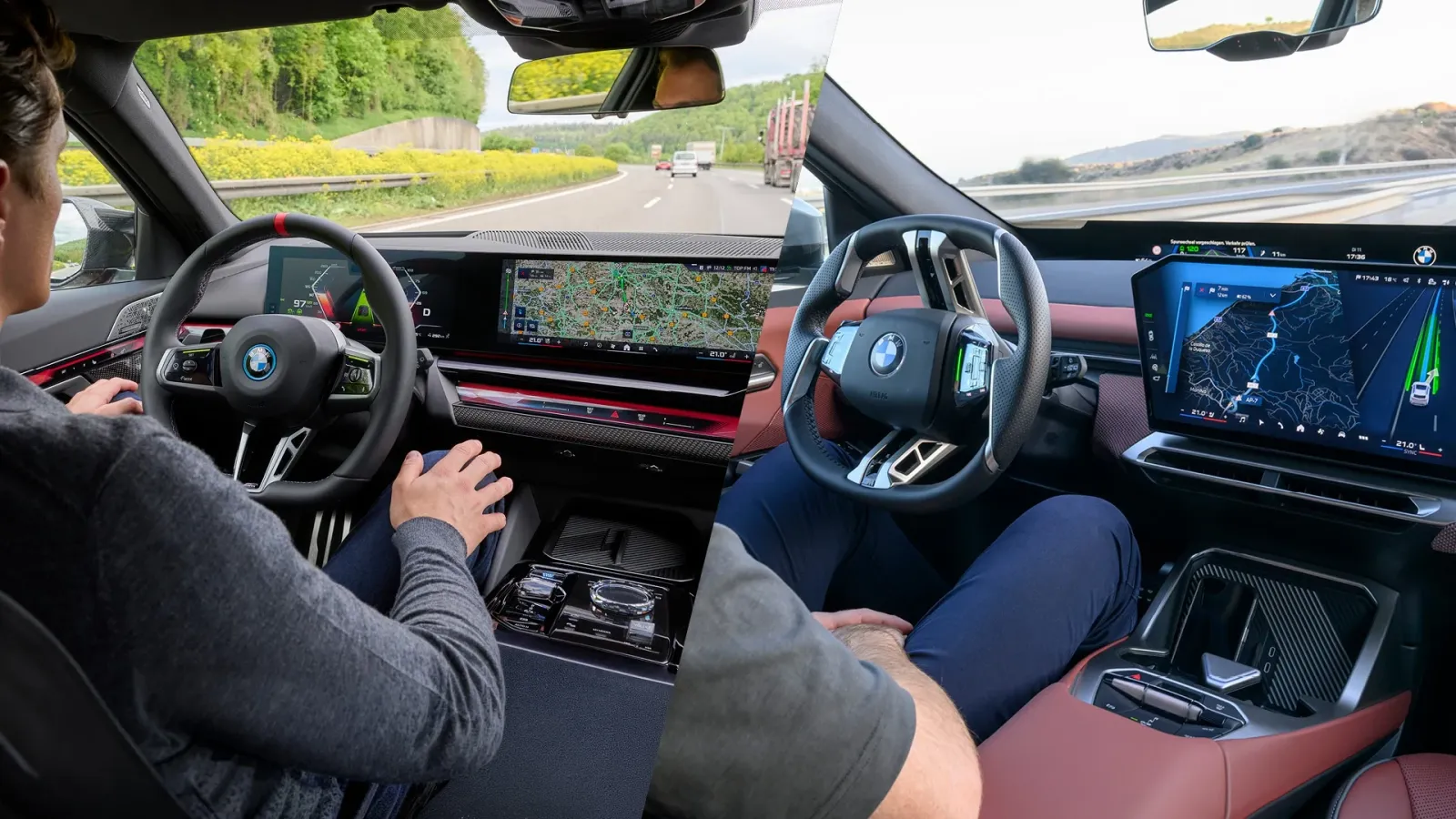
BMW Series 5 performed best in the test. The new Suzuki e-Vitara performed particularly poorly
ADAC tested the voice assistants
The operation of modern cars is changing in the blink of an eye. Physical buttons and knobs, which have been the foundation of driver interaction with vehicles for decades, are increasingly being replaced by touchscreens and multi-level menus in multimedia systems. This trend has raised concerns among safety experts, including those from the Institute of Road Transport, who point out that complicated controls distract drivers from the road and may increase accident risks.
"For some time now, industry organizations have been urging manufacturers to include physical buttons for device control to improve safety. So that drivers can do everything intuitively without taking their eyes off the road," said Mikołaj Krupiński from the Institute of Road Transport in an interview with Tvn Turbo’s editorial team.
The German automobile club ADAC decided to investigate whether the voice control systems being developed by manufacturers can truly become an effective solution to the problem of driver digital overload. As part of its latest analysis, 40 car models were subjected to a series of tests involving 18 voice commands across three areas: infotainment system operation, air conditioning control, and safety-related functions.
The results show that the technology is progressing in the right direction, but it still has its limitations.
The BMW 5 series performed best in the study. This German luxury sedan correctly executed 16 out of 18 tested voice commands, earning the highest score in the entire comparison. A total of 16 models under review received a “good” rating, indicating that many manufacturers are taking the development of voice interfaces very seriously.
However, some cheaper models performed much worse. The new Suzuki e-Vitara especially struggled, managing only three out of 18 tested commands and receiving a failing rating. Drivers of Dacia vehicles might also be disappointed. Although there is a button on the steering wheel to activate voice control, in practice it only activates functions of the connected smartphone, not the car’s systems. Interestingly, Renault’s structurally similar models equipped with almost identical solutions already allow direct control of the vehicle using voice commands — according to the club’s website.
Infotainment and Its Challenges
The greatest potential of modern voice assistants is evident in the field of infotainment. It is in this area that cars have achieved the best results. As many as 35 out of 40 models tested received a good or very good rating for functions such as navigation, radio, and multimedia. This allows drivers to increasingly change radio stations, search for destinations, or activate specific functions without taking their hands off the steering wheel.
Climate control performed slightly worse, but still at a high level. In this category, 26 models received one of the two highest ratings. This means that in most new cars, it is now possible to adjust the interior temperature verbally or manage selected ventilation settings.
Comfort at the Cost of Safety?
The real challenge arises with functions related to safety. According to ADAC, voice systems in the vast majority of vehicles do not allow for effective control of elements such as hazard lights or driver warning systems. In this category, as many as 32 cars received a poor rating.
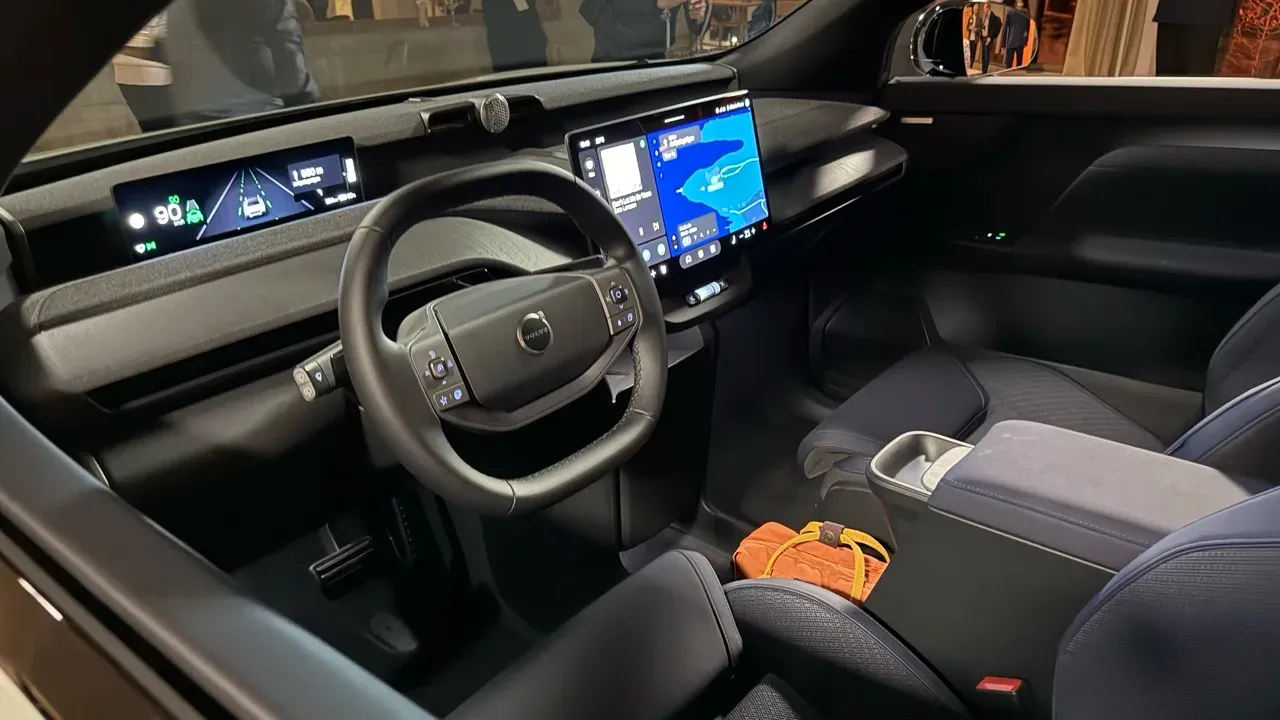
According to experts from the German automobile club, this confirms that voice control should be viewed as a supplement rather than a replacement for traditional controls. As ADAC emphasizes, “voice assistant systems provide assistance in daily car use,” but they cannot serve as “reliable substitutes for missing physical control elements,” especially for functions related to safety.
Experts note that drivers gain the most benefits from voice commands when performing more complex tasks. A good example is entering addresses into navigation, which can be time-consuming and require focused attention using a touchscreen. In such situations, voice control not only proves more convenient but is often the best way to operate the system.
Conclusion?
Basically one. The automotive industry will become increasingly linked to voice communication between the driver and the car, but manufacturers should not treat this technology as an excuse to completely abandon buttons and switches. Because while modern cars are listening better to their users, in situations requiring immediate reaction, pressing a button remains the most effective solution for drivers.
Oskar Włostowski
