
2027 could well become the year of electric vehicles
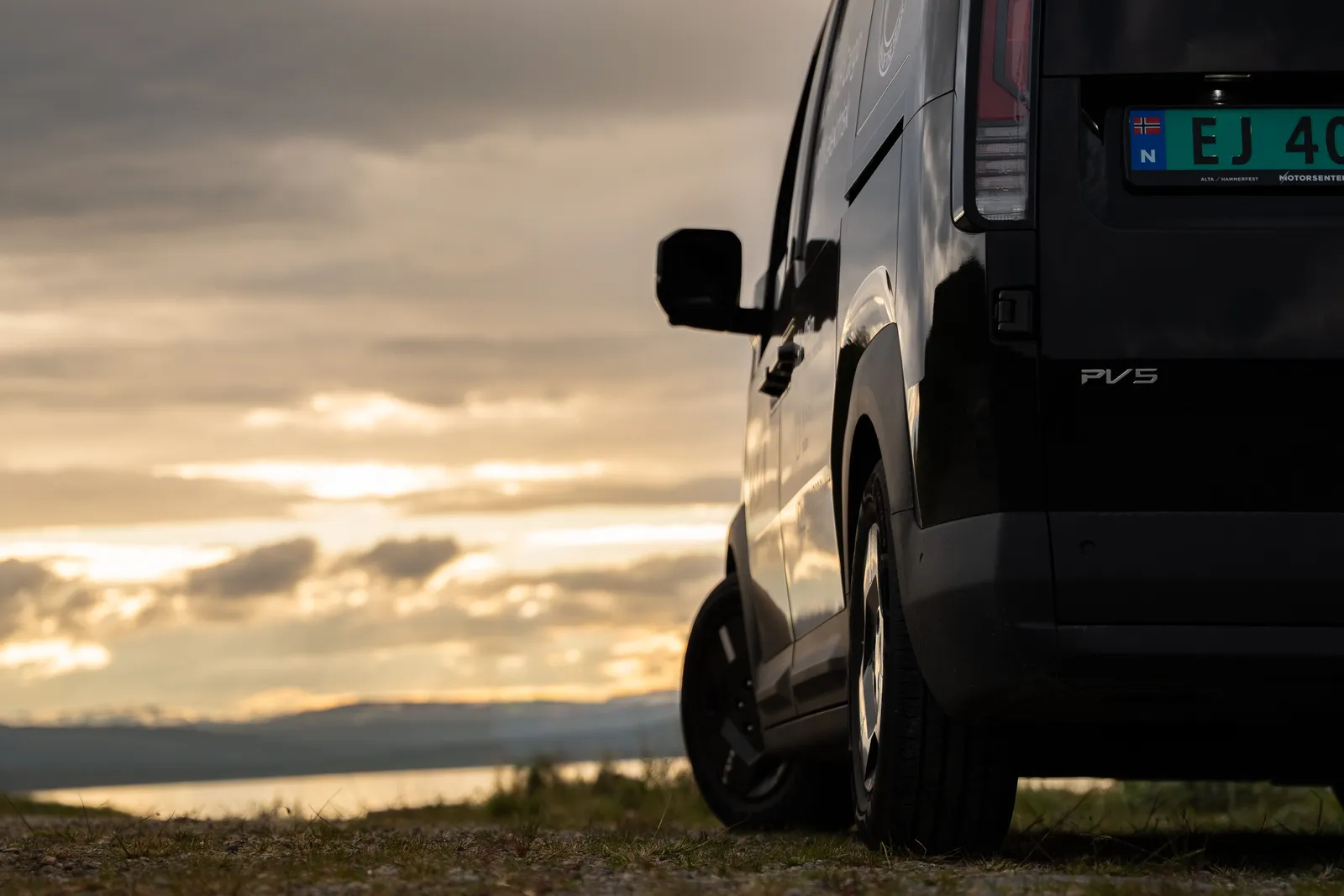
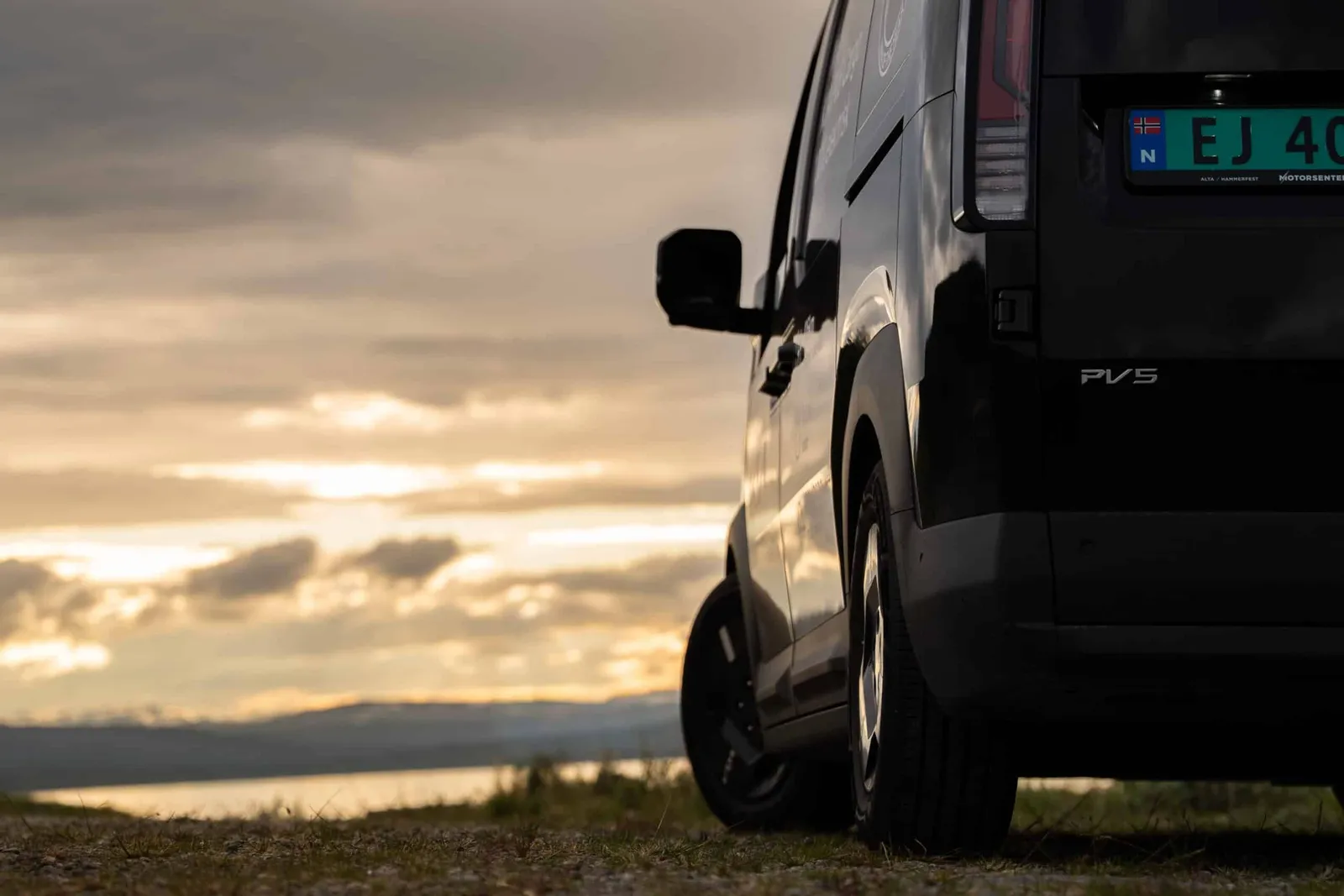
The proposed state budget for 2027 suggests eliminating taxes on electric vehicles. At the same time, there could be increased taxes on new fossil fuel vehicles.
14.10.2026 07:02 | Updated 10:17
Electric cars have completely overtaken gasoline and diesel vehicles, but progress in the automotive sector has been slower.
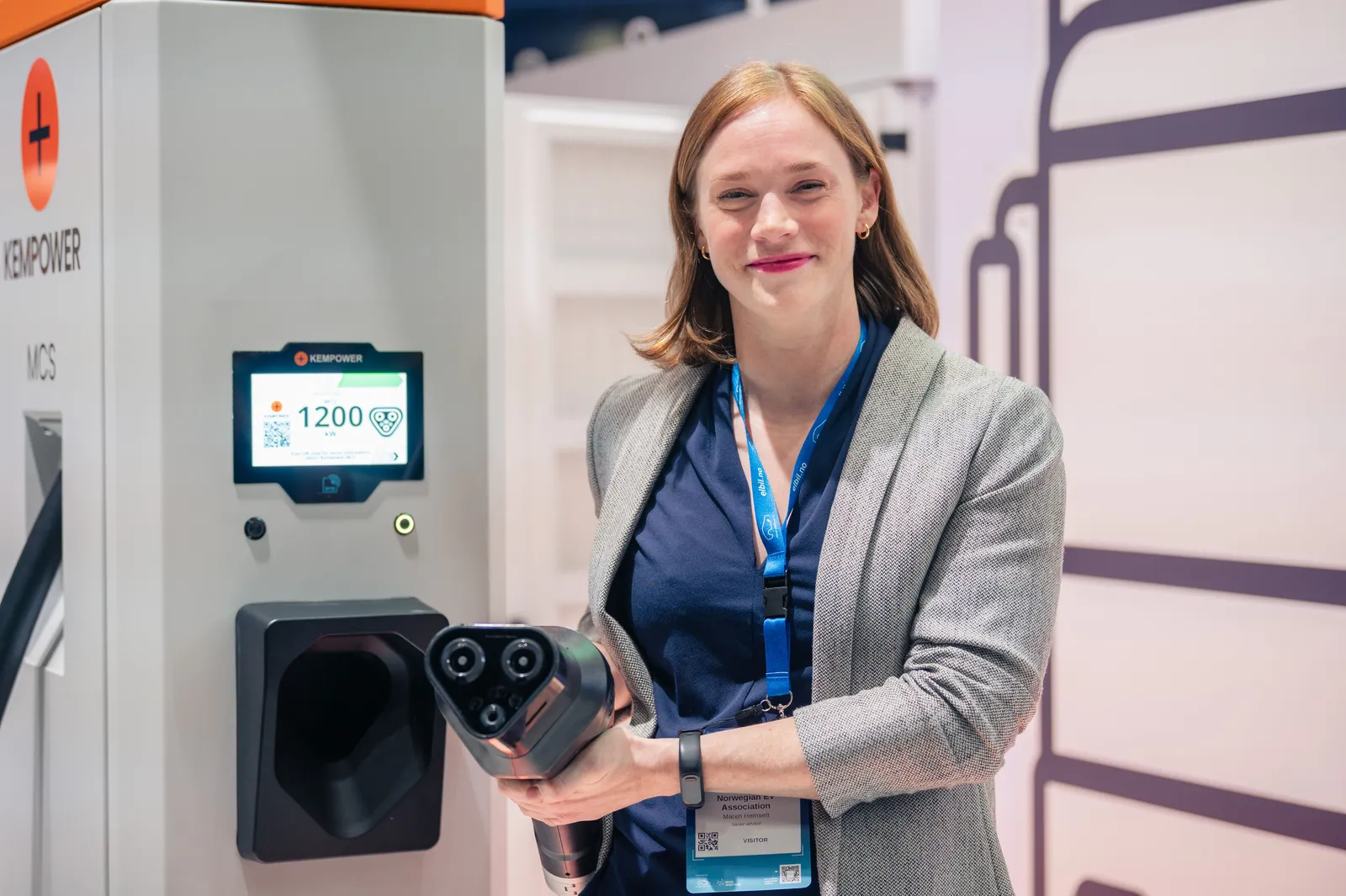
– A poorer selection of good electric vehicle models is part of the reason why electrification in the automotive industry has progressed slowly, but it’s starting to become an outdated excuse, says project leader Maren Hemsett at the Electric Vehicle Association.
Poor range, slow charging, insufficient payload capacity, or lack of all-wheel drive have previously been real challenges for electric trucks.
In recent years, however, several automakers have introduced models that address these shortcomings.
Hemsett believes therefore that the underlying conditions have been the main reason why electric trucks have performed worse than electric cars in the passenger vehicle market over the past two years.
Politicians have finally woken up
Many signs indicate that this is starting to change:
The one-time fee for polluting trucks increased in September, and new increases are being discussed in the 2027 budget negotiations.
All electric trucks are set to be exempt from traffic insurance fees starting next year.
The government is exploring new rules for electric vehicles in public spaces, with the goal of ensuring that electric cars can access these areas freely even without passengers.
15,000 kroner increase in fee for fossil fuel vehicles
During debates on the revised budget this spring, there were discussions about raising the one-time fee for new fossil fuel vehicles. It is unusual to discuss fee changes in spring, and the implementation date was also somewhat unexpected: September 1.
The results were as expected.
In September, electric vehicles set a new monthly record with a significant margin—accounting for 74.6 percent of sales. The previous month, their share was only 44.9 percent.
“First and foremost, this shows how effective the one-time fee is at influencing what sells in the automotive market,” says Maren Hemsett.
Topic in budget negotiations
Now several politicians have also noticed the one-time fee as a tool to boost sales of electric vehicles.
Frøya Sjursæther, a member of the Green Party in Parliament, is one of them:
– The budget bill should raise the one-time fee for new fossil fuel vehicles. This could help reduce greenhouse gas emissions from road transport immediately, says Sjursæther.
She receives support from Lars Haltbrekken of the SV party:
– Parliament has decided that all vehicle sales must be electric by 2029. Policy must follow suit and progress year by year.

But what about battery prices?
While the use of such incentives is set to be strengthened in various areas, there are also some obstacles along the way.
Today, we have a national rule stating that electric vehicles pay a maximum of 70 percent of the tax on gasoline cars. The budget proposal from the Ministry of Transport suggests breaking this rule, initially for Rogaland, which would effectively eliminate the rule altogether.
In that case, buyers of electric vehicles would no longer have any guarantee regarding environmentally friendly batteries during tax assessments when investing in electric vehicles.
“I’m a bit disappointed that the government is resorting to this measure to reduce fuel use when what’s needed are better framework conditions,” says Maren Hemsett.
She says the Electric Vehicle Association is currently working hard in the Storting to prevent the government’s proposal from being approved.
The proposed state budget for 2027 will be voted on in December, with negotiations taking place between the Labour Party, Centre Party, SV, MDG, and Red Party.

More like this?
Sign up for our newsletter
– get electric vehicle news straight to your inbox!
Also read
The post 2027 kan fort bli elvarebilenes år appeared first on Norsk elbilforening.