
100 chargers with 1,500 kW capacity by 2026 and up to 3,000 by 2027 to recharge your electric BYD as quickly as a gasoline car
14/10/2026 10:00
Updated to
14/10/2026 10:00
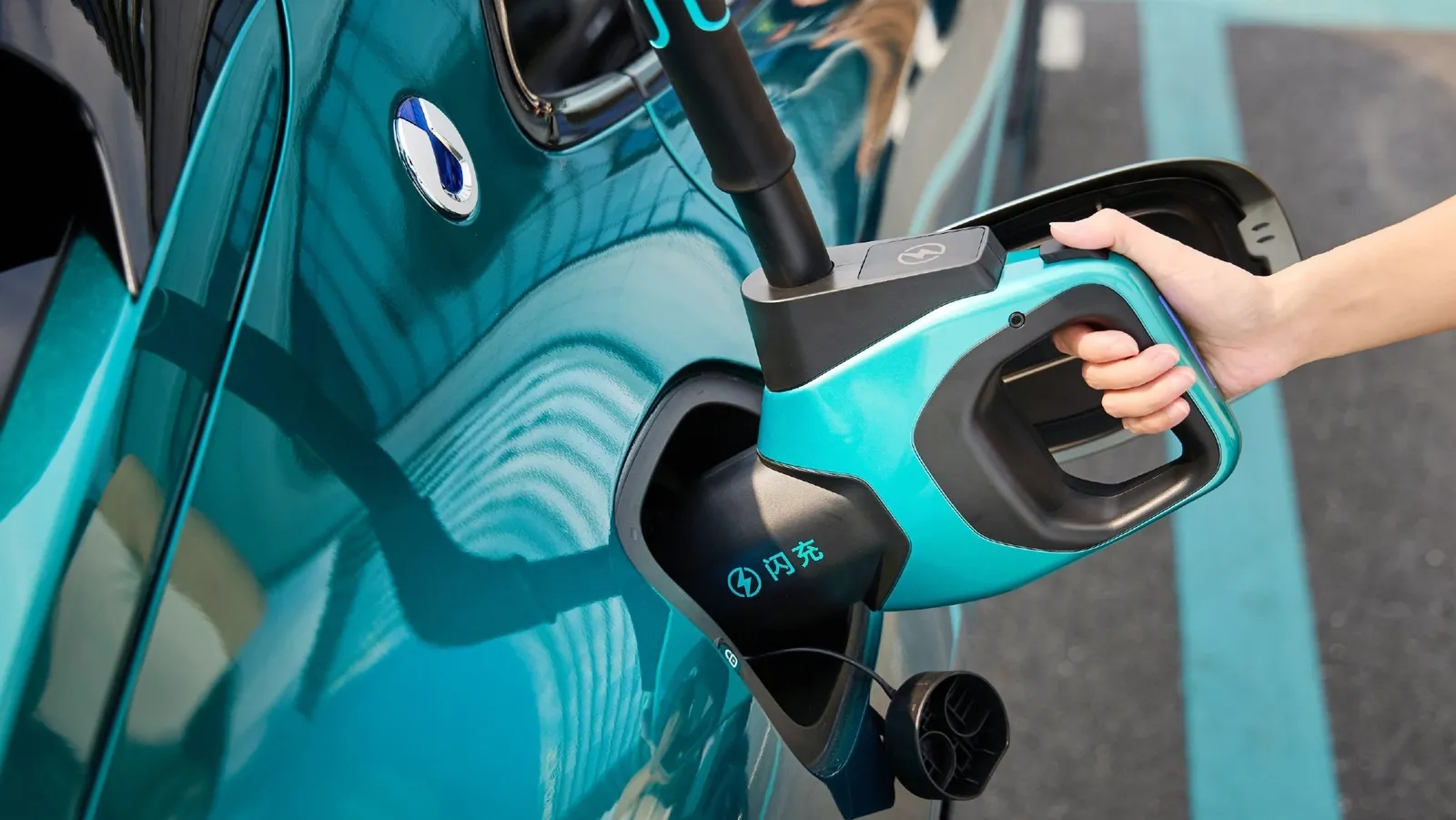
BYD continues to advance its strategy to become one of the key players in Europe’s electric vehicle market. The Chinese manufacturer is not only expanding its vehicle lineup but also preparing to deploy its own charging infrastructure, which promises to significantly reduce waiting times. At the 2026 Paris Motor Show, the company confirmed that it will install 100 ultra-fast chargers in Europe by the end of this year as a first step toward a much more ambitious project.
The real expansion will occur in 2027, when BYD aims to raise this number to 3,000 chargers across the continent. All of them will be based on its “Flash Charging” technology, capable of reaching powers up to 1,500 kW and designed to work together with the second generation of its “Blade Battery” systems. With this combination, the brand claims it is possible to restore a significant portion of a battery’s capacity in just a few minutes of charging, bringing charging times close to those of conventional refueling.
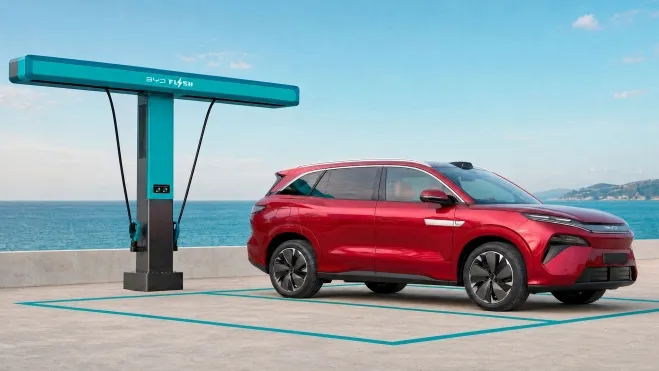
BYD wants to install 3,000 ultra-fast chargers in Europe
The European rollout has already begun. BYD launched its first ultra-fast charging station in Germany last June, and it also has facilities using this technology in other European countries, including the United Kingdom. The goal is to have a hundred chargers by the end of 2026, tripling that number in the following year to reach 3,000 stations by the end of 2027.
Flash Charging technology represents one of BYD’s most significant advancements in the field of electrification. Its chargers can deliver up to 1,500 kW of power through a single DC connector, a figure that enables full utilization of the capabilities of the new Blade Battery 2.0. According to the manufacturer’s official data, a compatible vehicle can restore 10% to 70% of its battery in 5 minutes, while reaching 97% takes only 9 minutes. Even at temperatures of -30ºC, BYD claims it is possible to go from 20% to 97% in approximately 12 minutes.
To facilitate the installation of these devices, the company has developed stations equipped with energy storage systems. These allow electricity to be stored at lower voltages and used later during high-power charging, thereby reducing the strain on the electrical grid. Additionally, BYD plans to integrate its new chargers into existing service stations and charging facilities, a strategy that could help expand its presence across various European countries.
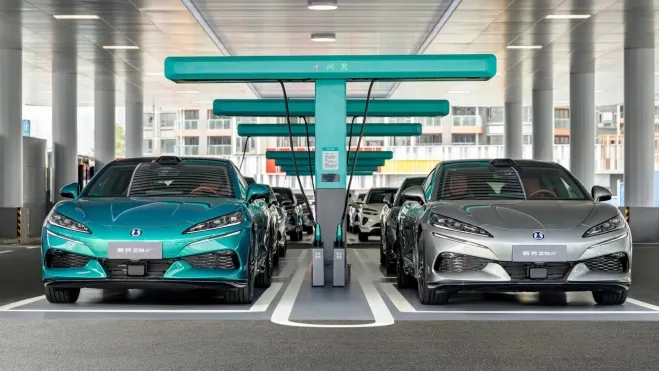
The first cars compatible with 1,500 kW charging will arrive in Europe
The deployment of this infrastructure will be accompanied by the arrival of new vehicles capable of utilizing it. Currently, the Denza Z9 GT is the only car from BYD’s lineup sold in Europe that features this technology, though the company has already confirmed its catalog of compatible models will expand in the coming months.
One of the key models to emerge is the new BYD Atto 8, a 7-seater electric SUV unveiled at the Paris Motor Show that will hit European markets in the first quarter of 2027. This model is equipped with an 115 kWh LFP battery, claims up to 653 kilometers of WLTP range, and delivers a total power output of 764 horsepower thanks to its two electric motors. It will be the first BYD vehicle sold in Europe to feature Flash Charging technology, with additional models following later in the year.
For reference, BYD already has 12,165 Flash Charging chargers in China and remains on track to reach 20,000 stations by the end of 2026. Outside its domestic market, the company aims to have 6,000 installations by the end of 2027, with half of them located in Europe. So far, no details have been provided on how many of these chargers will be installed specifically in Spain or the locations chosen for deployment.