
Digital Communication and Future Marketing in Electric Vehicle Charging
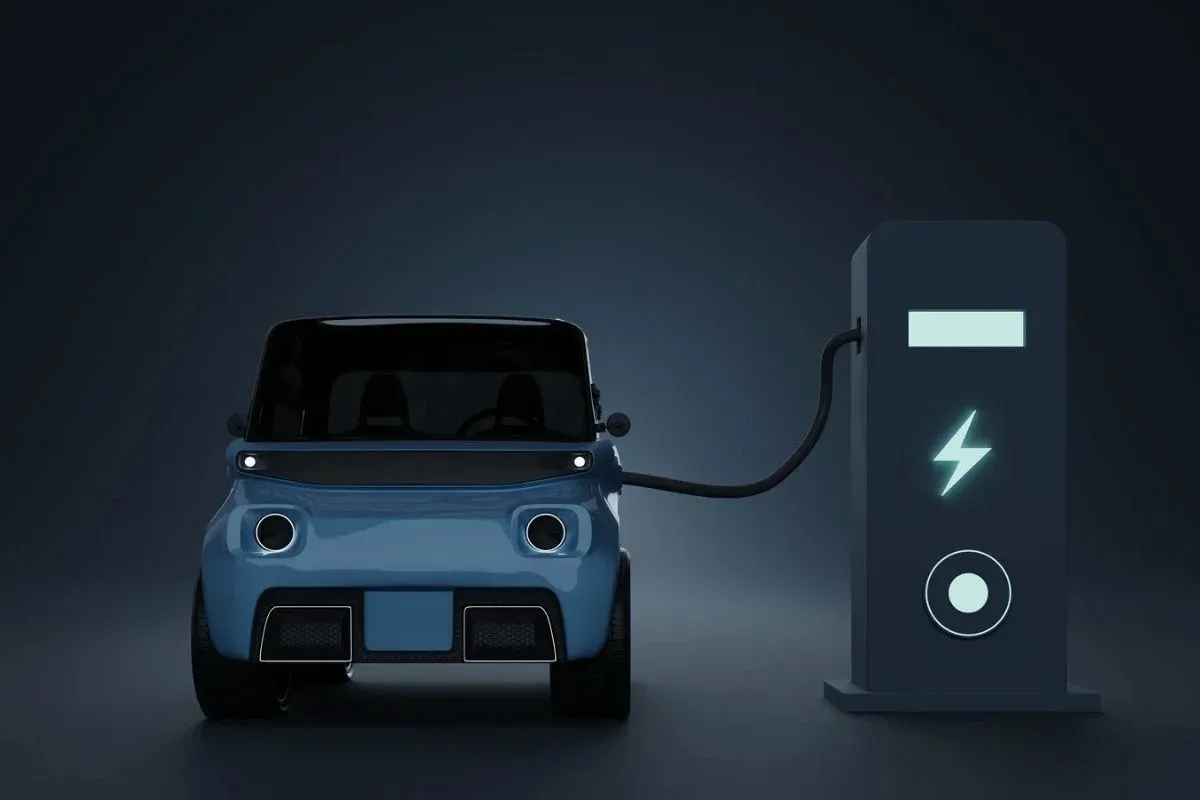
In just a few years, electric vehicle charging has evolved from something reserved for enthusiasts to a regular part of everyday life for many Norwegians. As a result, the market has also changed. Charging operators, electricians who install charging stations, companies that need to choose solutions, and providers of smart home charging systems all compete for the attention of customers who often have many questions and little time. Those who communicate most clearly usually get the job.
Where do new electric vehicle owners learn how to charge at home? Increasingly on TikTok. A 30-second video showing an electrician the difference between a regular outlet and a charging station can be more effective than a long brochure. The problem for charging companies is that their TikTok accounts are often brand new, and new accounts have few followers to show their videos to. Buying TikTok followers is a quick way to fill out the profile before the first professional videos are published, and this can be done through https://vinyadmedia.no/.
Trust is crucial when someone needs to let an electrician into their garage. A TikTok account with a substantial follower base, an active comment section, and videos that get shared shows that the business is active and knows what it’s talking about. Each new video thus becomes a small showcase of their expertise.
From technical product to everyday service
Previously, charging was often presented using technical terms such as kilowatts, phases, and charging power. This information remains important, but most customers are more concerned with practical matters. How long does it take to charge overnight? How much does it cost? Can I share the charger with my neighbors? Does it work with solar panels on the roof?
Good digital communication involves answering these questions in a way that people understand. A charging provider who explains the differences between various charging stations using simple everyday examples builds more trust than one that merely lists technical specifications. The Wikipedia article on electric vehicles provides a basic overview of the technology, but your customers need to know first and foremost what it means for them.
The Most Important Channels
The website is still in its infancy. It should have updated prices or price estimates, clear information about the areas they cover, and an easy way to request a quote. Many customers still start their search elsewhere. They watch a video, read a comment, or get a recommendation in a homeowners’ Facebook group before visiting the website.
Therefore, social media is no longer just a supplementary tool. TikTok and Instagram are great for showcasing installations, before-and-after photos of garages, and brief explanations of common issues. TikTok for Business offers resources for businesses wanting to learn the platform, and it’s worth spending some time there before getting started. LinkedIn is better suited for B2B, such as when a charging operator wants to reach out to property developers or municipalities.
Don’t forget the business profile on Google and the reviews there. When people search for electricians or charging stations in their area, map results are often what they see first. Good reviews, updated hours, and photos of actual installations make customers choose to call you right away. Ask satisfied customers for a brief review after the job is done, and respond politely to all reviews, even those that are less positive.
It’s also worth considering what information people look for while on the go. A list of charging stations in Norway is useful for readers, and businesses that create similar practical content tend to get noticed by exactly the customers they want.
Content that answers real questions
The best marketing in this industry resembles traditional advertising only slightly. It is more like excellent customer service. Consider the questions you receive most frequently over the phone and by email, and create content that addresses them. Each video or article can save you many calls down the road while also demonstrating your expertise.
Some effective examples include short videos showing what happens during an installation, explanations on how to get the lowest price overnight, and honest answers to what affects installation costs. Many customers also value smart home charging, and it is a topic that works well for both videos and longer texts.
Customer stories are another powerful type of content. A short video from a satisfied family who has received a charging box and solar panels often conveys more than ten product descriptions. Ask customers for permission and let them tell their own story.
How to get started
Many smaller businesses in the industry find it difficult to find time for marketing alongside daily operations. This is understandable, but it doesn’t take much time. Start by deciding on one or two channels you want to focus on, and create a simple plan for what you’ll publish in the coming months. One video per week from a real installation is a good starting point, and it can be filmed on a mobile phone while working.
Assign one person in the company responsibility for social media, and have them collect questions from customers along the way. This way, it’s never hard to find topics. Keep an eye on which videos get the most views and comments, and create more of that type. Small adjustments over time often yield better results than large campaigns that come and go.
What the future holds
Charging is becoming increasingly integrated with the rest of the home. Smart charging stations communicate with power meters, batteries store solar energy, and cars can in some cases feed power back. This makes products more advanced and increases the need for clear explanations. Companies that can simplify complexity will have a clear advantage, whether the customer is choosing a charging station or a community is deciding on a solution for multiple residents. In such cases, a well-explained video or a clear guide on the website can determine who gets the task.
At the same time, competition for attention is intensifying. More players are creating content, and customers are becoming more discerning. This demands quality, consistent publishing, and a distinct voice. Companies that build an active profile with followers and engagement early on will be in a stronger position as the market matures.
Future electric vehicle charging marketing is about the same as good service has always been about: being accessible, explaining things clearly, and making it easy for customers to make a confident choice. The difference is that the conversation now takes place across multiple channels, often starting with a video on a mobile device.