
Używane samochody elektryczne, których należy unikać: najgorsze używane pojazdy elektryczne, które można kupić
Features · Advice
From brands that have gone bust to cars that are a danger to everyone around you, these are the used EVs you should stay away from
MA
Matt Allan
13 October 2026 · 7 min read
We know there are heaps of brilliant used EVs out there. In fact, we’ve got an entire top 10 dedicated to the best used electric cars on sale in the UK.
But, of course, there are some that aren’t so brilliant. Just like petrol or diesel, there are used electric cars to avoid. In some cases it’s because technology has moved on and left them feeling outdated, in others there are simply better alternatives for the money. And in a few cases it’s because they were ill-thought-out or badly made from the very start.
So to help you steer clear of an EV nightmare and make the smart secondhand choice, here’s our list of the worst used EVs you can buy in the UK.
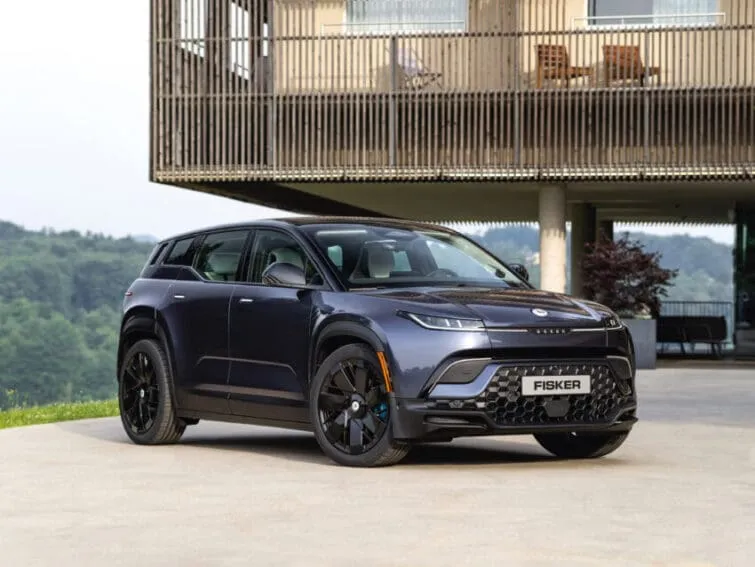
Fisker Ocean
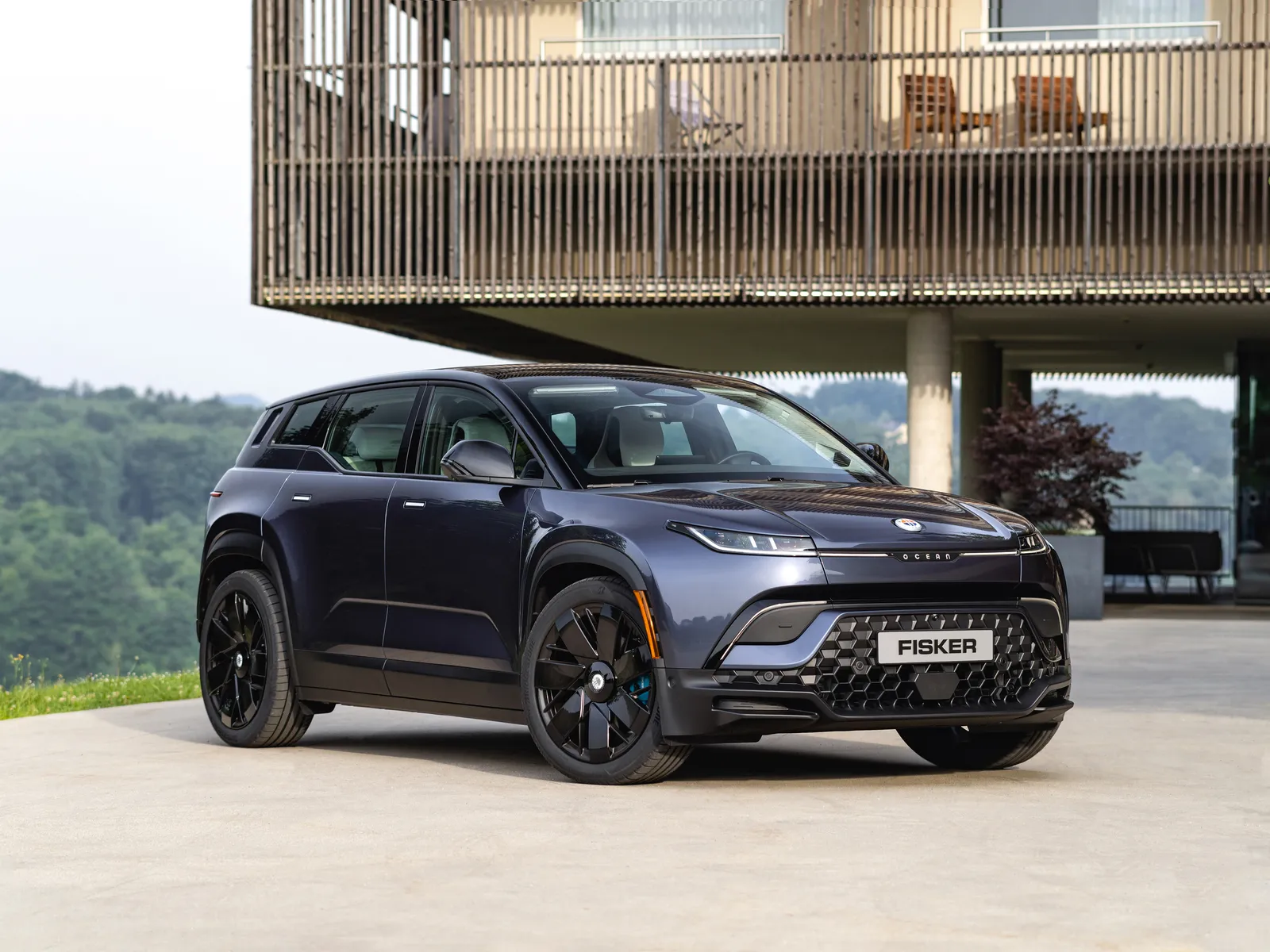
The Fisker Ocean promised so much. And so nearly delivered. A mid-sized family SUV with neat design, lots of range (up to 440 miles, allegedly), lots of power (564bhp) and a sensible asking price, it looked like a winner. But it was beset by problems – from dodgy door handles to a massively flawed central computing system that just never worked. On the back of financial problems, Fisker sank beneath the waves, leaving owners high and dry with no aftersales, repairs or warranty support. Some bold techies have home-brewed fixes for the failed infotainment units, but you’d have to be far braver than us to risk £16k on one.
Citroen E-C4
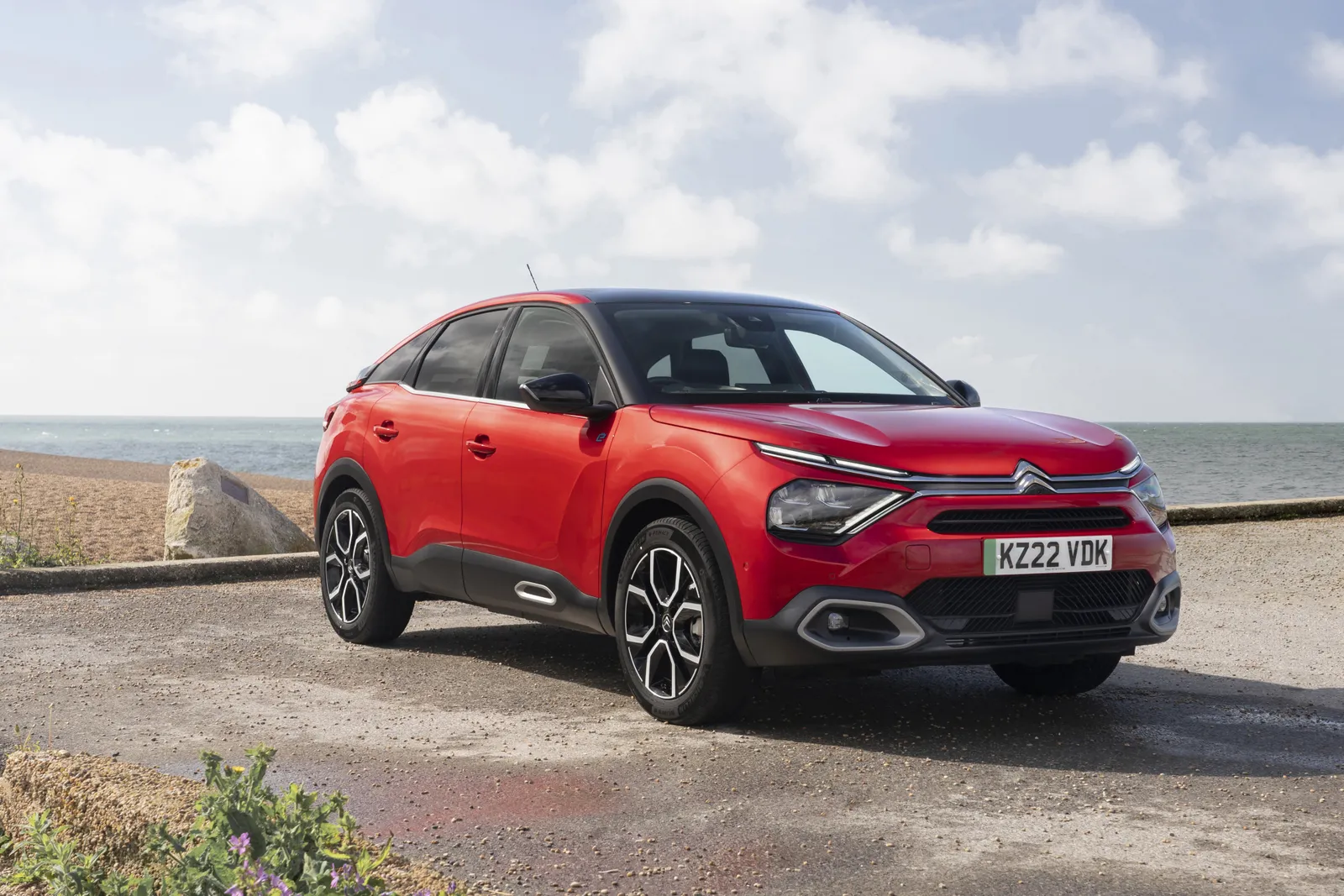
The Citroen E-C4 is a fairly pleasant if unexciting family hatchback and if you buy a new one now, you should be perfectly happy with it. However, early models were a different story. They were cursed with Stellantis’s original 50kWh battery and 136bhp motor. The battery official returned 218 miles but in the real-world it displayed appalling efficiency that slashed that significantly. It also suffered from a wildly inaccurate range estimation that left owners with range anxiety. If you can find a later 54kWh version, they offer a somewhat better range and accuracy, but early examples are best avoided, especially when you consider what else your £10,000 could get you.
Skywell BE11
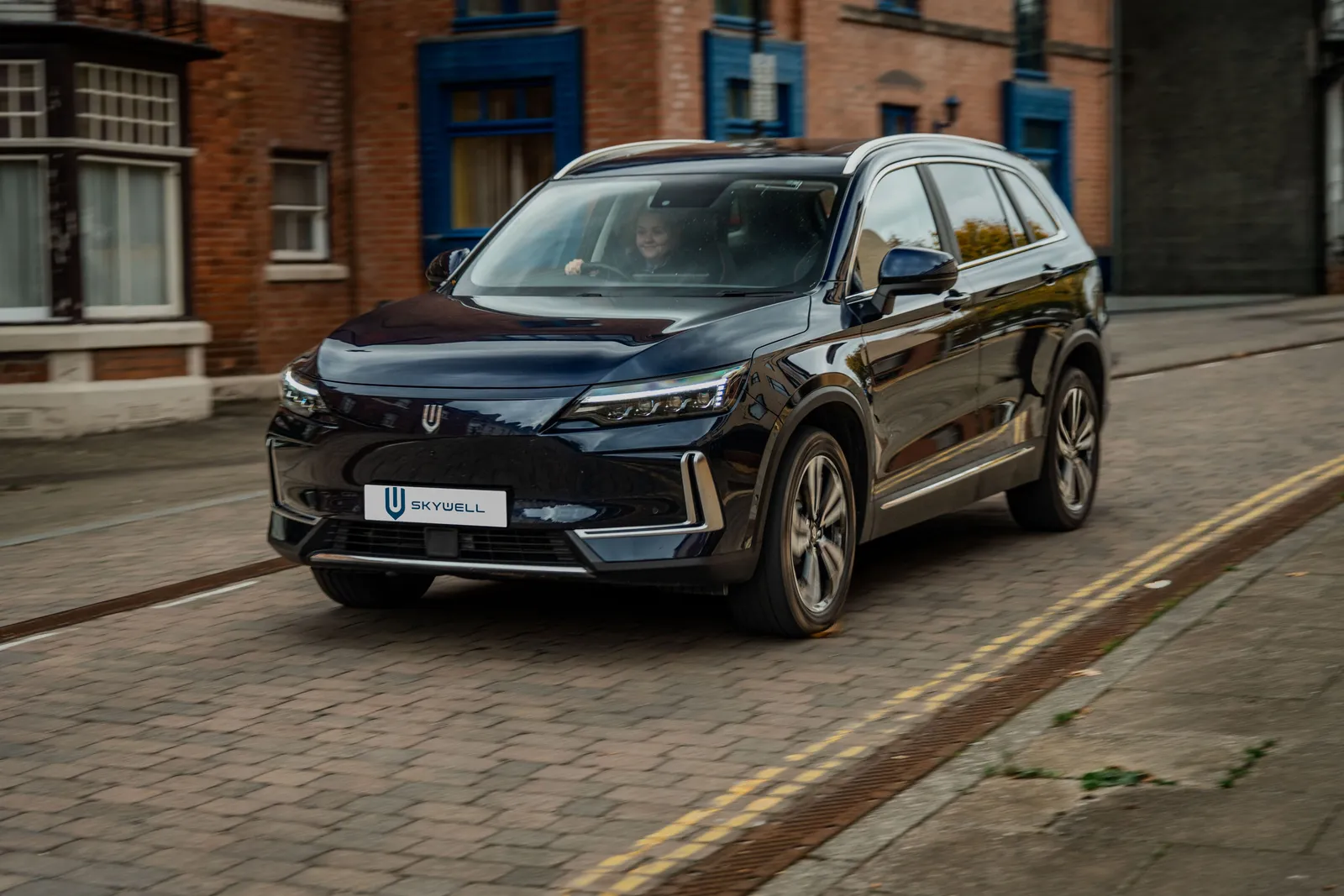
It might be hard to find a used BE11 – fewer than 100 were ever registered in this country. But should you find one, there are two big reasons to steer well clear. The first is that it’s a truly dreadful car. Don’t be fooled by the “big car, small price” appeal. Everything from the cheap and nasty materials and hopeless charging speed to the appalling infotainment system and downright dangerous driving experience is a red flag. It’s a car so bad its own distributors gave up on it, which is the second reason you should avoid it. With no official UK presence, decent aftermarket support is going to be hard, if not impossible to find.
Toyota bZ4X
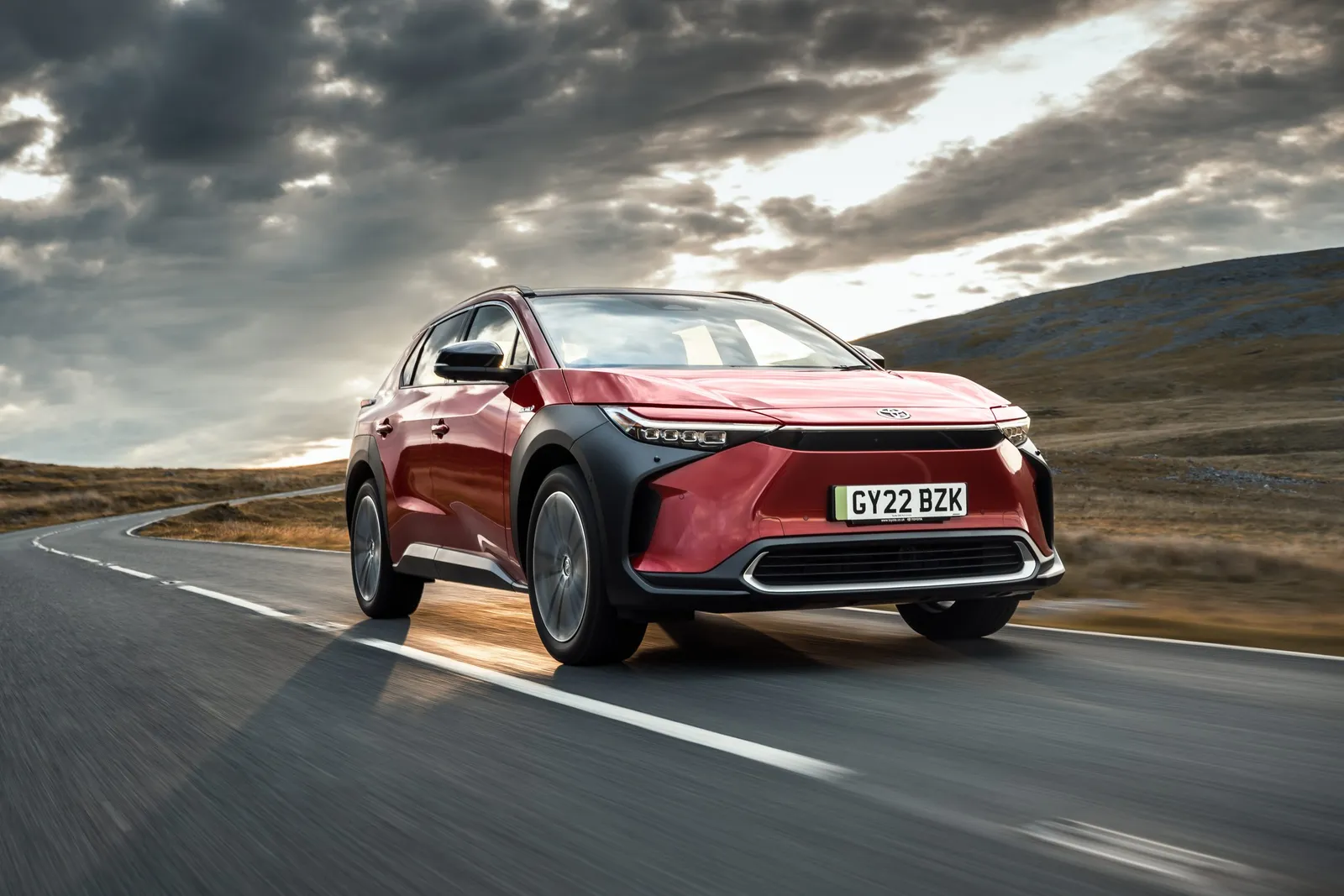
It has to be made clear that the current 2025-onwards bZ4X is a very different beast and a car that we at EV Powered would actually recommend. But, the early car is not. Even Toyota openly admits it got it wrong and had to learn a lot of hard lessons with its first bespoke EV. And when a car maker admits to messing up, you know they really got it wrong. The bZ’s biggest problem was its powertrain, which was nowhere near as efficient as Toyota claimed, or as rival cars were. The fact that the trip computer also seemed to pluck figures from the air and the climate control destroyed the range didn’t help build owners’ confidence.
GWM Ora Funky Cat
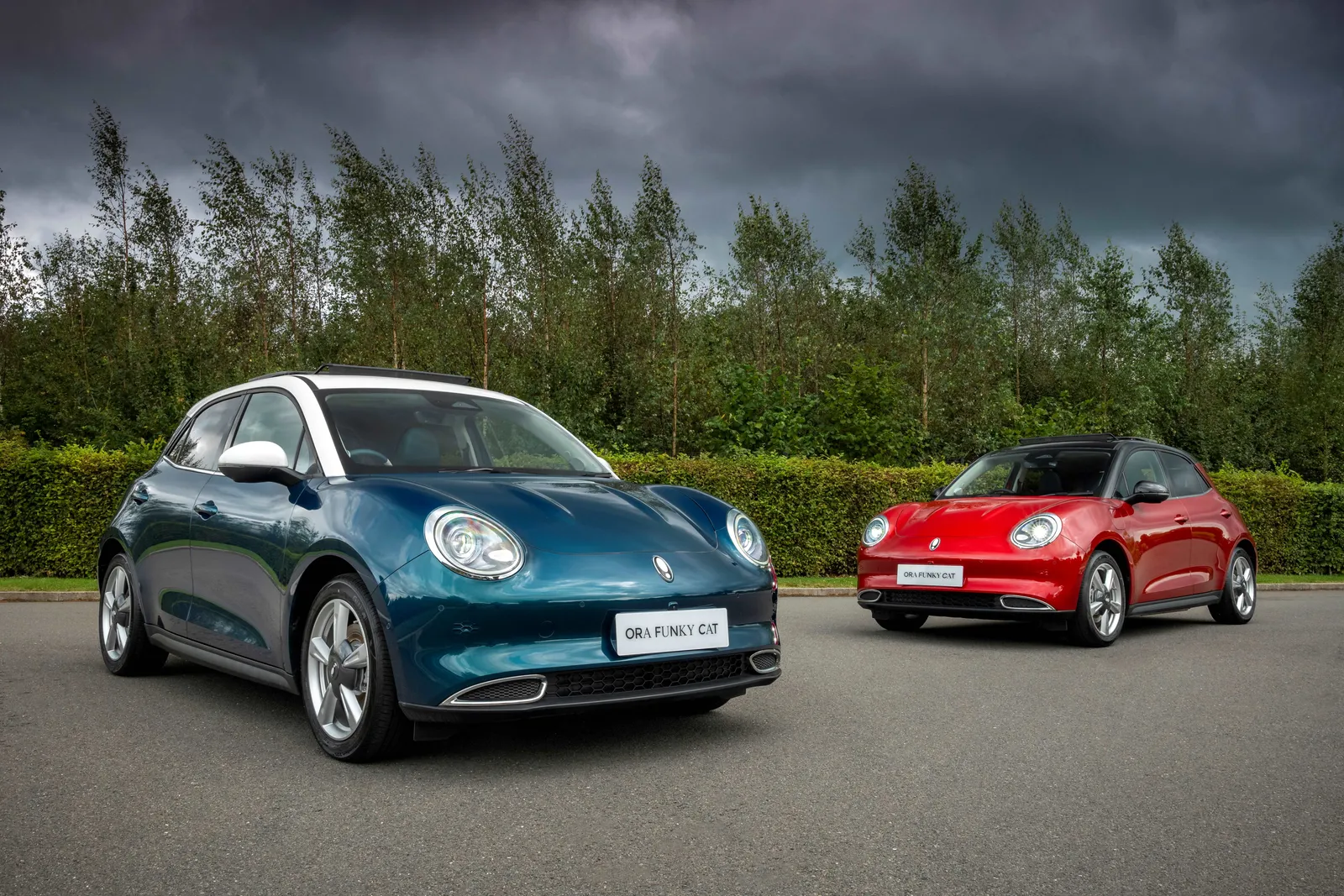
The silly name is almost reason enough to put the Ora Funky Cat on our list of used EVs to avoid, but even a mid-life name change to the Ora 03 can’t save this. Launched in 2023 as a rival to the VW ID.3 and MG4, the Funky Cat hasn’t made much of an impact and it’s easy to see why. Used examples are actually reasonably priced and it’s fairly spacious, but the attempt at funky retro design falls wide of the mark. More problematic are the poor driving experience, disappointing real-world range, tiny boot, sub-standard user interface and violently unpredictable driver “assistance” systems.
Mazda MX-30
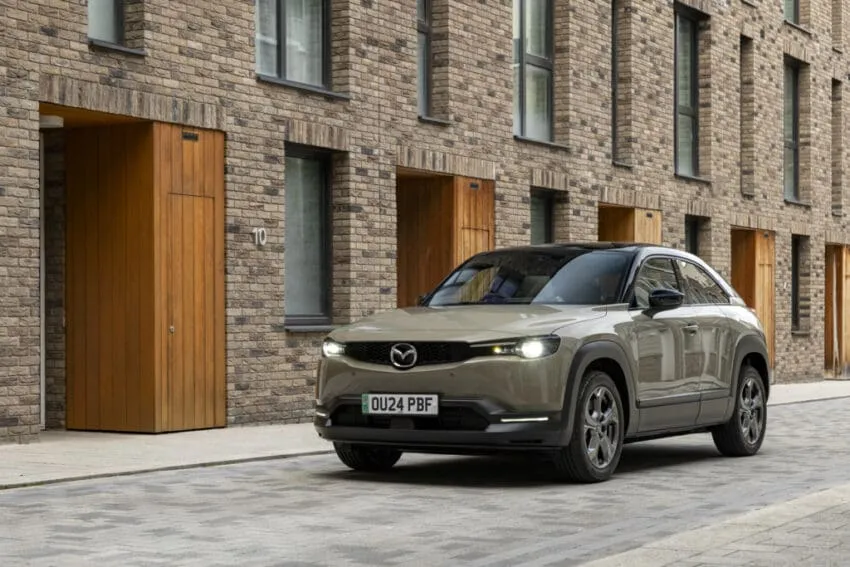
Mazda just can’t seem to get the hang of electric cars. Recently it’s turned to China’s Changan to build its latest models, but that’s perhaps understandable after the reception its first EV received. There are some things to like about the Mazda MX-30. It looks good from the outside and features some quirky interior touches such as the cork trim. The RX-8-inspired rear-hinged doors look neat too. But they’re a nightmare to use, and the rear seats are gloomy and cramped for a “family” car. Beyond that, the infotainment system is outdated, and the driving experience lacks any of Mazda’s trademark dynamism. The 124-mile WLTP range and 50kW DC charging are the disappointing icing on the mediocre cake.
Tesla Model X
There are elements of the Tesla Model X that make it a potentially appealing used buy. It’s a spacious seven-seater with plenty of power (up to 1,000bhp) and an impressive range, especially for a car that’s been around for a decade. However, its size makes it a pig to use on UK roads and while the ‘falcon’ doors look like a clever way to manage tight spaces, they also look like a warranty claim waiting to happen in UK weather. There are also questions over the Model X’s reliability – a concern when buying used – and the interior features some truly appalling material quality. Add to that the image problem thanks to Elon Musk’s “controversial” political views, and it’s not a car we could recommend.
Smart ForFour EQ
At EV Powered, we’re really excited for the arrival of the Smart #2 later this year and there is some argument to be made in favour of its ForTwo successor as a quirky used city runaround. However, the ForFour is a tougher sell. It’s based on a 14-year-old petrol Renault with a tiny electric motor and battery shoehorned into the old Mk3 Twingo platform. Power for this oddly styled and faintly impractical four-seat hatch is a meagre 81bhp but the real issue is the 17.6kWh battery which delivers just 80 miles of range. For similar money, you can bag yourself a Nissan Leaf with twice the range and a heap more room.
Citroen Ami
The Citroen Ami sort of makes sense on paper as a quirky, super compact, super-simple city runaround that, when new, costs less than any other EV. Its appeal is even more obvious in parts of Europe, where because it’s a quadricycle rather than a “proper” car you can drive one from the age of 14. However, in the UK, you need a full licence to drive one, and its top speed of 28mph and range of 48 miles means it’s severely limited in everyday use. When you can get a 160-mile Nissan Leaf or Renault Zoe with five seats and creature comforts such as air conditioning for the same price, the Ami is tough to recommend.
Reva Gwiz
According to the UK owner’s club, the Bangalore-built Reva Gwiz is a “small city car with seating for two adults and two children” with a range of 48-75 miles and a top speed of 50mph. We’re not sure how you’d squeeze four people into this tiny peculiar plastic quadricycle, but if you’ve ever seen the terrifying crash-test footage, you wouldn’t let any member of your family near it, nor dare to approach anything like 50mph. Back in 2007 a new one would have set you back a staggering £8,000, now there’s currently one on sale in the UK for £1,850. For which you can buy a nice electric bike, or a bus pass…