
Jedna z największych kopalni cynku na świecie posiada największą elektrownię słoneczną na Alasce
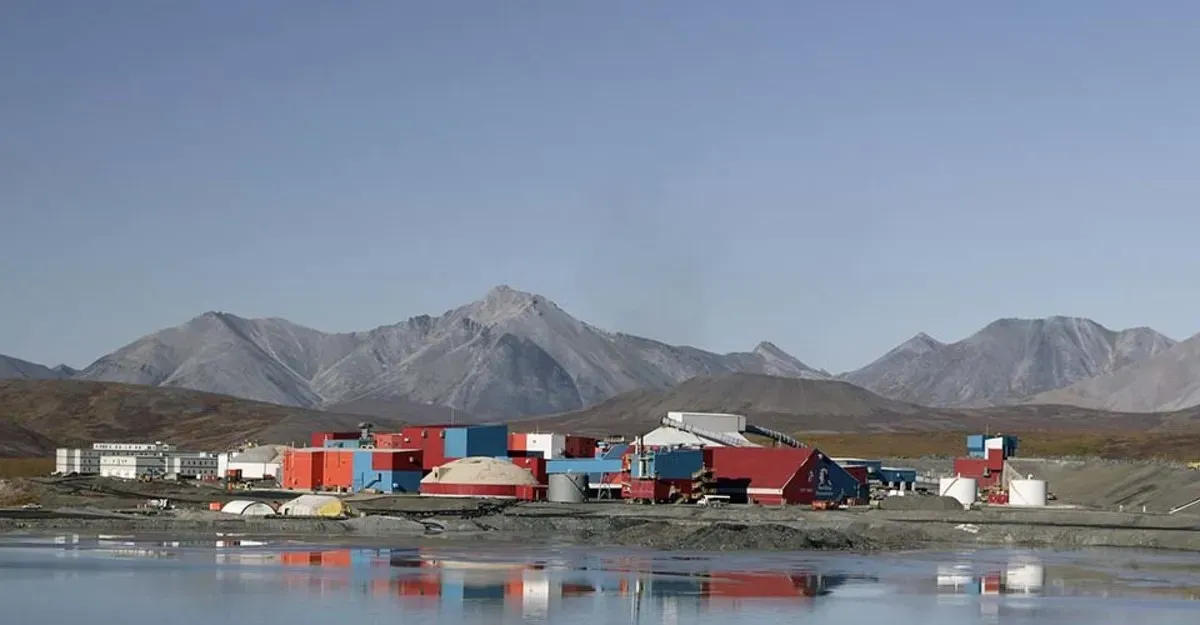
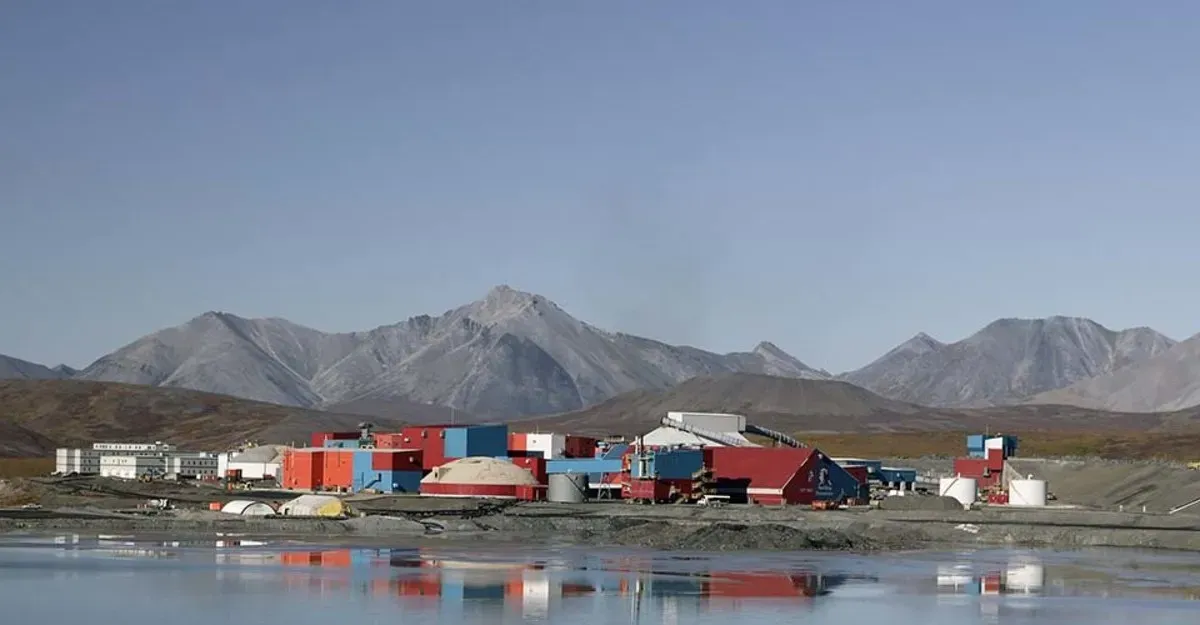
Red Dog Mine in Alaska burns about 40,000 gallons of diesel a day to keep one of the world’s largest zinc mines running, and now, an 8.8-megawatt (MW) solar farm and battery storage will help cut that fuel use.
The Alaska Energy Authority’s board unanimously approved a nearly $5 million loan for the project through its Power Project Fund. Tugliq Red Dog1 will build, own, and operate the roughly $35 million solar project and sell the electricity to mine operator Teck Alaska. The state’s loan review says site work began in June and expects the solar and storage to come online in October 2028.
Red Dog sits about 105 miles north of the Arctic Circle, on land owned by NANA, an Iñupiat-owned Alaska Native corporation. The array would be larger than any solar farm operating in Alaska today, as KOTZ’s Desiree Hagen reported for Alaska Public Media. Hagen reported that the plans call for more than 15,000 panels across around 30 acres.
What will happen when the mine closes
The mine gets all its power from on-site diesel generators. In summer, it can draw so much electricity that Teck has to cut power elsewhere at the site. The solar array and the 8.8 MW, 15 megawatt-hour (MWh) battery will give the operator another source of power during those crunches.
The state of Alaska expects the solar and storage project to cover about 5% of the zinc mine’s electricity needs under its current operating plan. The project could do even more after mining ends, covering about 90% of the site’s annual electricity needs.
Teck expects the mine’s existing deposits to support operations through 2031, and it’s studying whether to develop two nearby deposits. If that expansion goes ahead, the state projects the solar and battery project would cover about 3% of the larger operation’s electricity needs. If mining ends, demand will drop sharply, but the site will still need electricity for cleanup and long-term water treatment.