
George Clarke: ‘We’ll look back at petrol cars and wonder what the hell we were doing’
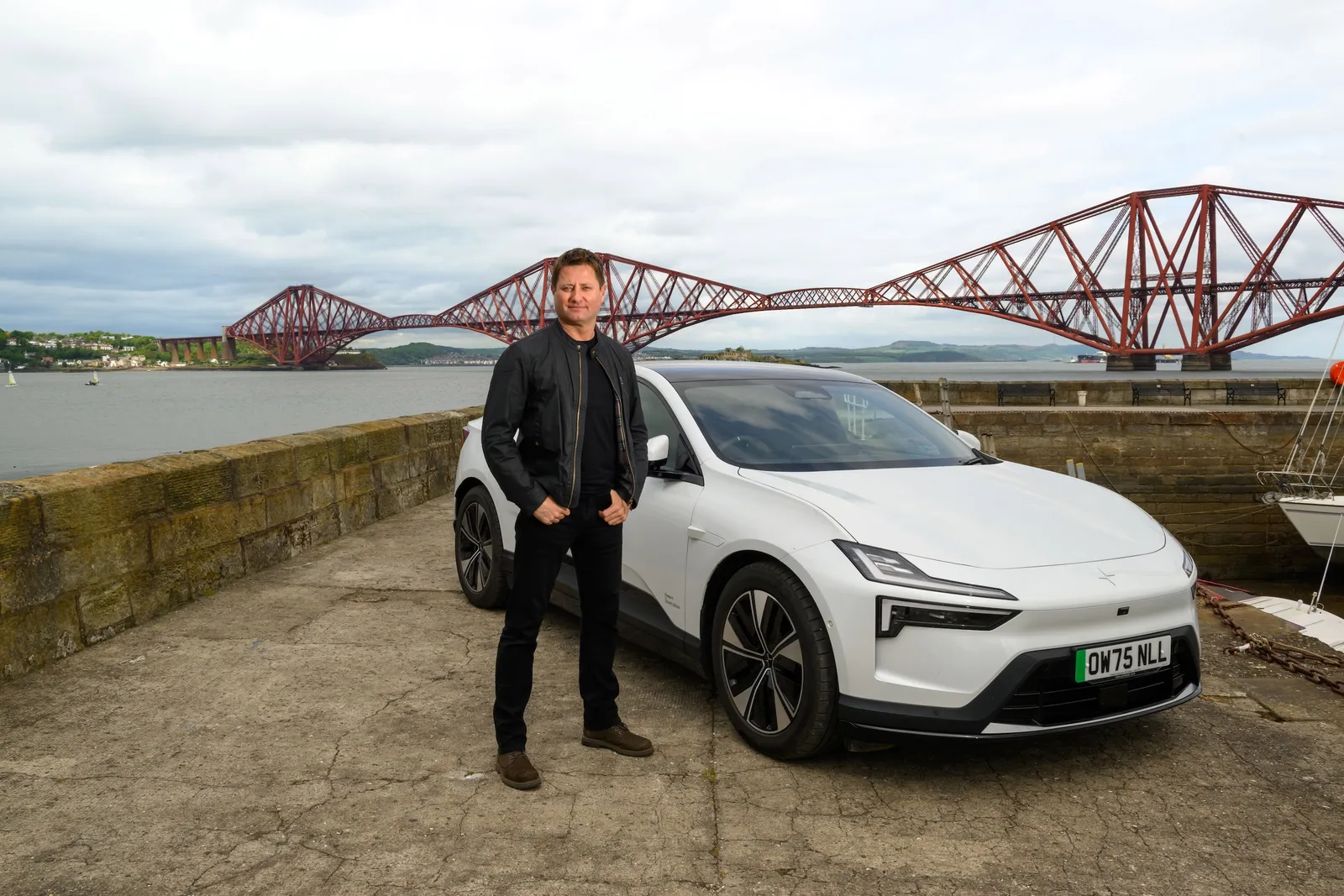
TV’s favourite architect and Polestar brand ambassador talks to EV Powered about his false start with EVs, the long-standing love affair between architects and Swedish cars, and why he’ll never buy a Tesla.
If you find yourself reading this, then you’re probably not averse to a bit of ‘lifestyle’ telly of an evening, or a Sunday supplement at the weekends.
So you’ll be familiar with today’s interview subject: George Clarke – architect, TV presenter, campaigner and, as we’re about to find out, a fan of EVs, especially those from Sweden.
Speaking from his home, Clarke looks very much the part. Wearing a black T-shirt, he’s talking to EV Powered from what appears to be a very airy, open-plan kitchen. Cascades of natural light tumble in, creating the impression that his setup could be any of the achingly cool Nordic capitals, and not, in fact, West London.
With a broad, cheerful Sunderland accent, he immediately dispatches my first question with a hefty dose of North East self-deprecation.
“You can’t be an architect if you don’t wear a black T-shirt every day, right?” he laughs. “And it makes you look slimmer – that’s the main reason I do it, it’s pure, pure vanity.”
But if his fashion choices are driven by present-day considerations, Clarke’s automotive tastes are more deeply rooted and can be traced back to childhood.
The appeal of Scandi-cool
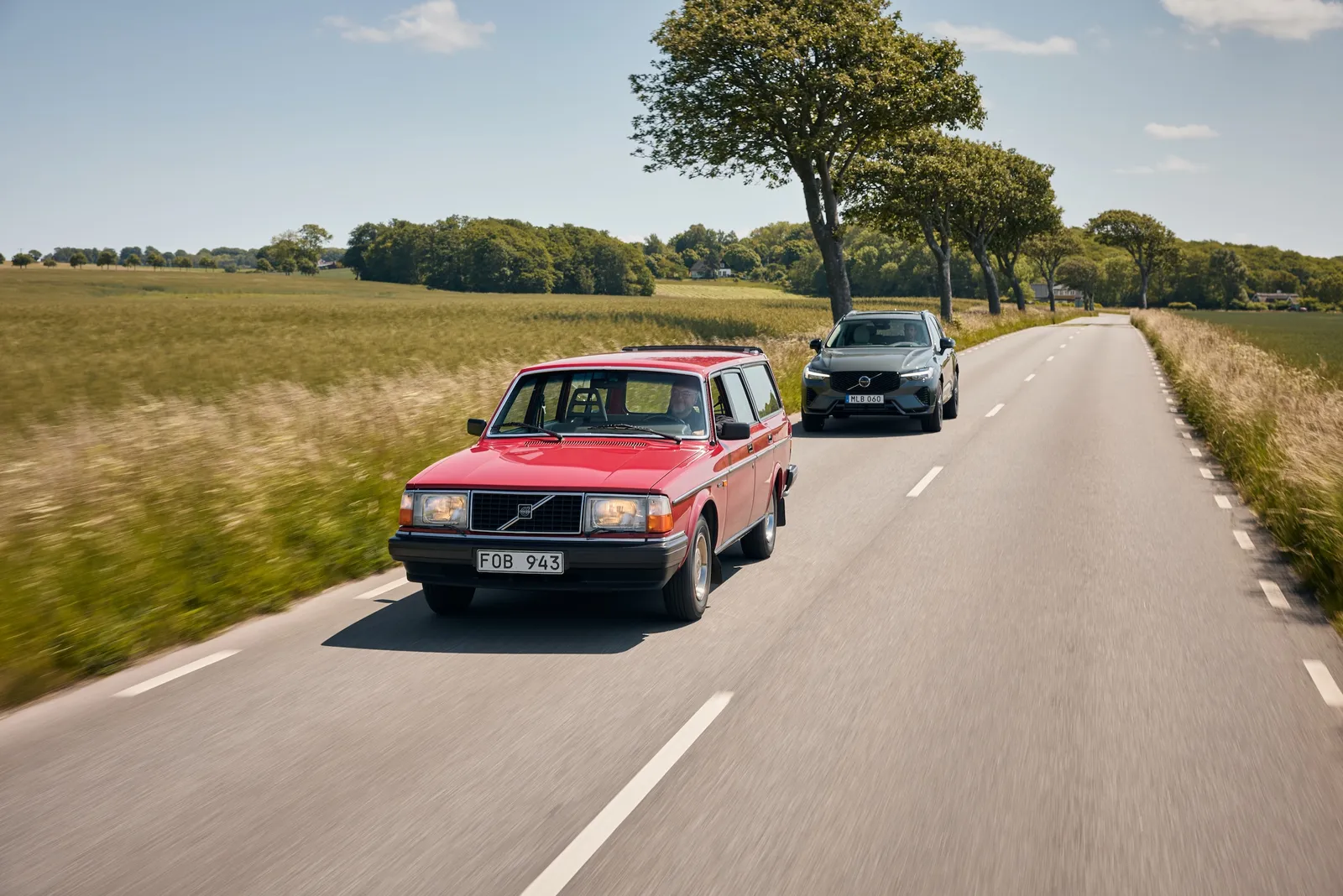
“Why do I love Swedish cars? Well, there are two reasons,” he explains. “Firstly, when I was growing up, my dad had a Volvo 240 Estate – it was kind of boxy, quite blocky, and had a quirky coolness to it, and I mean that in a really positive way.”
It was the Gothenburg car’s unapologetic sense of national identity via design that struck a chord that remains with Clarke to this day.
“At that time there were other cars like the Ford Capri that thought they were uber cool,” he recounts. “Meanwhile, the Volvo would park alongside and almost give them two fingers. It was like: “We’re Swedish, we’re a bit quirky, we’re a bit eccentric, and we’re passionate about good design – what are you going to do about it?”
Fast forward a few years, and while reading Architectural Studies at the University of Newcastle, Clarke developed a lifelong appreciation for Scandinavian design, which then led to a lifelong love of Swedish cars.
We’ve all heard the cliché about architects and Swedish cars, but if there’s anyone to explain the age-old trope that places the creative behind the wheel of a Saab, a Volvo – or a Polestar – then it’s Clarke.
“I think as architects, we all love Scandinavian design in general,” he muses. “A favourite architect of mine is the Finnish architect Alvar Aalto, and he really pioneered the use of human-centric modernism by using plenty of natural light and natural materials in his work – everything he did was quite light and quite minimal, but elegantly designed.
“I think with any piece of design, you need to have an emotional connection pretty quickly for it, and that’s what Scandinavian design – and by default car makers – manage to do so well.”
A passion for innovation
Almost certainly, a cynic would scoff here and suggest that he’s paying lip service to Polestar because he’s a brand ambassador for the Swedish performance marque.
And while yes, this particular deal has put him behind the wheel of Polestar 4, it’s a general love for innovation that positions Clarke firmly in the EV camp. It’s not always been this way, though.
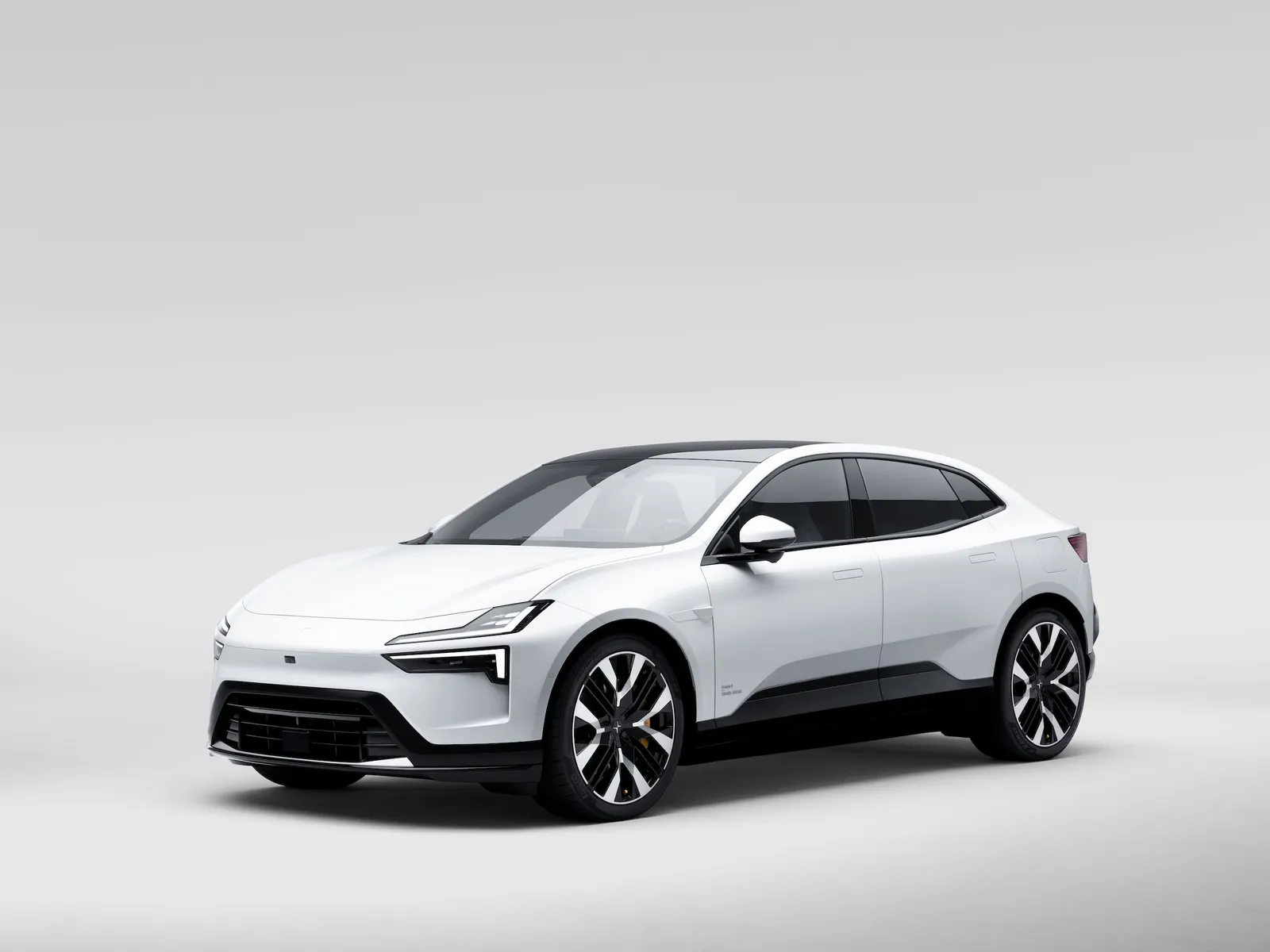
“Before I got the Polestar 4, I’d had EVs in the past,” he explains. “But while they were lovely pieces of design and great to drive, the range was terrible. That was a real stress in my job, which involves doing a lot of miles, so I didn’t have one for five or six years.
“But with this, that gap of what I expected then and what we have now has completely disappeared. Instead of using all these apps and accounts on my phone to charge the car, I just plug in, tap, and that’s it.
“All of the technology around charging, payments, and bigger batteries has changed massively in such a short space of time. You’re no longer hanging around these slow public chargers, which used to make EV ownership a bit of a chore, unfortunately. Now, though, I’m so glad I’ve made the switch properly at last.”
While emissions reduction is another motivation behind Clarke’s move to electric motoring, he refuses to be evangelical about the issue. “After all, I don’t think any of us are perfect, and I’m sure that even some of the most amazing eco warriors could probably look in their cupboard and find something that’s not as sustainable as they thought it was.
“I know there’s a debate about batteries, but crikey, we can have an even longer debate about oil if you want,” he sighs with exasperation. “In a very few years time, I am sure people are going to look back and say ‘why the hell were we burning petrol to power cars?’
“It’s like now we look back and say ‘why did we put asbestos in buildings’? “I think the electrification of the world is happening, and EVs are part of that movement.”
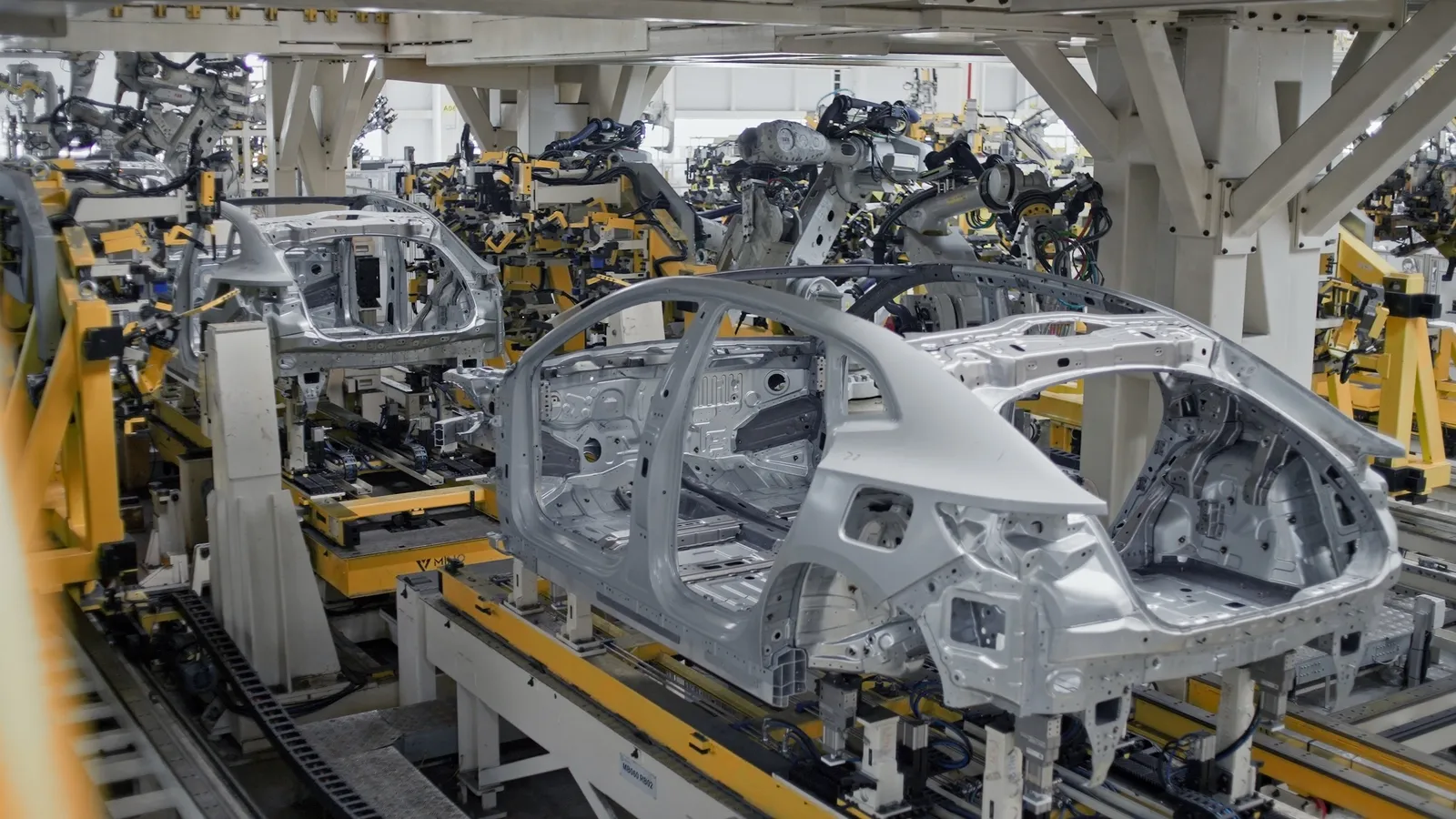
And Clarke believes that electrification will be built on a symbiosis of design and technology.
“The more innovation in design happens, the more innovation will happen in technology,” he continues. “Hopefully, we’ll then realise we need to live in an electrified world because we can generate electricity by renewable clean, green ways – that’s the way we’re going with our homes, and that’s the way we’re going with our cars.”
The emotional connection of good design
When it comes to Polestar’s net zero goals, the Swedish firm’s roadmap is simple: Halve per-vehicle-sold greenhouse gas emissions by 2030; build a climate-neutral car by 2035, and achieve climate neutrality five years later.
Without question, Polestar’s ‘0 Project’ appeals to Clarke’s moral compass. Yet it’s Gothenburg’s emphasis on uncluttered, quality design that holds the most sway. After all, the car you drive is “your home away from home”.
Indeed, it was a road trip across New Zealand that cemented the 52-year-old’s relationship with Volvo’s sister brand.
“I was filming a show in New Zealand and the production team asked me what I wanted to drive on this architectural road trip throughout the country, and I said ‘well, what about a Polestar?’” he recalls.
“I’d been aware of Polestar for a few years, and they really stood out for me in design terms. The sustainability credentials are really interesting, too, so they organised me a Polestar 4 from a dealership in Auckland.
“When I picked it up, it was brand spanking new, super clean and all ready for me to go. I thought, ‘that’s a smart looking car’ and then I got inside and it was a proper ‘wow’ moment for me. It was a white car already, so quite light and minimal anyway – but you’ve got this huge expanse of glass over your head, and it didn’t take me long to develop an emotional attachment with it.
“For me, it’s great to have that connection, because your car is like a home on wheels. You spend a lot of time with your car, and it’s a piece of architecture that’s enveloping you.
“I think being in your car is just like being at home or at your desk, because you’ve got a tangible connection with it – you’re touching the steering wheel, you’re sitting in that chair; you’re touching screens and you’re adjusting things. I think that connection between a human and a piece of design is a really powerful thing.”
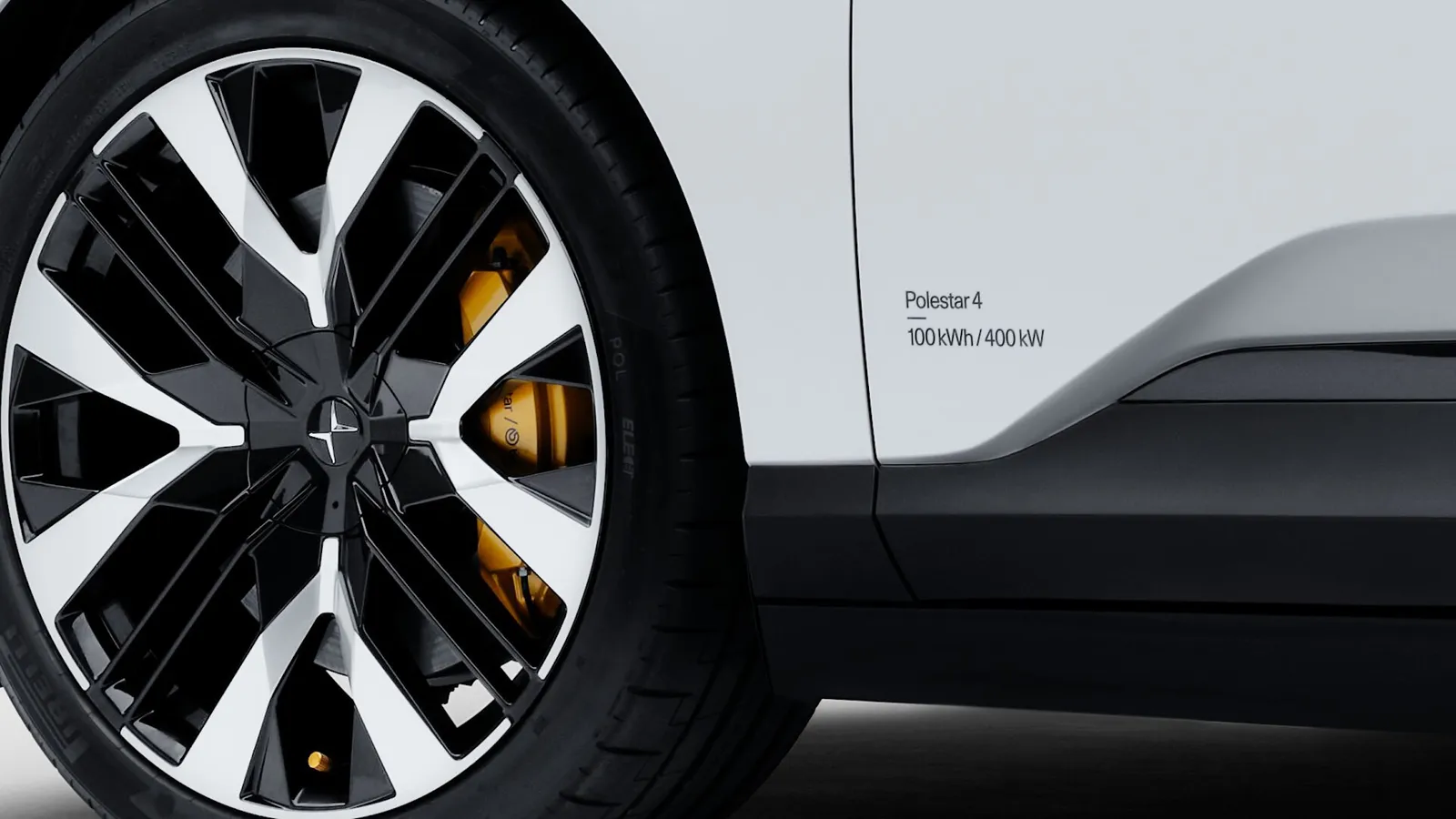
If a car is like an extension of your home, it can also be an expression of your character. Which brings us to a serious moral struggle for Clarke.
“I’ll be honest with you, I used to be an enormous fan of Elon Musk,” he admits. “I’ll say that on record too, because I thought what a phenomenal, innovative, disruptive person. I remember listening to audiobooks about him – you can’t look at SpaceX and say that’s a bad company, can you? I mean, they’re working with NASA!”
Yet with Musk’s slide into far-right politics, Clarke – like so many others – has revised his opinions on the controversial figurehead and been turned off Tesla for life.
“I’ve completely gone off the guy, and even if I weren’t involved with Polestar, I just couldn’t buy one because of his political views,” he explains. “There’s a whole debate about separating the art from the artist, but I can’t do it.”
Why “we’re doing better than ever” when it comes to a carbon-neutral future
Thankfully, things wind down on a positive note, and Clarke cites EV adoption and the UK’s transition to net zero by 2050 as something the country – and clean tech enthusiasts – can look forward to.
At the time of writing, brand new EVs comprise 30% of the UK’s new car sales, while used models have reached a record 32% market share – giving Clarke further cause for optimism.
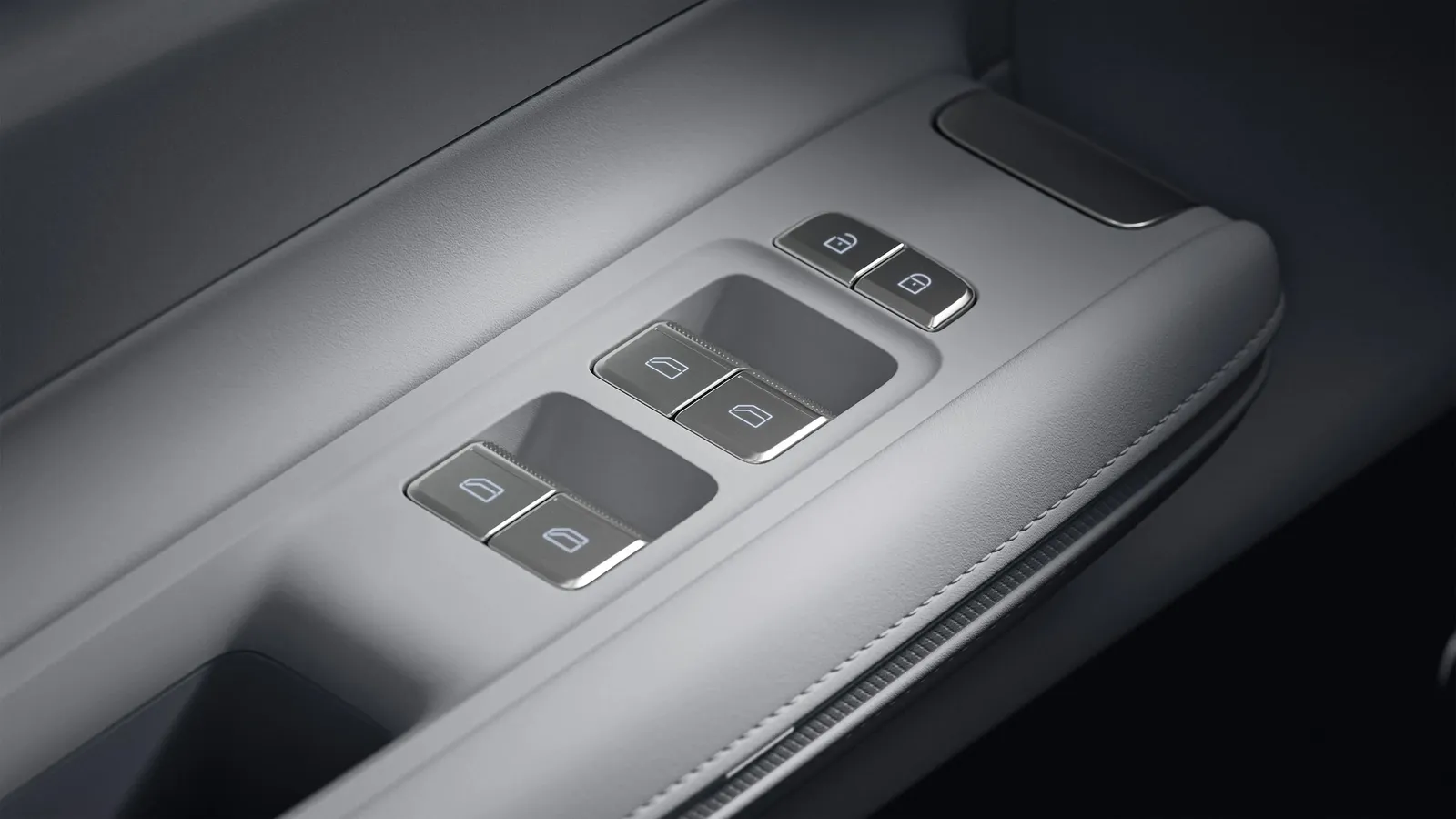
“The second-hand car industry is enormous, so it’s good to have something that’s timeless and classic that you can use for as long as possible before it’s passed on to someone else,” he notes.
“So, hopefully when I get my Polestar 5 (that’s a supersonically beautiful car, if I may say!) someone will take my Polestar 4 and use it for many years.”
“In terms of net zero, I think we’re on the right track. There might not be enough solar and wind energy to power everything that we need at the minute, and we’ve got to tap into other things to be able to do that.
“Overall, though, I think we’re absolutely on the road to a green energy transition, and we’re doing the best we’ve ever done.”