
Tesla’s cheapest Model 3 tested with FSD Supervised on Australian roads
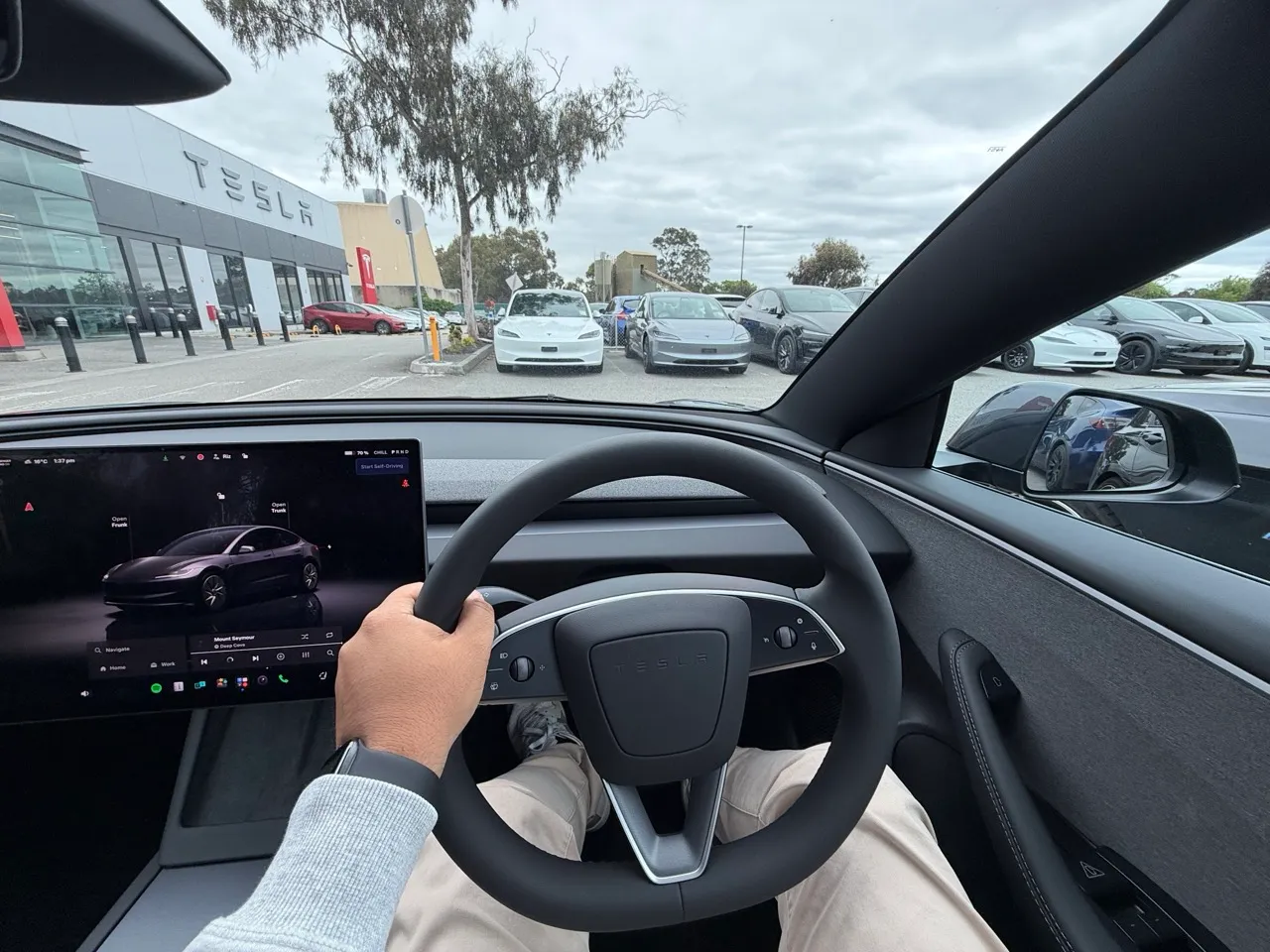
Last month, Tesla added to its 2026 Model 3 sedan range with a sharply priced entry variant, starting at $45,900 plus on-road costs.
Tesla will be hoping the lower price encourages more Australians to test drive a Tesla, and potentially buy one – which at the time of writing is still the only car to offer Full Self-Driving (Supervised) technology in Australia.
To test how far the tech itself has come and if there are any major features missing from this entry-level model, I spent a few days putting the new entry-level Model 3 through local roads and highways.
As many of our regular readers would know, my test route usually involves highway driving on the Peninsula Link between Melbourne and Rye, along twisting mountain climbs around Red Hill.
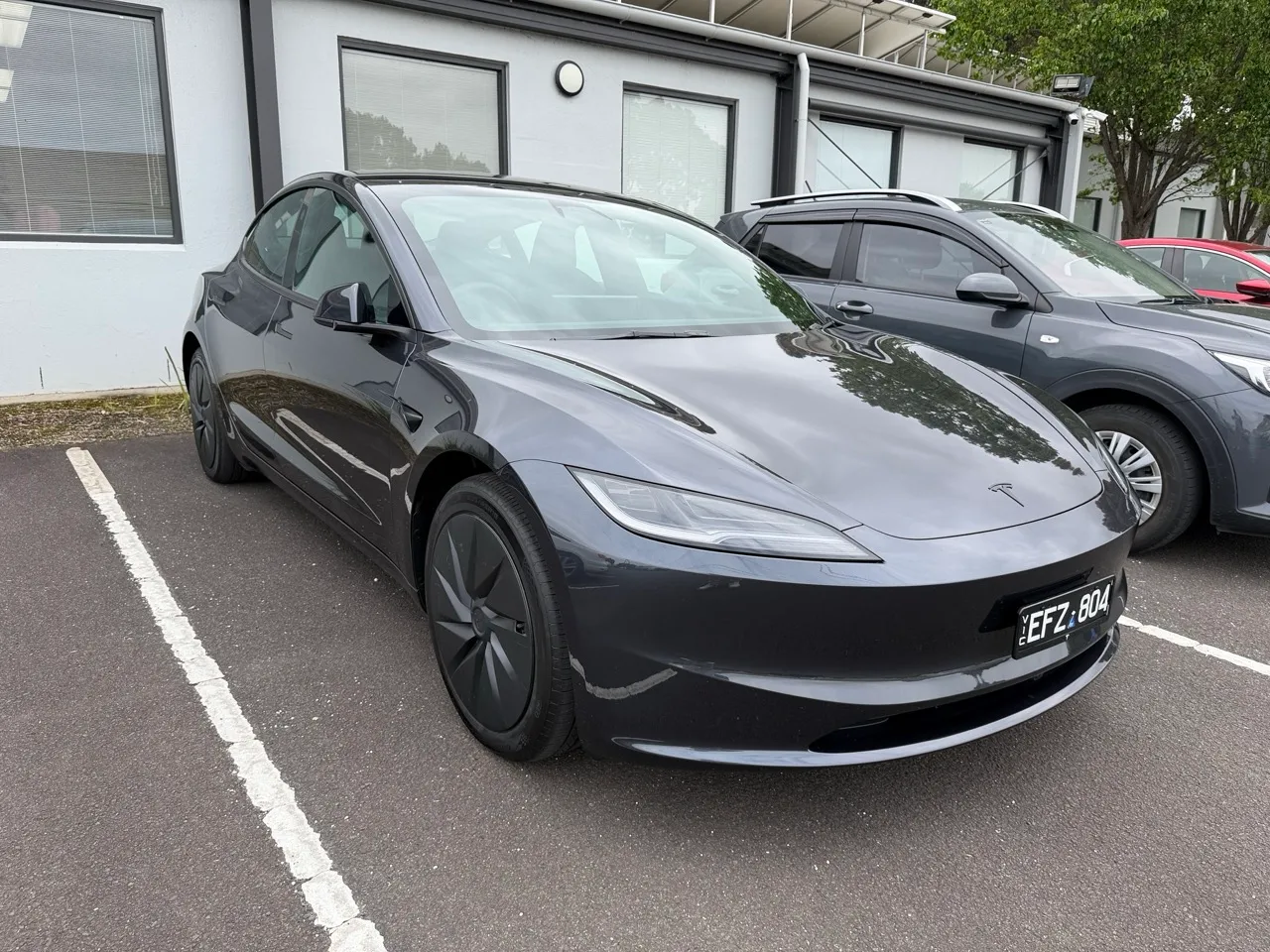
For this test, though, I used FSD supervised, which comes at $149/month, to see how much progress Tesla has made on Australian roads with this tech. Here is how it went.
Driving south on the Peninsula Link toward Rye, the Model 3’s updated suspension and sound insulation are still pretty good, much better than the 2021 Tesla Model 3 RWD with double-glazed front windows that I often drive.
While there is still on-road noise from rougher patches of the highway, even at 100 km/h, it’s well isolated, and unlike some other cars at this price point, I didn’t have to crank up the volume on my podcast to hear through.
Turning on FSD Supervised on the highway is easy with one button on the steering wheel, but usually I’d just enter the end destination before taking off.
Compared to earlier builds tested 12 months ago, the system is much smoother and more assertive with lane changes. It even merges into faster traffic lanes and does it so well without awkward hesitation, like some early versions of the Autopilot did.
One issue I had with previous versions was speed changes, and given how many potholes there are on highways across Victoria at the moment, the speed changes on the Peninsula Link on digital signs do change.
The car picks that up and speeds up or slows down pretty well, even when it’s surrounded by trucks without sudden, unexpected braking.
Another area where the system feels more like a good driver is with the driver monitoring. It’s fairly tame in its notifications, using camera-based eye tracking that is by far the most advanced system in any car on our road.
Coming out of an MG S6 and Geely EX5 previously, it’s so good to not be constantly nagged with “you’re not paying attention”. And that’s with just basic driving in those cars, not even any self-driving tech engaged.
Next on the testing route is going up and down the twisty mountain sections around Red Hill, which shows how well the car performs dynamically on the road.
With the low-to-the-ground weight under the floor from its 60 kWh battery pack, body roll is well controlled through sweeping bends through Main Ridge.
I prefer using standard FSD mode around hills, which is a fairly good trade-off with acceleration and regen on these higher-speed sections.
With FSD Supervised, driving on regional Victorian roads showed quite an update over last year’s early versions. The vision-based neural network that FSD Supervised tech uses can now handle unlined country roads, faded lane markings, and tighter bends with real confidence.
One area which still needs improvement is pothole detection and avoidance. It’s something that Victorian roads are currently filled with, everywhere, and I did have to intervene to avoid a fairly large pothole on Arthurs Seat Road.
Tesla has previously mentioned that future versions would work to have a better avoidance system, so that’s a bit reassuring if the system is heading to more mainstream drivers.
While using FSD Supervised, a driver's hand must stay on the wheel to take control, especially on tighter blind corners or some regional intersections.
I experienced very little driving fatigue on these longer trips, which I think is one of the biggest benefits drivers can enjoy from the current system
Looking a bit into how efficient the single-motor rear-wheel-drive powertrain is, the base 2026 Model 3 has the same great energy management on the road.
During our mixed road testing, consumption averaged roughly 13.2 kWh/100 km. To put this into perspective, we didn’t get that in cars much smaller than the Model 3, like the Geely EX2, Honda Super-One or even the BYD Atto 1.
This efficiency means a real-world range figure of around 460 km. Combine that with some of the cheapest DC fast charging in the country with Tesla’s Supercharger network, which in “off-peak” times are well under 35 c/kWh, it’s such an easy car to recommend.
Turning to the interior, which is exactly the same in terms of the 16-inch screen that manages all drive modes, navigation, and media.
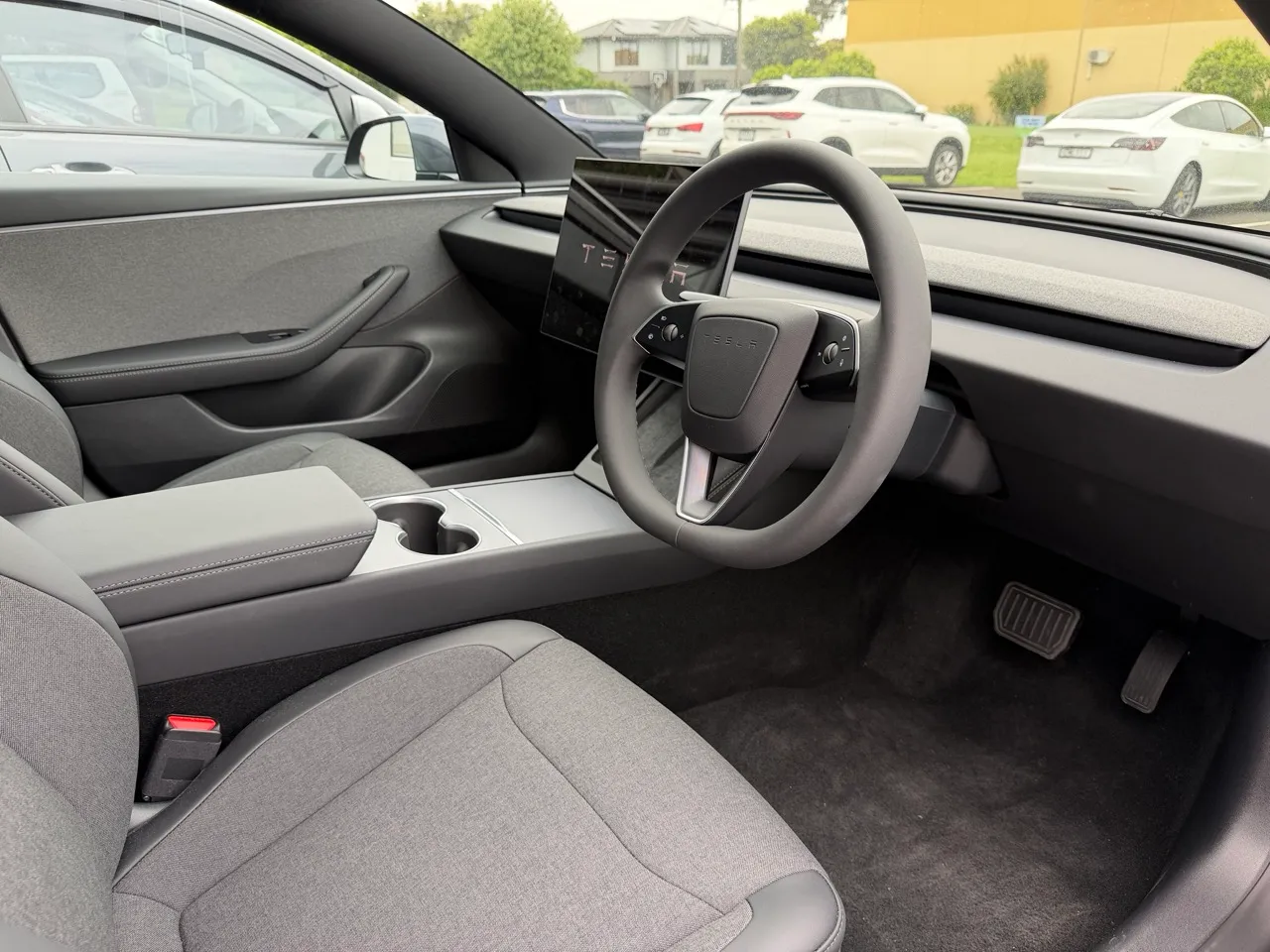
You get cloth seats at the front and back, which I quite liked, and the material does feel comfortable enough.
It’s hard to say if it would be hard-wearing compared to the synthetic leather seats in the Premium models, but given Tesla’s recent material selection from its Shanghai factory, it is expected to outlast at least the warranty period.
Overall, the 2026 Tesla Model 3 delivers a good mix of range, nicer driving dynamics, and market-leading efficiency at a more affordable price for more buyers.
It’s the cheapest Tesla to date and in my experience, you don’t give up much compared with the Premium model. Not the stuff that actually matters anyway.
Above all of that, the huge improvements in the already fairly good FSD Supervised software show just how useful a driving assistant can be on Australian roads.
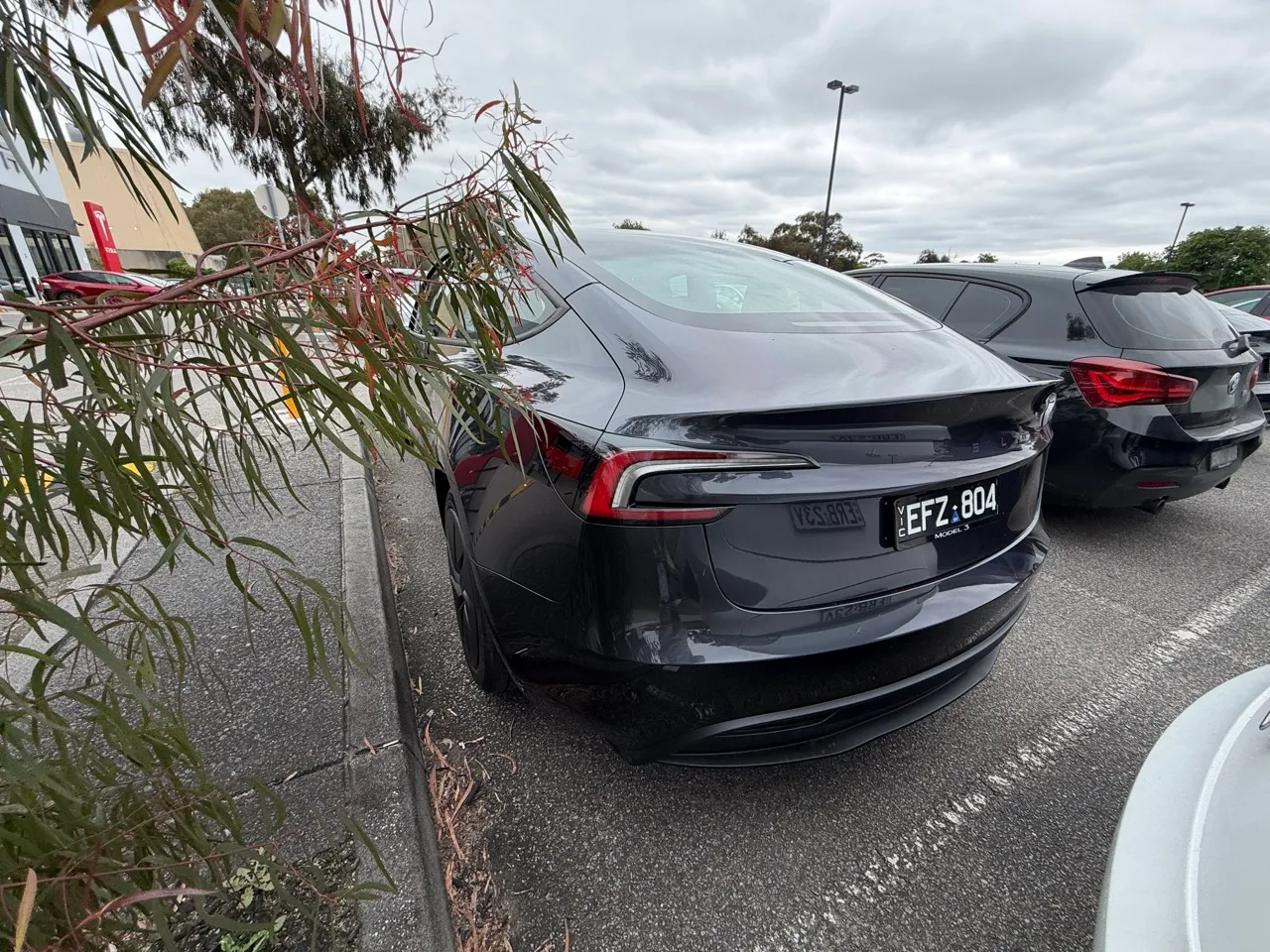
In our testing, there are still some areas that could be improved, such as pothole detection and avoidance, but it appears there is something in the works for that.
For buyers looking for a high-tech EV, even the new base $45,990 (plus on-roads) Tesla Model 3 variant is the benchmark for electric sedans to beat.