
Suppliers see rising demand for range-extender electric vehicles
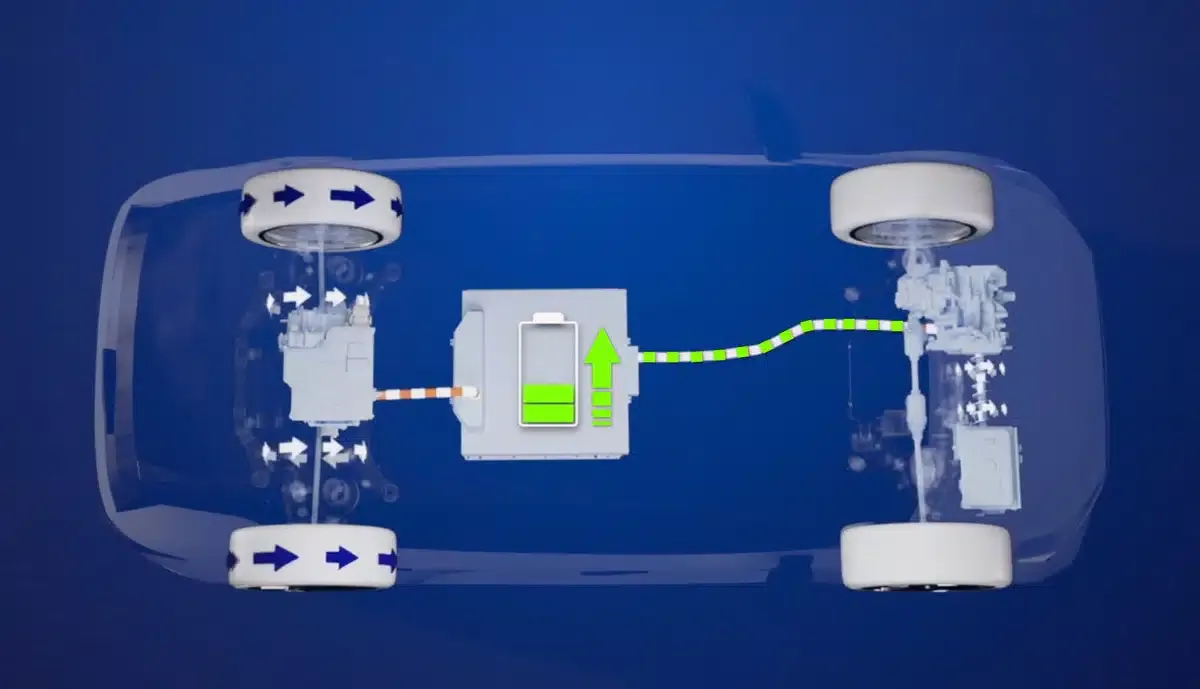
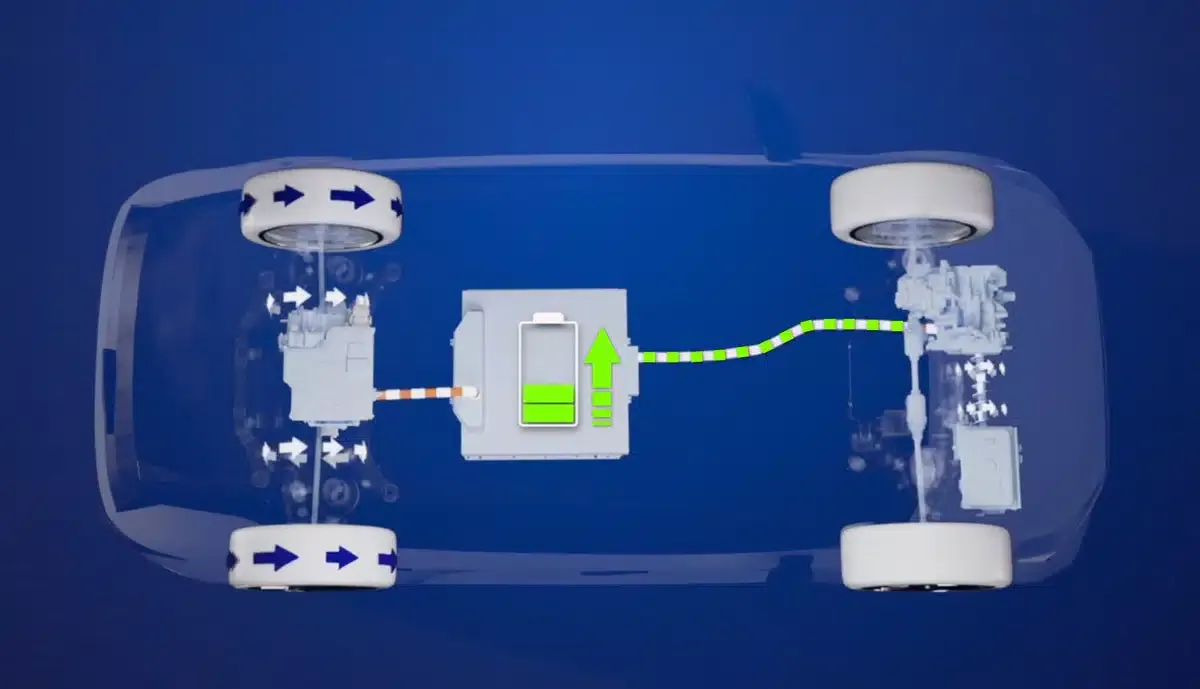
Image: ZF
The importance of so-called range-extender systems is increasing in the automotive industry. According to leading suppliers, this drive technology is becoming increasingly vital as electric mobility progresses at different speeds. Factors such as charging infrastructure, raw material costs, and customer acceptance have influenced the introduction of electric vehicles in global markets.
Technically, electric vehicles with range extenders and plug-in hybrids differ primarily in the function of the internal combustion engine. In EREV models (Extended-Range Electric Vehicle), only an electric motor drives the wheels, while the gasoline engine serves merely as a power generator when needed. In contrast, in plug-in hybrids, both the internal combustion engine and the electric motor can mechanically drive the wheels.
Diba Ilunga, president of Magna Powertrain, told Automotive News Europe that range extenders are gaining importance as electrification progresses at different speeds across various regions, vehicle segments, and usage scenarios. This creates a need for flexible technologies among large suppliers, which are intended to assist automakers through a longer transition period during which purely battery-electric vehicles, hybrids, and range-extender electric vehicles coexist.
Part-time electric vehicles to combat “range anxiety”
The demand for technologies for long-range plug-in hybrids as well as electric vehicles with range-extender technology is rising rapidly according to the report. A key driver behind this is the effort to reduce “range anxiety” with electric vehicles, lower battery costs, and address gaps in charging infrastructure.
Otmar Scharrer, Senior Vice President at ZF Friedrichshafen, told Automotive News that charging infrastructure, energy supply security, customer acceptance, raw material costs, and regulatory frameworks vary significantly across markets. Nevertheless, he emphasized that the future belongs to electric vehicles and that growth in battery-electric cars will continue.
"Range extenders help bridge the gap between today’s customer expectations and a fully electric future by reducing range anxiety, enabling smaller and cheaper battery packs, and decreasing reliance on widespread charging infrastructure," said Scharrer from ZF.
For suppliers, range extender systems offer the opportunity to secure lucrative contracts for existing and new internal combustion engine as well as electric components. They also provide traditional motor and component manufacturers with a future outlook amid the global shift away from conventional combustion engine vehicles.
Also interesting
About the author
Thomas Langenbucher is an expert in electromobility with professional experience in the automotive industry and finance sector. Since 2011, he has been covering electric vehicles, sustainable technologies, and mobility solutions for ecomento.de. Learn more.
Reader interactions