
Zeekr remains in Europe despite tariffs and the 350,000 hybrid units per year limit
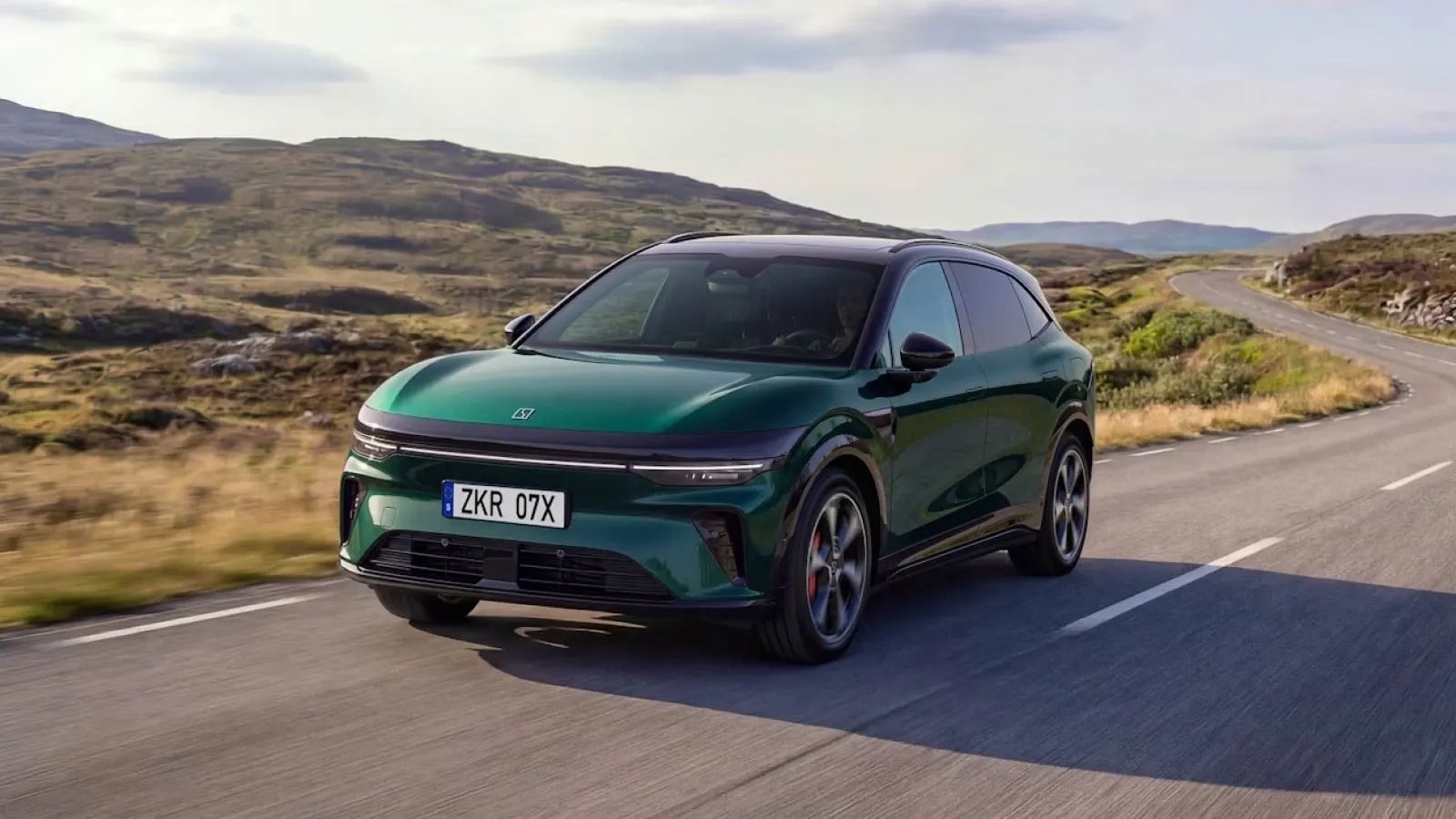
Lothar Schupet, head of Zeekr Europe, assures that the brand has no plans to withdraw from Europe. A few days before his interview with InsideEVs at the Paris show, EU and Chinese officials announced a quota for importing Chinese hybrids and plug-in vehicles: 350,000 units per year. Zeekr already faces high tariffs on electric cars and is currently launching the 900-horsepower luxury PHEV model 9X. The brand’s sales in Europe have grown by 200% year-on-year since the beginning of 2026.
Tariffs on 7X, quota on 9X
The Zeekr 7X, which the brand positions as an alternative to the Tesla Model Y, has just received an mid-life update. According to InsideEVs, it now takes less than 11 minutes to charge (the source does not specify the charge level) and comes equipped with a new ADAS system from Bosch. The 7X is subject to high tariffs, while the 9X falls under the quota for hybrids.
Schupet argues that regulations are more of a sign of success than a problem. He says, “Do these discussions and regulations arise because we are achieving such success, or do we have to deal with them to achieve it? I think it’s the former: everyone is a bit afraid of what’s happening and tries to protect themselves.”
The situation is worse with hybrids, as the regulations have not yet been clarified. Zeekr Europe’s head says, “The discussion about hybrids remains very vague; the regulations are not clear, so I can’t take a stance. But the tariffs on EVs have shown that we can handle this.”
European suppliers and 200 dealers
Zeekra’s argument is that the brand wants to convince not only customers but also policymakers. It employs designers, engineers, and office staff at several European centers, and the entire Geely group has invested billions on the continent. Bosch cites 7X Schupet as an example of a local supply chain alongside Chinese production.
He says, “We already have a huge network of European suppliers. We cooperate everywhere and have invested our infrastructure here. We now have 200 dealers, and there will be more. As a brand, we are therefore an important economic driver that no one should overlook.”
InsideEVs notes that it is unclear whether such arguments will reach European capitals. In the U.S., where Chinese cars are practically banned, they did not make it there. European company executives and politicians are speaking more loudly about the industry’s inability to withstand price competition from China even with tariffs, arguing that tariffs and quotas are meant to buy time for local manufacturers.
Schupet concludes his statement by saying, “We are in Europe long-term, so we want to keep growing. We have invested heavily and will continue to invest. We will succeed here. It’s more about cooperation than competition, because we’re all in the same boat in the automotive industry.”
InsideEVs clarifies that Geely covered the journalist’s flight to the Paris auto show, hotel, and some meals. The source does not specify how the 350,000-unit quota will be distributed among brands, nor the prices of the 9X.
Source: InsideEVs
LovEV Newsletter
Want more content like this?
Sign up — we’ll send you a weekly roundup once the newsletter starts.