
The Zeekr X delivers higher power at Superchargers than Teslas. This is potentially significant for owners of BMW i7s or Mercedes EQS vehicles.
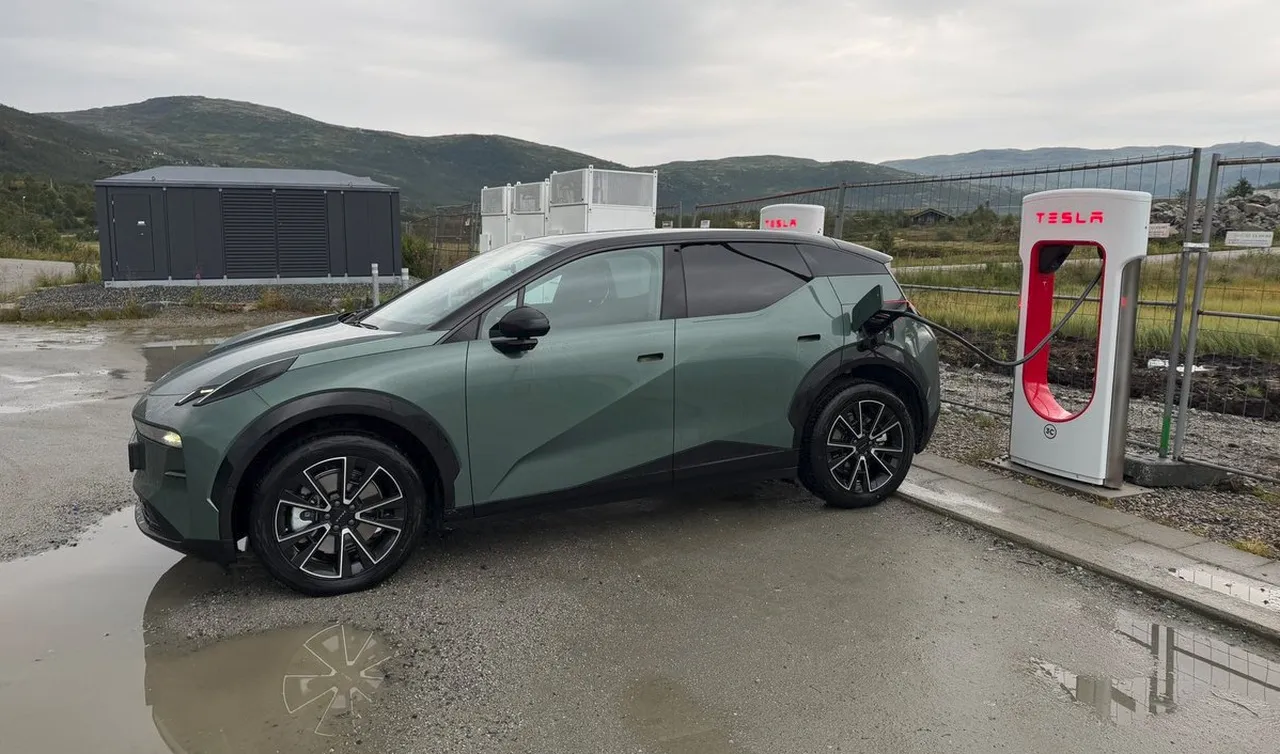
A few photos showing the charging of the Zeekr X (2026) model have appeared online. At a Supercharger, the car was able to reach higher speeds than those of Tesla models, which is great news for owners of electric vehicles with a 400 V architecture and large batteries. Examples include the BMW i7, Mercedes EQS, and Volvo EX90 (2024).
Zeekr X, the silent hero
Table of contents
Zeekr X, the silent hero
And why is this information important for owners of cars from other brands?
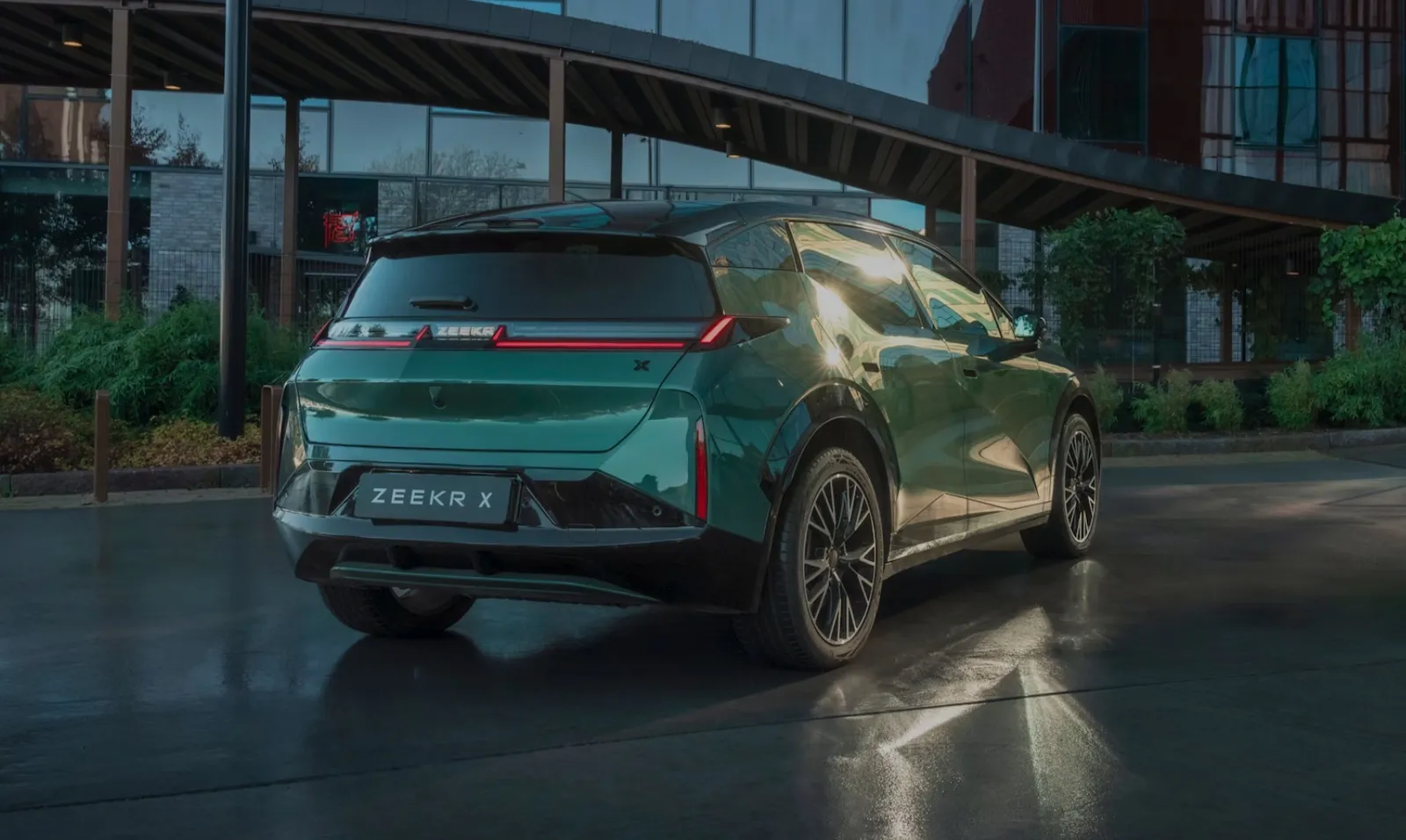
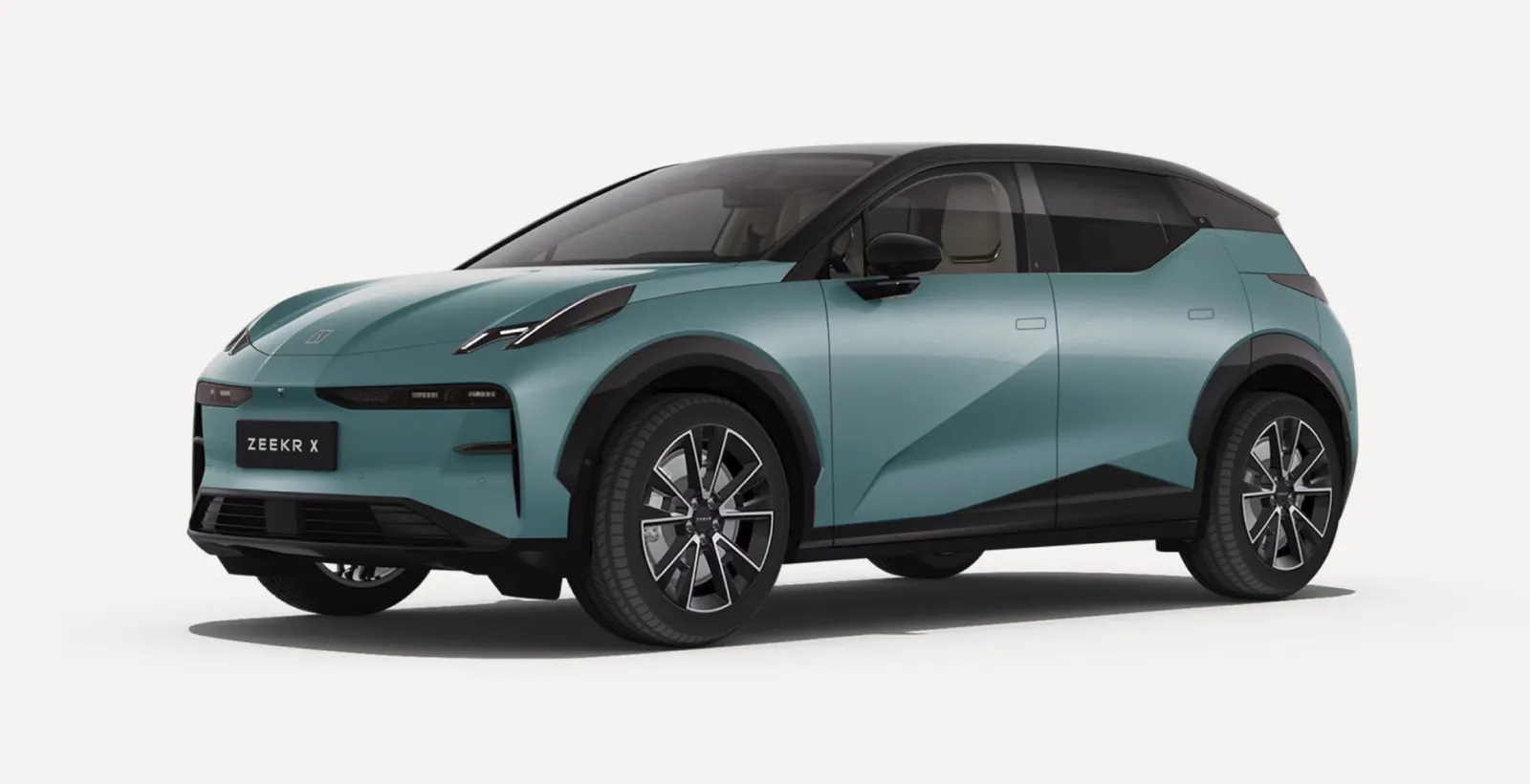
The Zeekr X belongs to the C-segment crossover category (4.45 meters long, 2.75 meters wheelbase), featuring a 400 V architecture, making it direct competition even with the Skoda Elroq we’ve discussed. The European version equipped with an LFP battery connected to a Supercharger can reach 257.2 kW of power output, which is higher than even the best Teslas. With chargers capable of delivering even higher currents, the Zeekr X achieved 264 or even 284 kW. Our vision that the 400 V architecture isn’t dead is slowly coming true…:
Charging better than a Tesla on a V3 Supercharger pic.twitter.com/DxRUvXCJVN
— William Jarbeaux (@RoamingNorway) August 13, 2026
Disadvantages? For an electric car to generate such high power (over 4.5 C, 4.5 times the capacity), it must have Li-ion batteries with “rare” electrodes that can accept or release massive amounts of lithium ions. “Rare” electrodes result in lower energy density, meaning a smaller battery capacity. This is exactly the case with the Zeekr X: either we choose the version with a CATL Li-NCM 66 (63) kWh battery, which stores more energy and provides better range but takes longer to charge—up to 30 minutes for 10 to 80 percent charging.
Or we opt for the LFP version, the Zeekr X 61 (~59) kWh model, which achieves higher power outputs and charges from 10 to 80 percent in 18 minutes thanks to the Golden Battery, but its range will be slightly lower.
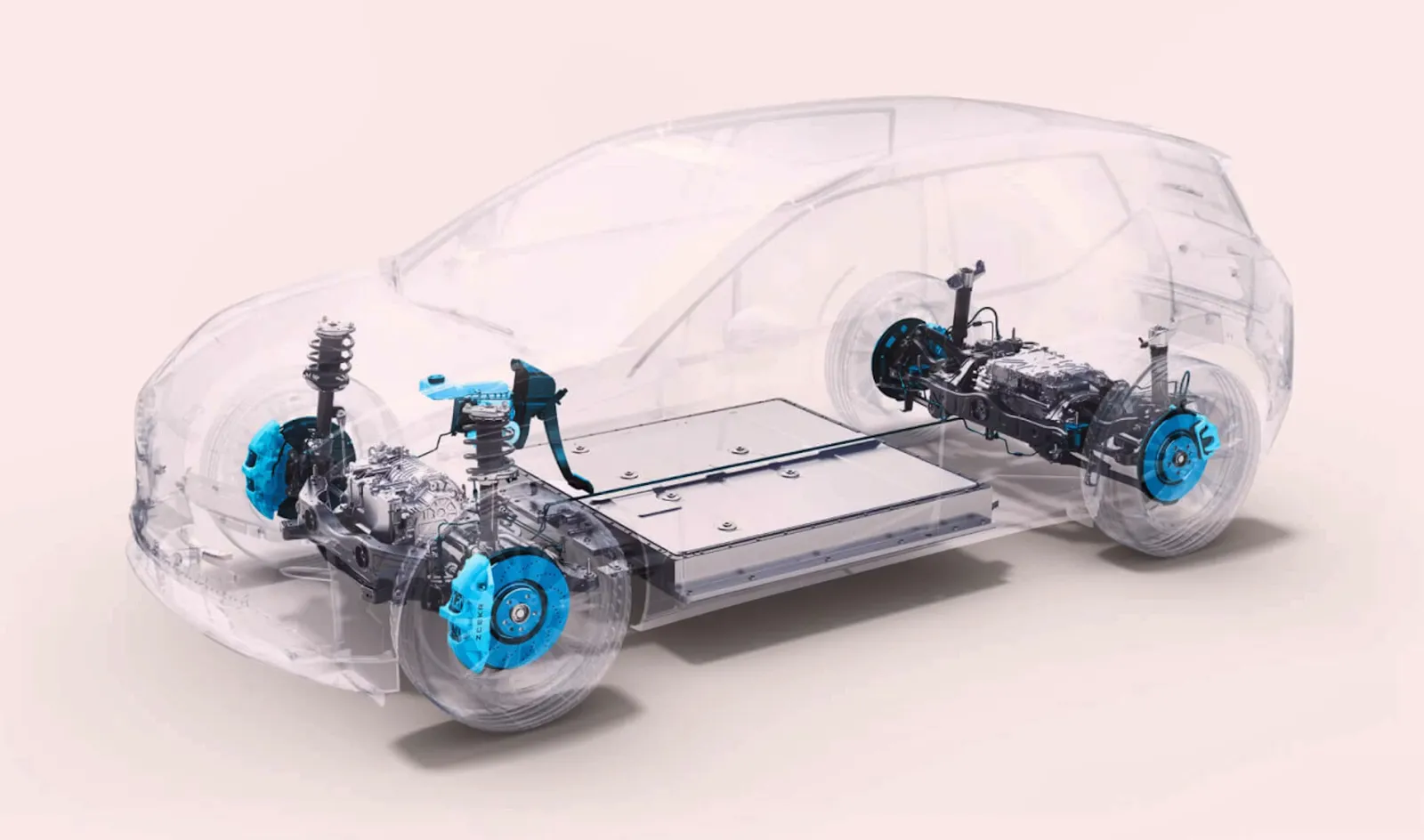
Zeekr has balanced both values fairly — they are similar because the LFP version has a rear-wheel drive system while the Li-NCM version has two motors, resulting in very comparable ranges (405 vs 415 WLTP units, just 240-250 km at 120 km/h). It must be admitted, however, that with a wheelbase of 2.75 meters, it could easily accommodate an 80 kWh battery pack, which would provide significantly more range per charge. The issue is that this might harm larger and more expensive models.
And why is this information important for owners of cars from other brands?
It’s simple: until now, Superchargers allowed currents exceeding 600 amperes only for Teslas. All other brands were limited to a maximum of 500 amperes, which is the value specified by the CCS2 connector standard. If the Zeekr X, with its 400 V architecture, could reach 257 kW, it means it was drawing at least 640 amperes from the charger. If the Zeekr X can do this, then Tesla must have updated its chargers to the latest version of the CCS2 specification.
Supercharger v3 delivering power of over 257 kW to the Zeekr X (c) William Jarbeaux / X
Other brands and models should also benefit from this, especially those with a 400 V architecture and batteries with capacities exceeding 100 kWh: BMW i7, Mercedes EQS, or the first-generation Volvo EX90. In the latter case, the improvement in charging speed can be particularly noticeable, as it is capable of drawing up to 670 amperes from a charger — though such devices were virtually non-existent in Europe until recently.
Editor’s note from Elektrowozu: Such chargers are now starting to appear.
Article rating
Reader ratings
[Total: 4 votes Average: 4.3]
Don’t miss new content — CLICK and FOLLOW Elektrowoz.pl on Google News. You might also be interested in the following ads: