
ZDK: High electricity tax hinders electric mobility
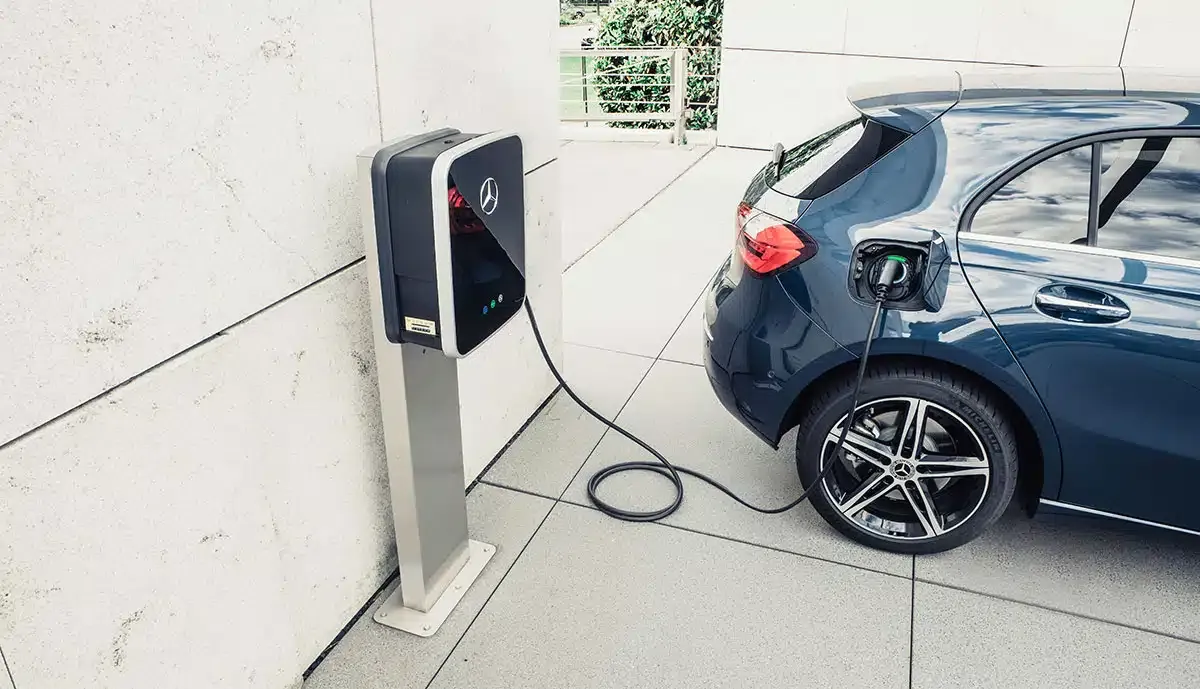
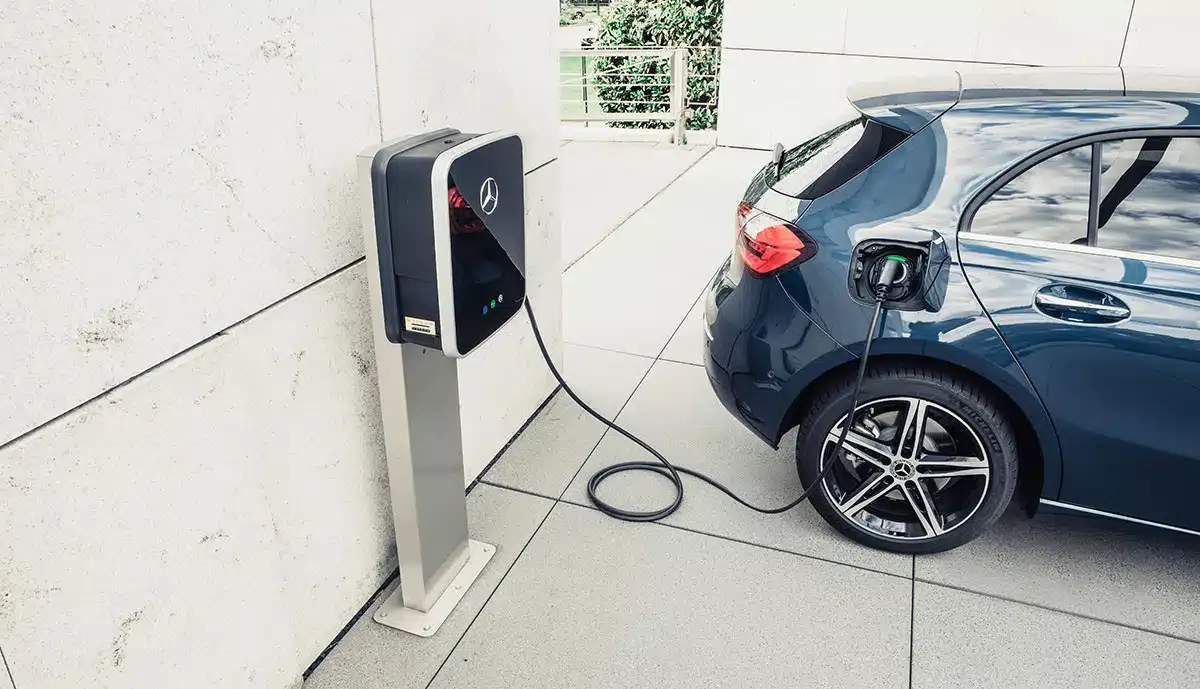
Image: Mercedes (illustrative)
The electricity tax must be reduced and should not become a “brake on electromobility,” according to the Central Association of the German Motor Vehicle Industry (ZDK). The ZDK warns against allowing higher taxation on electricity at the national level. Given the increasing electrification of transportation, this would send the wrong signal.
Through a letter to the European Commission, Germany’s Federal Finance Ministry is advocating at the EU level that member states retain some flexibility in taxing electricity going forward. This would allow Germany to impose taxes on electricity above the European minimum tax rate.
"Those who want electric mobility must also ensure that driving electric remains economically attractive for people. Therefore, electricity prices must not keep rising. If the cost advantage of driving an electric car over a gasoline vehicle shrinks due to increasing electricity costs, choosing an electric car becomes more difficult," says Jürgen Hasler, CEO of ZDK.
Electricity costs determine the attractiveness of electric cars
The ongoing energy costs are a crucial component of a vehicle’s total expenses. Current cost comparisons, according to the ZDK, also show how heavily the profitability of electric cars depends on electricity prices: As electricity costs rise, the cost advantage of electric vehicles over comparable internal combustion engines diminishes.
“For the automotive industry, it’s not just about the electricity bills of car dealerships and repair shops,” explains Hasler. “What matters is the vehicle market. Our businesses sell and service the vehicles that people will use in the future. If electricity as an energy source is taxed more heavily, the economic appeal of electric cars compared to conventional engines declines. This could slow down demand for electric vehicles.”
Hasler emphasizes that the European Commission explicitly wants to accelerate electrification, noting itself that the existing price gap between electricity and fossil fuels makes electrification more difficult. The economic conditions for electric vehicles should also be improved.
ZDK views developments against the backdrop of the coalition agreement with particular scrutiny. In that agreement, CDU, CSU, and SPD agreed to reduce the electricity tax for all businesses and consumers to the European minimum level. Hasler said, “Politics should consistently follow its own course. If electrifying transportation is desired, electricity and electric driving must remain competitive. Therefore, we need no debate about additional burdens, but rather reliable and affordable conditions for transforming mobility.”
ZDK therefore calls for abandoning additional burdens on electricity and reducing the electricity tax for all consumers to the European minimum level.
Also interesting
About the author
Thomas Langenbucher is an expert in electromobility with professional experience in the automotive industry and finance sector. Since 2011, he has been covering electric vehicles, sustainable technologies, and mobility solutions for ecomento.de. Learn more.
Reader interactions