
The 2035 rule is no longer a ban but a requirement to reduce emissions by 87.5 percent, provided the manufacturer uses appropriate steel (-7.5 percent).
The 2035 ban is being phased out gradually. First, a complete ban on selling polluting cars was replaced by a target to reduce carbon dioxide emissions by 95 percent, which is actually a huge concession. Now, the parties governing the European Parliament have agreed that the target could even be 87.5 percent, with an additional 7.5 percent off the 95 percent target achievable through low-emission steel production on the Old Continent.
The 2035 ban is becoming less stringent. And rightly so.
The 2035 ban was initially weakened in 2025, one to two years before the planned possible revision of the rules. This alone suggests that policymakers believed overly strict restrictions were not in their interest [and that ecology had to wait]. The original plan called for a 100 percent reduction in emissions, meaning only electric cars could be sold. The new target is now only “95 percent,” meaning 95 percent electric vehicles supplemented by 5 percent gasoline-powered cars operating under old rules. Volkswagen Group can therefore sell electric Volkswagens, Skodas, and Cupras, along with gasoline-powered Lamborghinis, some Audis, and Seats.
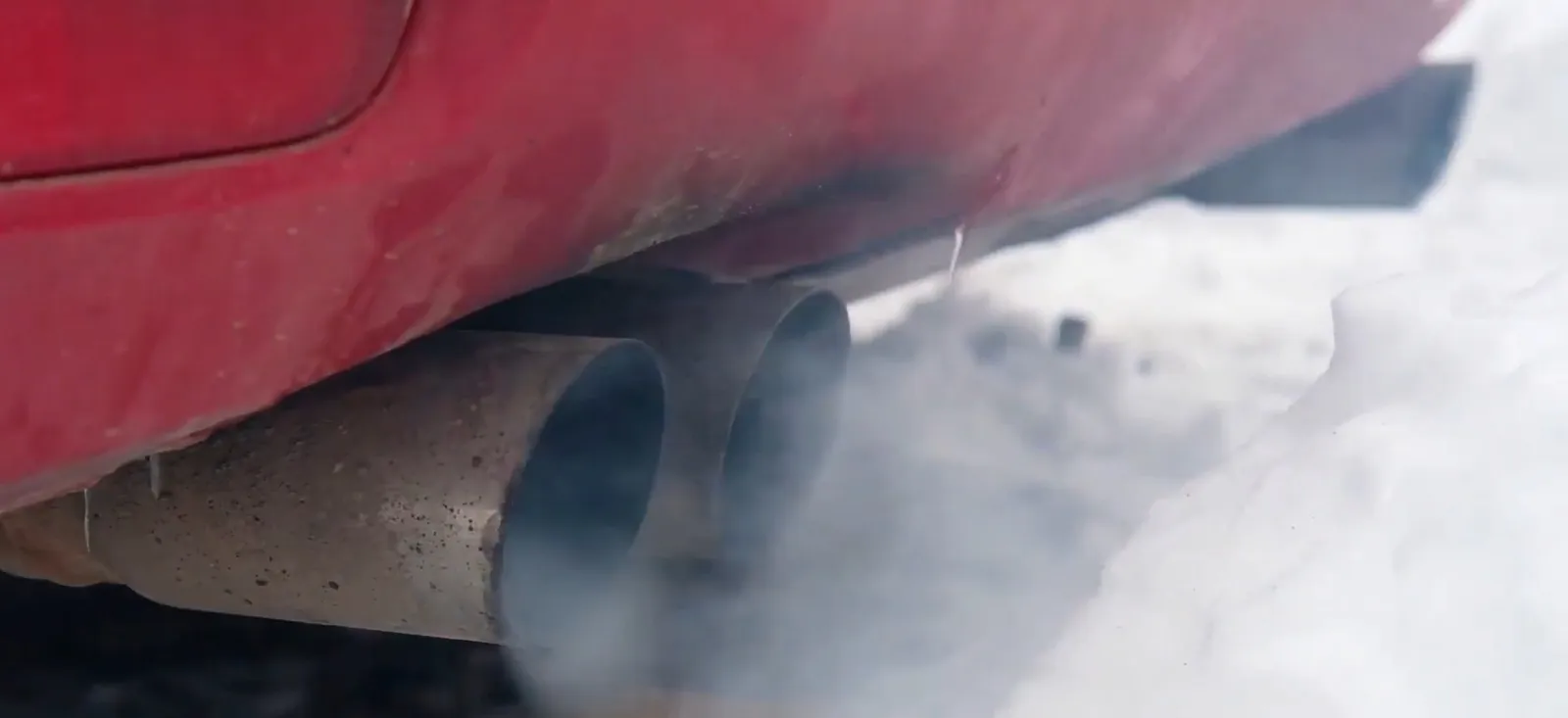
The seat has been so marginalized that it could only sell gasoline cars without threatening Volkswagen’s emissions levels; illustrative photo (c) Honest Mechanic Colorado / YouTube
The current agreement is even more interesting because it allows the manufacturer to claim an additional 7.5 percent reduction in emissions (->87.5 percent), as long as it uses low-emission steel from the European continent. In other words, the steel can provide real benefits, while the rest depends on the powertrains used. Let’s remember that we’re talking here about emissions at the company level and actual cars sold, not exhaust standards. This loophole is even larger than the original one and… that’s exactly how it was meant to be, seems to say one of the MEPs.
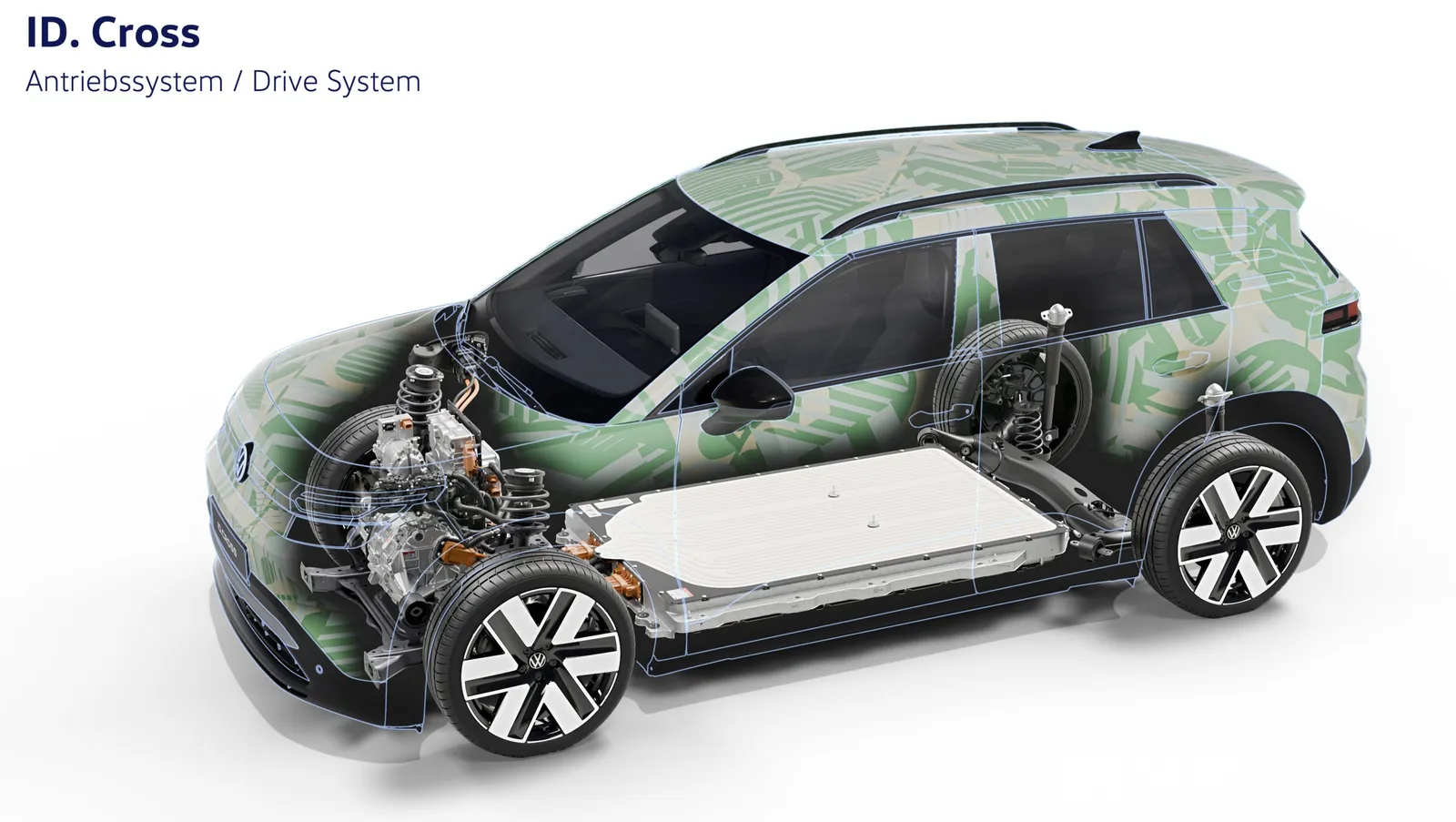
Electricians Will Facilitate the Sale of Internal Combustion Engines in the European Union
Of course: lowering the threshold to 95 or even 87.5 percent on paper doesn’t change much. But in reality, we’re seeing an increasingly open door for companies to exploit loopholes. If car manufacturers prove that batteries account for 30 percent of emissions, then producing them using renewable energy could allow the threshold to be reduced to, say, 55 percent (=85-30). After that, only aluminum, copper, and glass remain — and it will then be possible to sell old, technologically outdated cars at the price of new ones, since electric vehicles will offset all the remaining polluting cars.
The European Commission wanted to lower the threshold from 95% to 90%. Decisions regarding a threshold of 87.5% have not yet been approved as binding, but the latest trend seems clear: “We need to help European manufacturers because they are losing a huge source of income in China. The Chinese prefer electric vehicles.”
Editor’s note from Elektrowozu: We have been working for some time to fix issues and update our servers. It’s a delicate process, indeed
Article rating
Readers’ ratings
[Total: 2 votes Average: 2.5]
Don’t miss new content — CLICK and FOLLOW Elektrowoz.pl on Google News. You might also be interested in the following ads: