
Zagreb has put 62 electric buses into service.
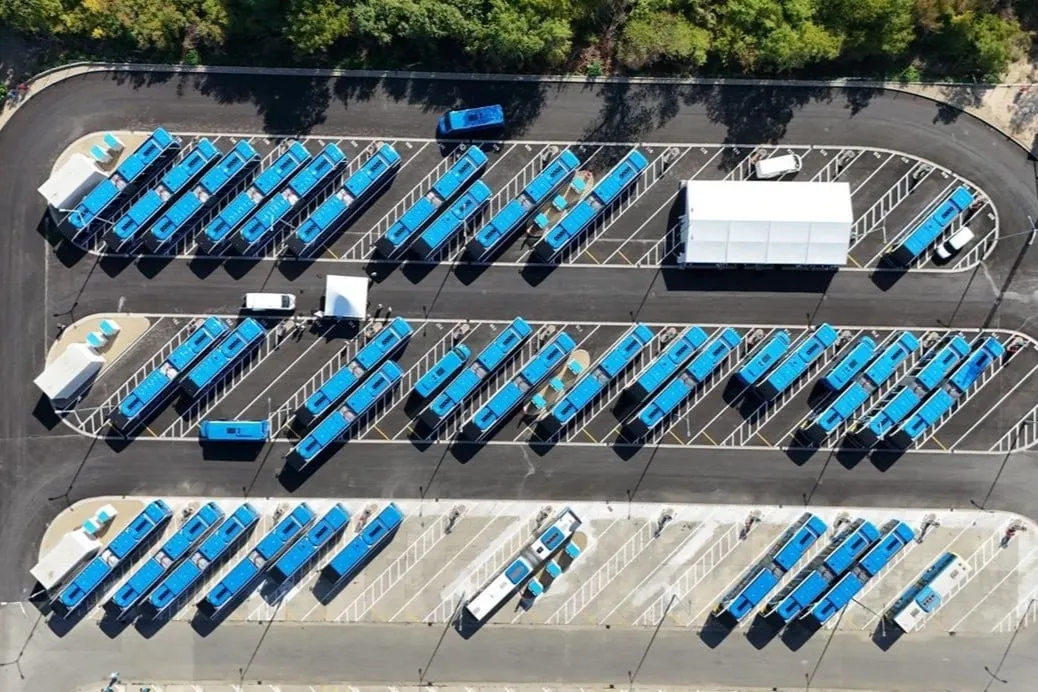
Zagreb, the capital of Croatia, has put into operation 62 electric buses from MAN and Iveco along with the necessary charging infrastructure. Specifically, the city’s public transport operator ZET acquired 30 electric single-decker buses, 26 electric articulated buses, and six electric midibuses, with total costs reaching nearly 56.8 million euros.
The acquisition of these vehicles is part of a larger plan by Zagreb to purchase 500 electric buses in total over ten years, thereby fully electrifying ZET’s fleet. After just two electric buses from the German manufacturer MAN were put into service last October, the 62 units acquired now represent a significantly larger effort and a true milestone.
Specifically, MAN has now put into service 30 single electric buses of the Lion’s City 12E model as well as 26 articulated electric buses of the Lion’s City 18E model. In addition, there are six Midi electric buses from Iveco equipped with a body built by the Serbian company Feniksbus. These are designated as Iveco Feniksbus FBI 83 ME. The expected range under optimal conditions is at least 500 kilometers for the single buses, 450 kilometers for the articulated buses, and 260 kilometers for the Midi buses. This allows the buses to operate throughout an entire workday without needing recharging, with charging taking place overnight at the new electric bus depot—more details on this later.
The total purchase price amounts to nearly 56.8 million euros. Of this, 45.4 million euros were provided through EU funds from the NRRP (National Reconstruction and Resilience Plan) in collaboration with the Ministry of Sea, Transport, and Infrastructure, while 11.4 million euros were funded from Zagreb City’s budget.
Zagreb now has 20 percent electric buses
Zagreb views this procurement as a crucial step toward modernizing public transportation and electrifying the ZET fleet. Zagreb’s mayor, Tomislav Tomašević, said, “The citizens of Zagreb will notice the new buses as early as Monday, as there are 62 vehicles in total. During peak hours under the schedule that takes effect with the start of school, around 300 buses are in operation daily. This means that with this move, one-fifth of the entire ZET bus fleet has been electrified — a truly significant advancement,” said Mayor Tomašević.
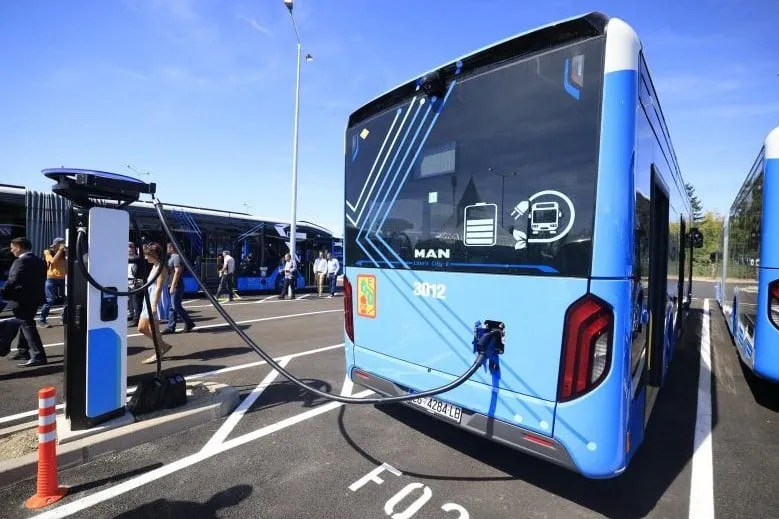
The new electric bus depot in the Podsused district in western Zagreb is a key component for expanding electromobility at ZET. There, 67 charging stations with two charging spots each were installed, resulting in a total capacity of 134 charging points. The combined power supply for the entire facility amounts to 3.5 megawatts.
The construction cost for the 8,500 square meter site exceeded 9.8 million euros. Of this amount, around 7.8 million euros were funded by the European Union through the National Recovery and Resilience Plan (NRRP), while 2 million euros came from Zagreb city’s budget.
"We will continue to push forward with the electrification of the ZET bus fleet. The Podsused location alone will not be sufficient; instead, two additional sites in Zagreb are needed to charge such a large number of buses. We are planning for the long term, and our goal is to electrify the entire ZET fleet within the next seven to eight years. This is just the beginning," added Mayor Tomašević.
The new electric buses are also designed for people with limited mobility and come equipped with air conditioning, modern safety systems, video surveillance, USB ports, as well as passenger counting systems. In addition to providing greater comfort, reliability, and safety for passengers, these electric vehicles help reduce noise and pollutant emissions while improving air quality in Zagreb.