
Yangwang U9 Xtreme: first production car over 500 km/h
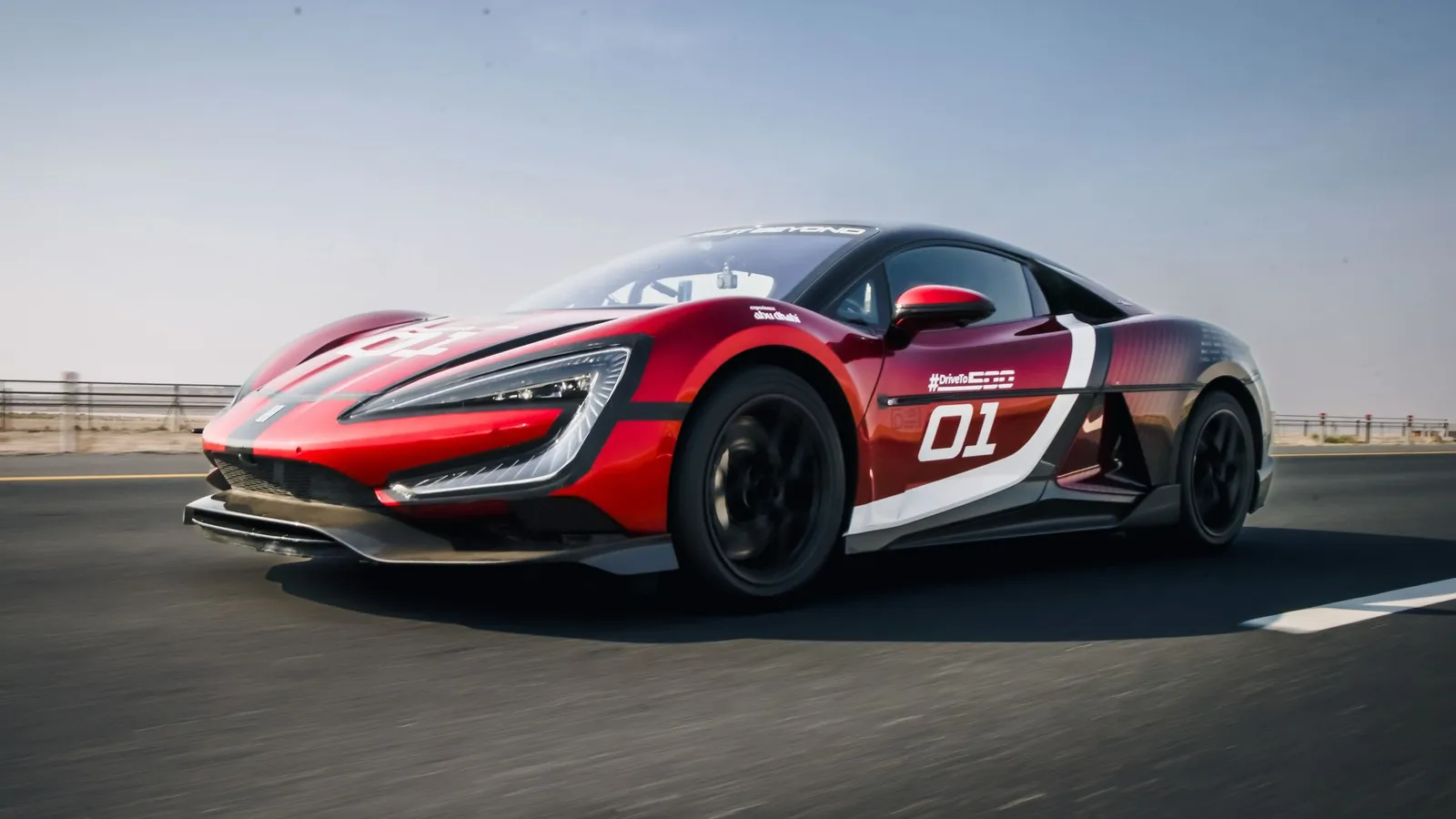
The Yangwang U9 Xtreme reached 503.17 km/h on a closed highway in the Emirate of Abu Dhabi, becoming the first production car to exceed 500 km/h according to the FIA. Guinness recognizes this speed as a record for a one-way journey.
Advertisement
In September 2025, the U9 Xtreme set a speed record for production vehicles at the ATP test site in Papenburg, reaching 496.22 km/h. For the next attempt, BYD’s luxury brand Yangwang switched the test track for a public road: on the Sheikh Khalifa Bin Zayed International Road (E11) in the Al Dhafra region of Abu Dhabi, the hypercar reached 503.17 km/h on November 1, 2026, nearly 7 km/h faster than a year earlier. Driving it, as in Papenburg, was the German sports car and long-distance racing driver Marc Basseng.
Two Days on the E11
According to BYD, the record drive was carried out in collaboration with local authorities. A 10-kilometer section of the E11 was closed, with the longest straight stretch for the high-speed tests measuring seven kilometers. Since the road is located near the desert and is normally used for regular traffic, the team swept it first. After that, every meter was inspected again to remove any wire remnants from the sweepers that could have posed a danger to the driver, the vehicle, or the tires.
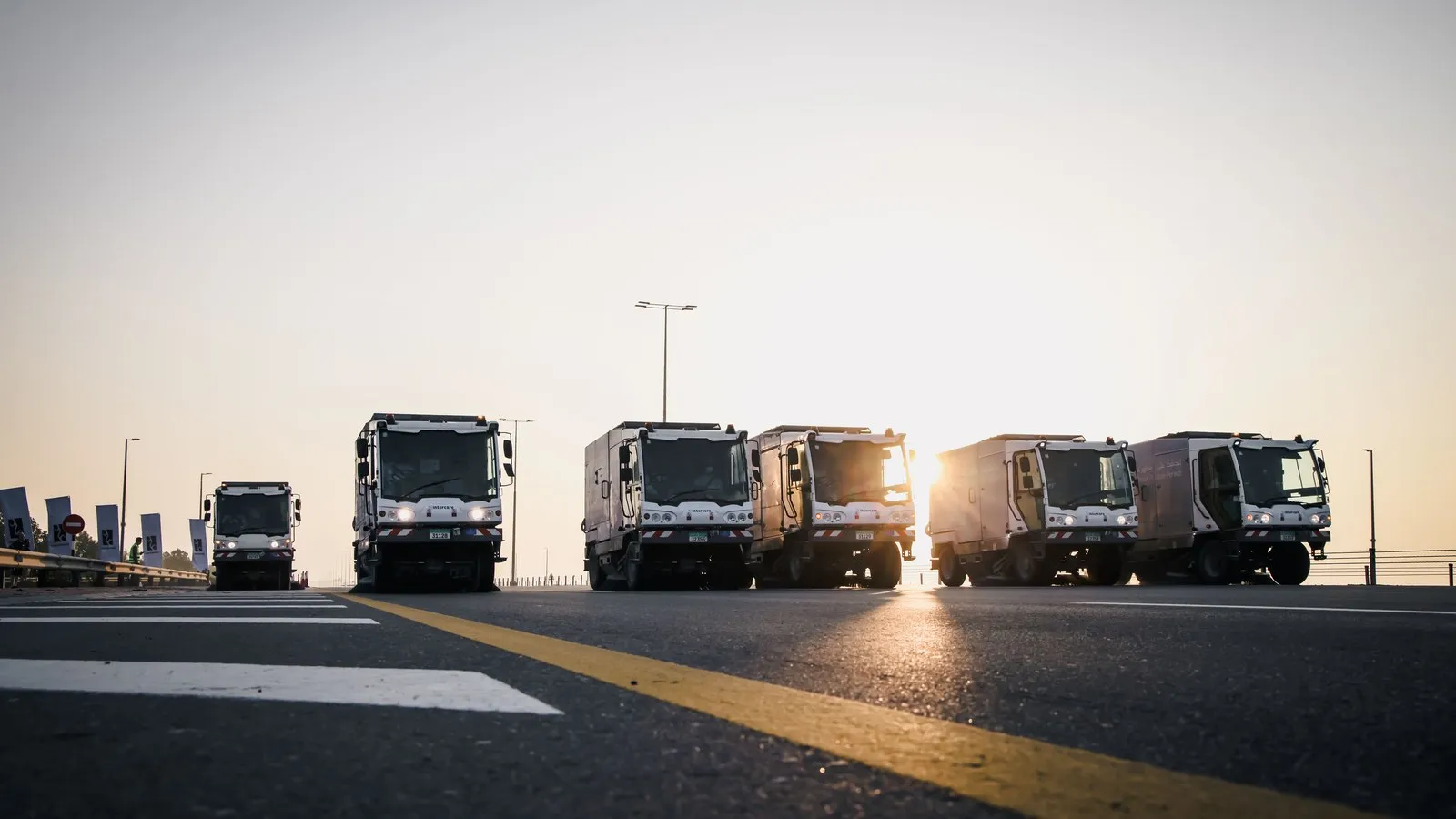
On October 31, the U9 Xtreme completed two runs, with the highest speed reaching 490 km/h. The following night, engineers made several adjustments according to Yangwang: the preparation before each run was modified so that the battery and engines reached the appropriate temperature at the start of each run. The angle of the rear wing was changed to generate more downforce on the rear axle. The suspension software received new settings for the damping force in response to uneven surfaces along specific sections of the track, and tire pressure was also adjusted. On November 1, two more runs were conducted, with the second one achieving 503.17 km/h.
Advertisement
Record Category and History
The speed was officially recognized by the international automobile federation FIA. Guinness World Records lists it in two categories: highest speed of a production car and highest speed of an electric production car, both for a one-way trip. Thus, the top speed of a single run was evaluated, rather than an average of the round trip, as required in some record categories to account for wind and gradients.
A series of high-speed tests preceded this. The regular U9 reached 309 km/h at Wuhan-Hannan Airport in China in January 2024 and 391.94 km/h in Papenburg in October 2024. The U9 Xtreme achieved 472.41 km/h on the same track in August 2025, and 496.22 km/h a month later. Additionally, according to the FIA, the U9 Xtreme holds the lap record for electric production cars on the Nürburgring-Nordschleife with a time of 6:59.157 minutes.
Powertrain and Battery: four motors and 1,200 volts
The U9 Xtreme is based on the regular Yangwang U9. For the Xtreme version, the four electric motors have been upgraded. According to Yangwang, they can rotate at up to 30,000 revolutions per minute, with each motor delivering 555 kW (755 horsepower). Yangwang claims a total power output of 3,019 horsepower, which is approximately 2,220 kW, and according to the manufacturer, this is more than double that of the regular U9. The manufacturer states that the power-to-weight ratio is 1,217 horsepower per ton, or around 895 kW per ton.
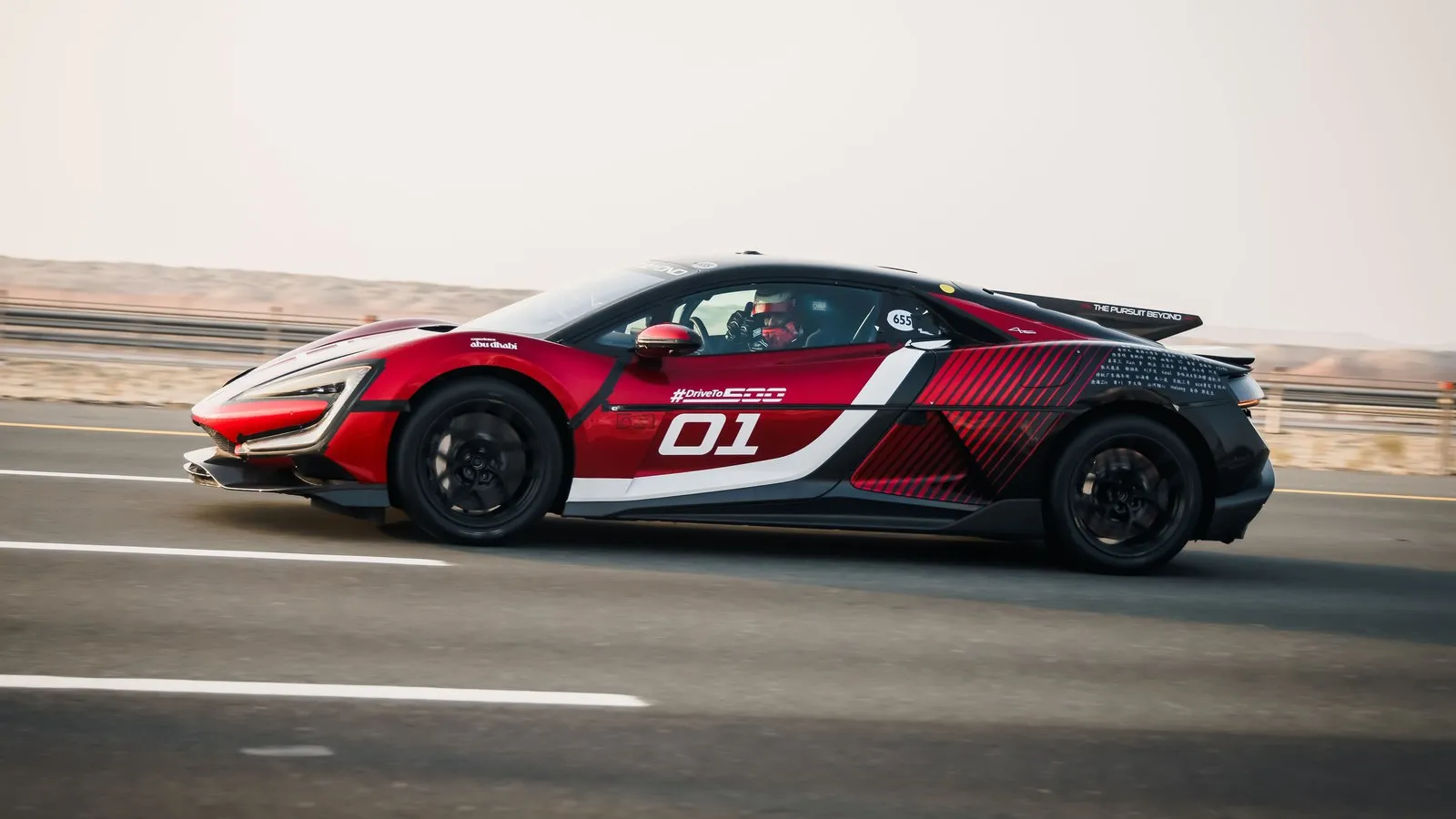
According to the manufacturer, the stator of the motors uses silicon steel that is 0.1 millimeters thinner, while the rotor features ultra-high-strength silicon steel with a strength of 970 Megapascals. The housings are made of aviation-grade aluminum. The e4 platform distributes torque to each wheel individually and adjusts it more than 100 times per second to prevent any wheel from spinning out of control.
BYD claims the U9 Xtreme is the first production model to use a 1,200-volt platform, whereas the regular U9 operates at 800 volts. At the same performance level, heat generation is said to be reduced by up to 67 percent compared to an 800-volt system.
According to BYD, just like every BYD model for over four years now, the U9 Xtreme also uses Blade cells with lithium-iron-phosphate chemistry (LFP). The power density per cell is 170 percent higher than in an 800-Volt system, allowing discharge rates of 30C. Theoretically, this means the battery could be fully discharged in two minutes. The maximum regenerative braking power is said to exceed 700 kW, which, per BYD, reduces the load on the mechanical brakes.
Suspension and Tires
The active suspension system DiSus-X uses electronically controlled two-valve dampers and can generate a force of up to 50 kilonewtons within 120 milliseconds. According to the manufacturer, it adjusts each corner of the vehicle individually, reducing pitching and rolling movements during acceleration and braking, and is designed to enable cornering without side tilt. According to Yangwang, the vehicle can lean into corners like a motorcycle, achieving up to 2.43 degrees at a lateral acceleration of 0.3 g.
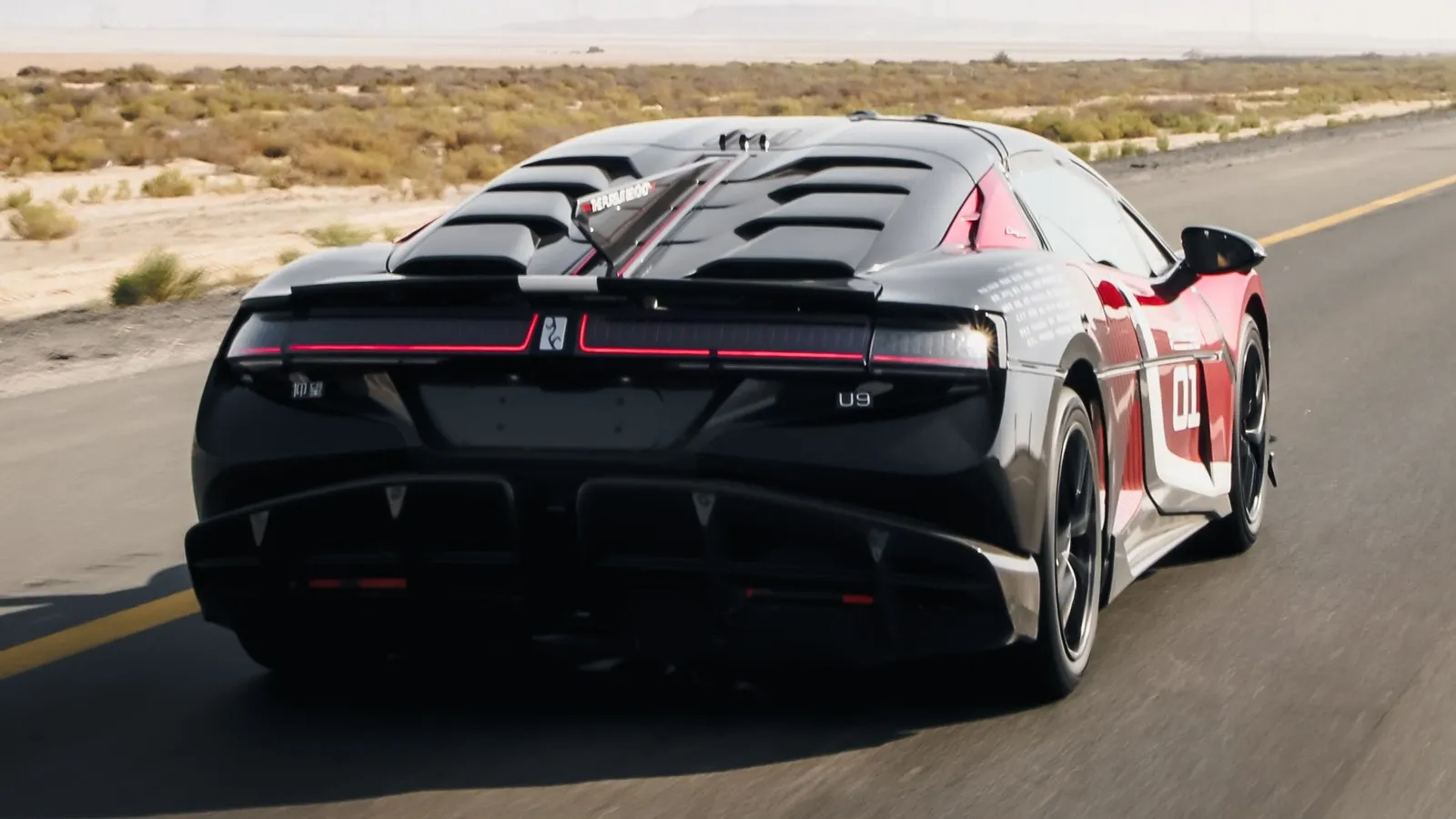
Yangwang developed the Semislick tires in collaboration with Giti Tire based on test data from Germany. A ribbed design at the connection between the tire and wheel, combined with a high-viscosity lubricant, is intended to reduce slip there during rapid acceleration or braking.
Limit of 30 units
Yangwang showcased the first U9 Xtreme built to series standards, named Dawn Moment, at Auto China 2026 in Beijing. Only 30 units worldwide are planned, customized to customer specifications. Some customers have already finalized their configurations according to BYD and are now in the contract signing and production planning phase.
What do you think? Are such record-breaking drives a reason for you to choose electric drives, or is top speed less important in electric cars?
Advertisement