
We have already spent 175,000,000 €: the subsidies from the Auto+ Plan could run out by the end of October.
18/09/2026 15:00
Updated to
18/09/2026 15:00
Purchasing an electric car with government assistance has turned into a race against time. The Auto+ Plan, the incentive program for buying electric vehicles that replaced the old MOVES programs, has already allocated just under 50% of the 350 million euros set aside for individuals, barely a month and a half after its application window opened. This figure explains why more and more buyers are rushing to submit their requests before the funds run out.
The data is important because the program’s design allocates funds on a first-come, first-served basis until the available budget is exhausted. Thus, the current spending rate directly determines how much longer the program for individuals will remain active and when it will be time to move on to the line designated for self-employed people and businesses, which is still pending launch. After 8 months of delay, government subsidies could run out much sooner than expected.
A spending rate that is accelerating month by month
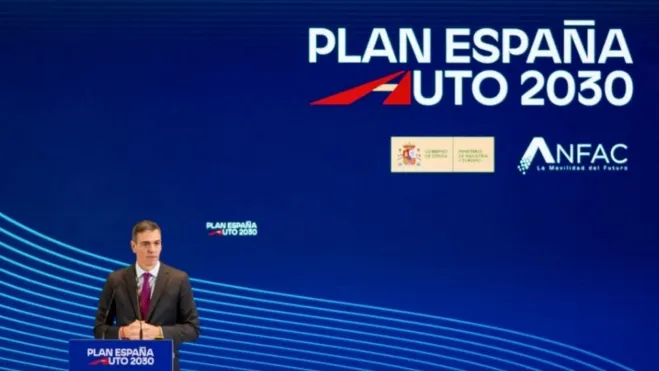
The application window for line 1, intended for individuals without economic activity, opened on August 4 with an initial allocation of 350 million euros. According to industry sources consulted, after the 28 days in August and the first nine days of September, the budget already utilized is around 50%. At this rate of spending, projections suggest that these incentives could be exhausted, at best, by the end of October.
The Auto+ Plan, part of the Auto 2030 plan and regulated by Royal Decree 609/2026, provides subsidies of up to 4,500 euros for electric vehicles for private individuals. For self-employed people and micro-enterprises, the amount rises to 6,000 euros per vehicle, and can reach 7,000 euros if the vehicle meets additional requirements funded by the Social Climate Fund. For N1 category vans, the subsidy amounts to 7,500 euros for self-employed people and micro-enterprises, with a maximum of 12,000 euros under the same climate financing criteria.
Line 2 is still in waiting

While the private sector line is progressing at a good pace, line 2, funded with 50 million euros and aimed at self-employed individuals and companies, has not yet opened for applications. It is expected to open by the end of September or early October. This second line is intended for both self-employed workers and legal entities, including microenterprises, SMEs, and large companies, who wish to renew their fleets or acquire an electric vehicle related to their business activities.
Vehicle limits by type of buyer
The program sets different limits depending on the applicant’s profile. Individuals can only apply for assistance for one vehicle, while self-employed individuals can apply for up to three cars related to their business registered with the Tax Agency. Companies, whether small and medium-sized or large corporations, can receive subsidies for up to ten vehicles, always within the limits of the available budget and the European minimum standards for public grants.
A program designed to last several years
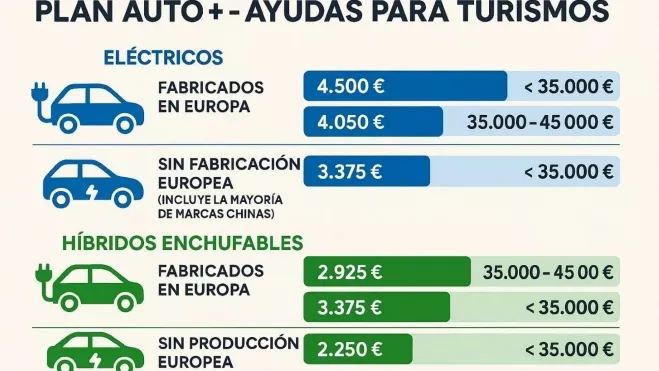
The Auto+ Plan is scheduled to be in effect until December 31, 2030, although each fiscal year will have its own call for applications and allocated budget. For 2026, the total funding amounts to 400 million euros, distributed among 350 million for Line 1 and 50 million for Line 2. The fact that Line 1 consumes its budget at this rate, combined with the months of retroactive funding already accumulated before the official start of applications, makes it clear that those considering purchasing an electric vehicle with this assistance should not delay their decision too long.
Source: Tribuna de la Automoción